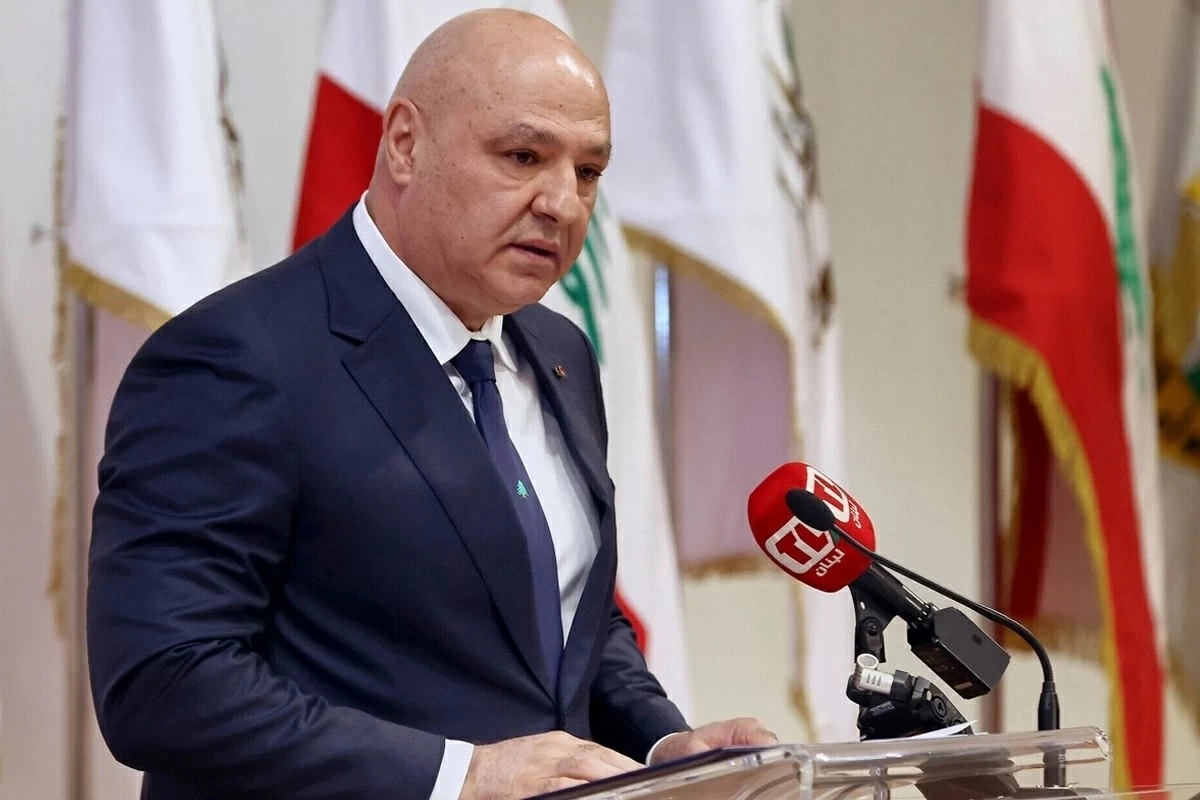
شدد الرئيس اللبناني جوزيف عون على أن وجود قوة الأمم المتحدة المؤقتة في لبنان (اليونيفيل) في الجنوب مهم ويساعد على تثبيت السكان في بلداتهم، موجهاً التحية للمبادرة النيابية والعريضة الداعية إلى التمديد لها.
ونقل بيان للرئاسة اللبنانية عن عون قوله خلال استقباله وفداً نيابياً، اليوم (الإثنين): إن وجود اليونيفيل في الجنوب مهم لنواحٍ عديدة، ويساعد على تثبيت السكان في قراهم وبلداتهم، وتعزيز الاستقرار بالتعاون والتنسيق مع الجيش اللبناني.
وأكد أن الخيار الأول هو التمديد لقوات اليونيفيل، وفي حال عدم التمديد لها، فالخيار الثاني هو اعتماد صيغة تضمن استمرار وجود قوات دولية في الجنوب، ضمن الإطار القانوني المطلوب، وبما تكون فيه هذه القوات إلى جانب الجيش اللبناني وبالتنسيق معه، دعماً للاستقرار وتنفيذ المهام الموكلة إليها.
وأشار عون إلى أن إسرائيل ترفض وجود قوات اليونيفيل وتضغط في هذا الاتجاه منذ نحو السنة، فيما نحن نطالب ببقائها، مؤكدا أن الفكرة الأساسية هي إحداث خرق يضمن استمرار الحضور الدولي في الجنوب، سواء من خلال التمديد لقوات اليونيفيل أو من خلال قوات دولية رديفة لها، بما يحافظ على الاستقرار ويعزز دور الدولة والجيش اللبناني.
وتضم قوة حفظ السلام في جنوب لبنان (اليونيفيل) نحو 7500 عنصر من نحو 50 دولة، وهي منتشرة منذ عام 1978. ولم يحل وجودها دون تجدد النزاعات، فقد شهد جنوب لبنان حروباً متتالية بين إسرائيل وحزب الله.
وقرر مجلس الأمن الدولي في أغسطس من العام الماضي وبضغط أمريكي، إنهاء ولاية اليونيفيل في 31 ديسمبر 2026.
وكان الأمين العام للأمم المتحدة أنطونيو غوتيريش قال إن هناك حاجة لوجود قوات حفظ سلام في لبنان بعد انتهاء التفويض الحالي، وهو مقترح من المرجح أن يواجه معارضة من الولايات المتحدة وإسرائيل. وطرح غوتيريش في يونيو ثلاثة خيارات تتراوح بين نشر نحو 2000 وأكثر من 5500 من أفراد الأمم المتحدة لمراقبة وقف إطلاق النار بين إسرائيل وحزب الله، ودعم القوات المسلحة اللبنانية.
وأعربت فرنسا وإيطاليا عن رغبتهما في تشكيل تحالف لمرحلة ما بعد اليونيفيل، بهدف تعزيز سيادة لبنان والحؤول دون تحول أراضيه إلى «موطئ قدم لتصعيد إقليمي».
The Lebanese President Joseph Aoun emphasized that the presence of the United Nations Interim Force in Lebanon (UNIFIL) in the south is important and helps stabilize the population in their towns, extending his greetings to the parliamentary initiative and the petition calling for its extension.
A statement from the Lebanese presidency quoted Aoun as saying during his reception of a parliamentary delegation today (Monday): The presence of UNIFIL in the south is important for many reasons, and it helps stabilize the population in their villages and towns, enhancing stability in cooperation and coordination with the Lebanese Army.
He confirmed that the first option is to extend the UNIFIL forces, and if it is not extended, the second option is to adopt a formula that ensures the continued presence of international forces in the south, within the required legal framework, and in a way that these forces are alongside the Lebanese Army and in coordination with it, supporting stability and carrying out the tasks assigned to them.
Aoun pointed out that Israel rejects the presence of UNIFIL forces and has been pressuring in this direction for about a year, while we are calling for their continued presence, emphasizing that the main idea is to create a breakthrough that ensures the continuation of international presence in the south, whether through the extension of UNIFIL forces or through additional international forces, in a way that maintains stability and enhances the role of the state and the Lebanese Army.
The peacekeeping force in southern Lebanon (UNIFIL) consists of about 7,500 personnel from around 50 countries and has been deployed since 1978. Its presence has not prevented the renewal of conflicts, as southern Lebanon has witnessed successive wars between Israel and Hezbollah.
The United Nations Security Council decided last August, under American pressure, to end UNIFIL's mandate on December 31, 2026.
The UN Secretary-General Antonio Guterres stated that there is a need for peacekeeping forces in Lebanon after the current mandate ends, a proposal likely to face opposition from the United States and Israel. Guterres proposed in June three options ranging from deploying about 2,000 to more than 5,500 UN personnel to monitor the ceasefire between Israel and Hezbollah, and to support the Lebanese Armed Forces.
France and Italy expressed their desire to form a coalition for the post-UNIFIL phase, aiming to enhance Lebanon's sovereignty and prevent its territory from becoming a "foothold for regional escalation."