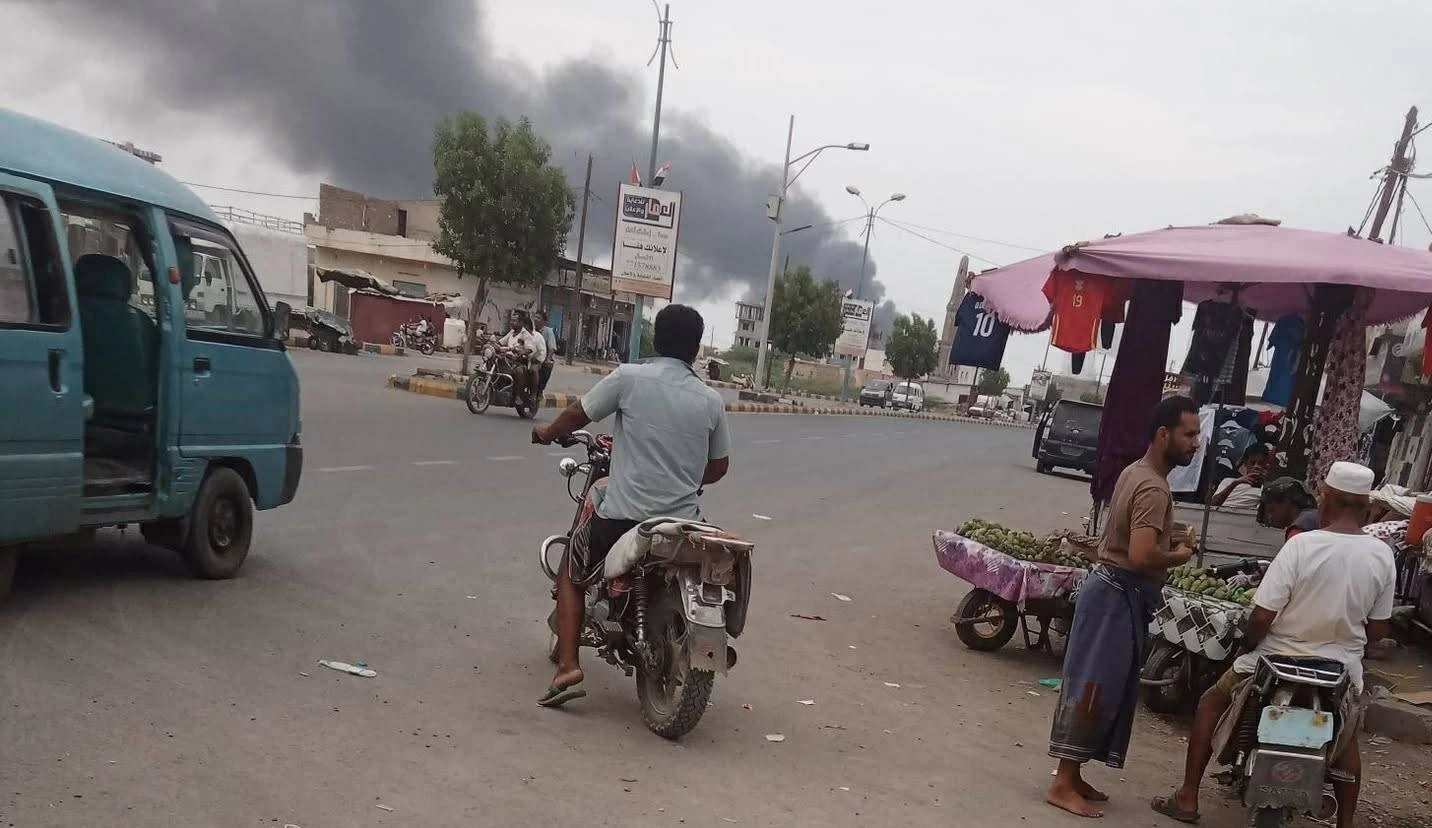
في خطوة تؤكد تورط الحوثيين في تجويع اليمنيين وحصارهم واستهداف مصادر تمويل الغذاء والدواء، أعلنت لجنة الإنقاذ الدولية (IRC) تعليق تحركات فرقها الميدانية مؤقتاً في الساحل الغربي، على خلفية الاستهدافات الحوثية للمدن المكتظة بالسكان وخصوصاً مدينة المخا ومحيطها.
وقالت اللجنة، في بيان، إن الإجراءات المؤقتة اتُّخذت لدواعٍ أمنية، في ظل التصعيد العسكري الذي تشهده المنطقة، مشيرة إلى أن خدمات الصحة والحماية الأساسية لا تزال متاحة في الساحل الغربي عبر المرافق الصحية التي تدعمها، فيما تستمر برامجها في المحافظات الأخرى كالمعتاد.
وأشارت إلى أن القيود على الحركة الميدانية تؤثر في قدرة فرقها على الوصول المباشر إلى المجتمعات المحتاجة وتنفيذ بعض الأنشطة الميدانية، لكنها لا تعني توقف البرامج والخدمات المقدمة للسكان.
وذكر البيان أن التصعيد يؤثر على وصول السكان إلى الخدمات الصحية، إذ يتغيب أطفال عن مواعيد التطعيمات الروتينية، فيما يتجنب بعض المرضى التوجه إلى المرافق الطبية خشية مغادرة منازلهم في ظل الوضع الأمني.
وقالت نائبة مدير البرامج في لجنة الإنقاذ الدولية في اليمن، جولي هيفنر، إن المرافق الصحية التي تدعمها اللجنة تمثل في كثير من الحالات المصدر الأقرب للرعاية الصحية للسكان في الساحل الغربي، محذرة من أن استمرار التصعيد قد يحرم النساء والأطفال والمرضى من الوصول إلى الخدمات التي يحتاجون إليها، مؤكدة أن العودة إلى حرب شاملة ستكون كارثية على اليمن، في ظل استمرار الحاجات الإنسانية الواسعة.
وأشارت إلى أن هناك أكثر من 22 مليون شخص يحتاجون إلى مساعدات إنسانية خلال العام الحالي، فيما يواجه نحو 18.3 مليون شخص انعداماً حاداً في الأمن الغذائي، داعية جميع أطراف النزاع إلى اتخاذ التدابير اللازمة لحماية المدنيين وضمان وصول المساعدات الإنسانية بصورة آمنة ودون عوائق، بغض النظر عن التغيرات في خطوط المواجهة.
وطالب البيان الجهات المانحة والمجتمع الدولي بزيادة التمويل والدعم الإنساني بصورة عاجلة، لضمان استمرار حصول السكان على الخدمات الأساسية التي يعتمدون عليها.
In a move that confirms the Houthis' involvement in starving and besieging Yemenis and targeting sources of food and medicine funding, the International Rescue Committee (IRC) announced the temporary suspension of its field teams' movements in the western coast, following Houthi attacks on densely populated cities, particularly the city of Al-Mokha and its surroundings.
The committee stated in a statement that the temporary measures were taken for security reasons, amid the military escalation in the region, noting that basic health and protection services are still available on the western coast through the health facilities it supports, while its programs in other governorates continue as usual.
It pointed out that the restrictions on field movement affect its teams' ability to directly reach the communities in need and implement some field activities, but this does not mean the cessation of programs and services provided to the population.
The statement mentioned that the escalation affects the population's access to health services, as children miss their routine vaccination appointments, while some patients avoid going to medical facilities for fear of leaving their homes given the security situation.
Julie Heavner, Deputy Director of Programs at the International Rescue Committee in Yemen, stated that the health facilities supported by the committee often represent the closest source of healthcare for the population on the western coast, warning that continued escalation could deprive women, children, and patients of access to the services they need, emphasizing that a return to full-scale war would be catastrophic for Yemen, amid ongoing widespread humanitarian needs.
She noted that more than 22 million people need humanitarian assistance this year, while about 18.3 million people face severe food insecurity, calling on all parties to the conflict to take necessary measures to protect civilians and ensure the safe and unhindered delivery of humanitarian aid, regardless of changes in front lines.
The statement urged donors and the international community to urgently increase humanitarian funding and support to ensure that the population continues to receive the essential services they rely on.