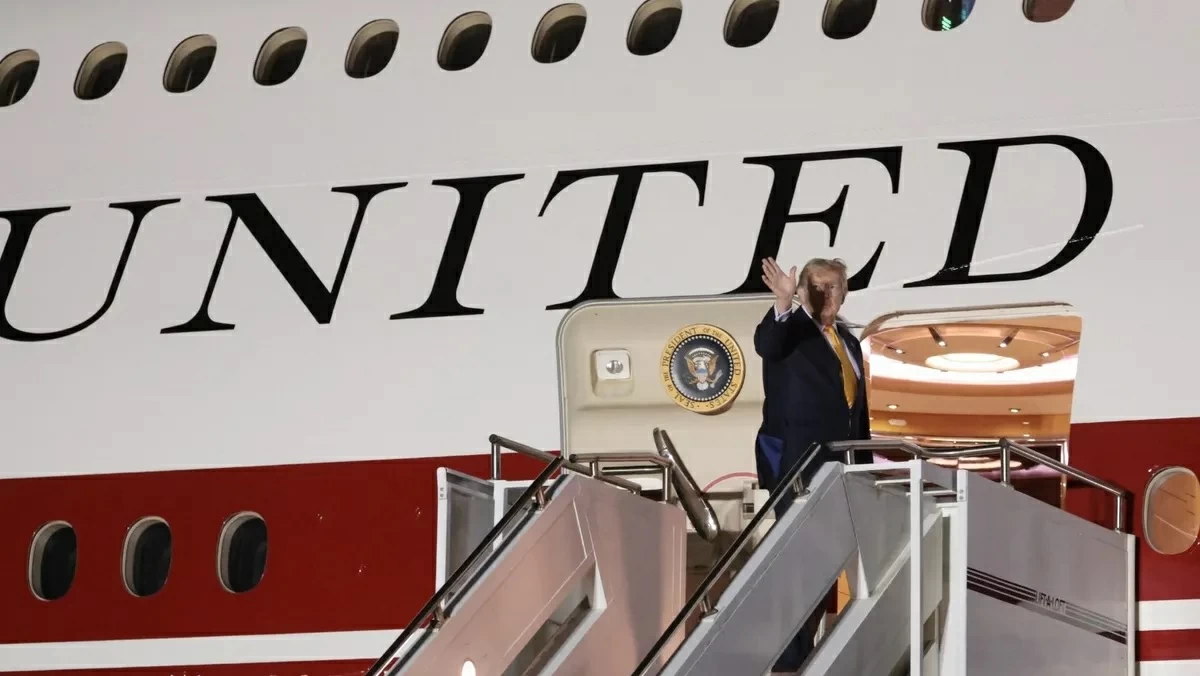
أكد الرئيس الأمريكي دونالد ترمب، اليوم (الثلاثاء)، أن إيران تعاني من فوضى اقتصادية. وكشف ترمب أن واشنطن لديها 3 إستراتيجيات للتعامل مع إيران تشمل: مراقبة مدى ضعفها، ضربها بشدة، والضغط الاقتصادي.
وأعلن أن الولايات المتحدة تسيطر على مضيق هرمز وأزالت منه الألغام الإيرانية. وأضاف للصحفيين في المكتب البيضاوي في البيت الأبيض، أمس (الإثنين)، أن الجهة الوحيدة المسيطرة حالياً على مضيق هرمز هي بحرية الولايات المتحدة... أزلنا الألغام من المضيق بأكمله.
وأشار إلى أن الولايات المتحدة ستطالب بتعويضات عن الأضرار التي تسببت بها إيران.
وطالب الرئيس الأمريكي في وقت سابق إيران بدفع تعويضات عن مقتل أشخاص قال إن طهران تسببت في مقتلهم في حروب وهجمات واحتجاجات، مما رفع حدة التصعيد الكلامي مع إيران في وقت تتلاشى فيه الآمال بالتوصل قريباً إلى اتفاق يسمح بفتح مضيق هرمز.
وقال ترمب إنه يعلق بذلك على مطالبة إيران لواشنطن في وقت سابق بتلبية شروط، من بينها تعويض طهران عن الأضرار التي لحقت بها خلال الحرب التي تشنها الولايات المتحدة وإسرائيل عليها منذ أكثر من خمسة أشهر.
وكتب على منصة «تروث سوشيال»: «أطالب بدوري إيران بتعويضات عن جميع الأشخاص الذين قتلتهم والذين ألحقت بهم إصابات بالغة من خلال عبواتها الناسفة على جوانب الطرق وفي العديد من الصراعات».
وأفاد بأنه سيدرج في جميع المفاوضات المستقبلية مع إيران، وسيتضمن مطالبات بدفع تعويضات لأسر مئات الآلاف من المحتجين الذين قال إن إيران قتلتهم.
وأشار إلى ضرورة أن تعوض إيران أسر الذين قتلوا على متن المدمرة الأمريكية (كول)، في إشارة إلى الهجوم الذي استهدف السفينة الحربية في اليمن في 12 أكتوبر عام 2000، وأودى بحياة 17 بحاراً أمريكياً، وهو هجوم منسوب إلى تنظيم القاعدة لا إلى إيران.
من جانبها، أعلنت إيران أنها تقترب من إبرام اتفاق نهائي مع سلطنة عمان لتحديد مسارات ملاحية جديدة عبر مضيق هرمز، لكنها كررت أن على الولايات المتحدة تلبية شروط أخرى، منها التعويضات وإنهاء العقوبات والتهديدات العسكرية، قبل فتح الممر المائي الإستراتيجي.
وأغلقت إيران المضيق فعلياً منذ بدء الحرب الأمريكية -الإسرائيلية عليها في 28 فبراير، مما أدى إلى ارتفاع أسعار النفط ومعدلات التضخم. وكان يمر عبر المضيق نحو 20% من إمدادات العالم من النفط والغاز الطبيعي المسال قبل الحرب.
U.S. President Donald Trump confirmed today (Tuesday) that Iran is suffering from economic chaos. Trump revealed that Washington has three strategies for dealing with Iran, which include: monitoring its weakness, hitting it hard, and economic pressure.
He announced that the United States controls the Strait of Hormuz and has removed Iranian mines from it. He added to reporters in the Oval Office at the White House yesterday (Monday) that the only entity currently controlling the Strait of Hormuz is the U.S. Navy... We have removed the mines from the entire strait.
He noted that the United States will demand compensation for the damages caused by Iran.
The U.S. president previously demanded that Iran pay compensation for the deaths of individuals he said Tehran caused in wars, attacks, and protests, escalating the verbal confrontation with Iran at a time when hopes for a soon-to-be-reached agreement allowing the opening of the Strait of Hormuz are fading.
Trump stated that he is commenting on Iran's earlier demand for Washington to meet conditions, including compensating Tehran for the damages it has suffered during the war waged against it by the United States and Israel for more than five months.
He wrote on the "Truth Social" platform: "I, in turn, demand that Iran compensate for all the people they have killed and those they have severely injured through their explosive devices on the sides of the roads and in many conflicts."
He indicated that he will include in all future negotiations with Iran demands for compensation for the families of hundreds of thousands of protesters whom he said Iran has killed.
He pointed out the necessity for Iran to compensate the families of those killed aboard the U.S. destroyer (Cole), referring to the attack that targeted the warship in Yemen on October 12, 2000, which resulted in the deaths of 17 American sailors, an attack attributed to al-Qaeda, not Iran.
For its part, Iran announced that it is nearing a final agreement with Oman to establish new shipping routes through the Strait of Hormuz, but reiterated that the United States must meet other conditions, including compensation, ending sanctions, and military threats, before opening the strategic waterway.
Iran has effectively closed the strait since the start of the U.S.-Israeli war against it on February 28, leading to rising oil prices and inflation rates. Before the war, about 20% of the world's oil and liquefied natural gas supplies passed through the strait.