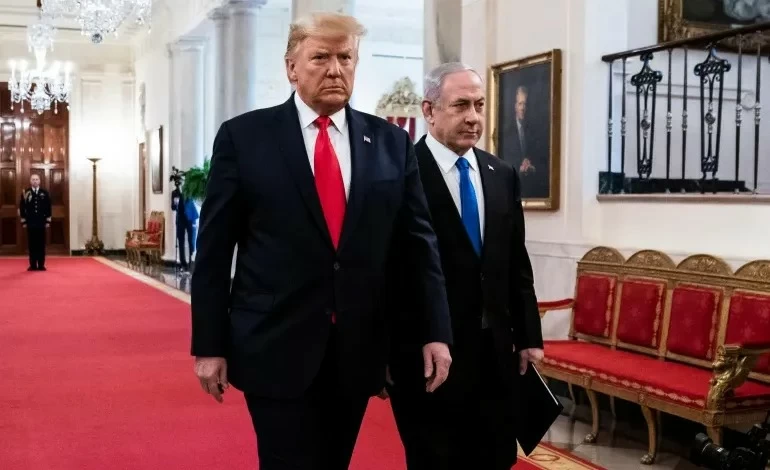
رأت شبكة CNN الأمريكية أن رئيس الوزراء الإسرائيلي بنيامين نتنياهو يواجه معضلة سياسية معقدة بشأن خطة الرئيس الأمريكي دونالد ترمب لإنهاء الحرب في غزة، معتبرة أنه قد يكون خلص إلى أن إغضاب ترمب يمثل أقل الخيارات سوءاً في ظل الضغوط التي يتعرض لها داخلياً.
وقالت الشبكة، في تحليل نشرته عقب إعلان نتنياهو رفض الانسحاب الإسرائيلي من قطاع غزة قبل التحقق من تخلي حماس فعلياً عن سلاحها، إن موقف رئيس الوزراء ينطوي على مخاطرة واضحة، لأنه قد يصطدم برغبة ترمب في تحقيق اختراق سريع في ملف غزة وإعلان نجاح خطته.
وكان نتنياهو أكد خلال اجتماع للحكومة الإسرائيلية، (الأحد)، أن إسرائيل لن تنسحب من غزة قبل ضمان نزع سلاح حماس، في موقف بدا متعارضاً مع التصور الأمريكي بشأن التزامن بين انسحاب القوات الإسرائيلية وعملية نزع سلاح الحركة.
وبحسب CNN، فإن المبعوث الخاص لمجلس السلام الأمريكي نيكولاي ملادينوف، أوضح أن عملية نزع السلاح يفترض أن تتم بالتزامن مع الانسحاب الإسرائيلي، من خلال عملية تدريجية تنسحب بموجبها القوات الإسرائيلية من مواقعها داخل القطاع بالتوازي مع تسليم حماس أسلحتها.
لماذا يخاطر نتنياهو بإغضاب ترمب؟
وتساءلت الشبكة عن الأسباب التي دفعت نتنياهو إلى تحدي موقف ترمب علناً، رغم العلاقة الوثيقة بين الرجلين، وما إذا كان رئيس الوزراء الإسرائيلي، الذي يوصف بأنه سياسي واستراتيجي محنك، لم يكن قادراً على إدارة الخلاف مع الإدارة الأمريكية بصورة أكثر هدوءاً.
وخلص تحليل CNN إلى أن الانتخابات الإسرائيلية القادمة تمثل أحد المفاتيح الأساسية لفهم موقف نتنياهو، مشيراً إلى أن موعد الانتخابات العامة لم يعد بعيداً، وأن استطلاعات الرأي لا تزال تضع نتنياهو في موقف صعب، ما يدفعه إلى توجيه حساباته السياسية نحو الناخب الإسرائيلي وحلفائه المحتملين في الائتلاف القادم.
وفي النظام السياسي الإسرائيلي، يحتاج رئيس الوزراء إلى تشكيل ائتلاف من عدة أحزاب لضمان أغلبية برلمانية تمكنه من البقاء في السلطة، وهو ما يجعل مواقف الأحزاب اليمينية المتطرفة ذات أهمية كبيرة بالنسبة إلى نتنياهو.
وترى CNN أن نتنياهو يحتاج إلى الحفاظ على دعم حلفائه من اليمين المتطرف، الذين انتقدوا خريطة الطريق الأمريكية بشأن غزة ودعوا إلى إلغاء قرار سابق للحكومة الإسرائيلية يتعلق بنشر قوة دولية لتحقيق الاستقرار في القطاع.
ضغوط من اليمين.. وحسابات داخلية
ولفتت الشبكة إلى أن انتقادات اليمين الإسرائيلي لم تقتصر على الخطة الأمريكية، إذ أوردت تقارير أن نتنياهو وافق سراً على بدء أعمال إعادة الإعمار في منطقة تجريبية صغيرة داخل غزة، في خطوة قد تضعه في مواجهة مزيد من الانتقادات من شركائه اليمينيين الذين يعارضون أي مسار قد يؤدي إلى إنهاء الحرب أو تقليص الوجود العسكري الإسرائيلي في القطاع.
لكن CNN حذرت في الوقت نفسه من اختزال موقف نتنياهو في مجرد محاولة لإرضاء اليمين المتطرف، مشيرة إلى أن قطاعات واسعة من الناخبين الإسرائيليين، رغم تأييدهم لترمب والعلاقة الوثيقة مع الولايات المتحدة، لا يوافقون بالضرورة على أي تصور يفرض قيوداً على حرية إسرائيل في التحرك داخل غزة.
وبذلك، يبدو نتنياهو عالقاً بين ضغوط متعارضة: رئيس أمريكي يريد تحويل خطته بشأن غزة إلى إنجاز سياسي، وحلفاء إسرائيليون يرفضون تقديم تنازلات، وناخبون يستعدون لانتخابات قد تحدد مستقبله السياسي.
وفي المقابل، فإن أي مواجهة علنية مع ترمب تحمل مخاطر خاصة بالنسبة إلى نتنياهو، نظراً إلى الدعم السياسي والعسكري الذي قدمته الإدارة الأمريكية لإسرائيل خلال الحرب، وكذلك الدور الذي يمكن أن تلعبه واشنطن في أي ترتيبات مقبلة بشأن غزة.
ترمب أمام اختبار جديد
ويأتي الخلاف في وقت يسعى فيه ترمب إلى الدفع بخطته لإنهاء الحرب في غزة وتحويلها إلى تسوية سياسية وأمنية أوسع، في وقت تواجه فيه الخطة اختباراً صعباً يتمثل في آليات نزع سلاح حماس، وانسحاب القوات الإسرائيلية، وترتيبات الأمن وإعادة الإعمار في القطاع.
ويضع رفض نتنياهو الانسحاب قبل التحقق من نزع سلاح حماس الخطة أمام اختبار حقيقي، خصوصاً إذا تمسك كل طرف بتفسير مختلف لترتيب الخطوات وتوقيتها.
The American CNN network observed that Israeli Prime Minister Benjamin Netanyahu is facing a complex political dilemma regarding U.S. President Donald Trump's plan to end the war in Gaza, considering that he may have concluded that angering Trump represents the least bad option given the pressures he is facing internally.
The network stated, in an analysis published after Netanyahu announced his rejection of an Israeli withdrawal from the Gaza Strip before verifying Hamas's actual abandonment of its weapons, that the Prime Minister's position involves a clear risk, as it may clash with Trump's desire to achieve a quick breakthrough in the Gaza file and announce the success of his plan.
Netanyahu confirmed during a meeting of the Israeli government on Sunday that Israel would not withdraw from Gaza before ensuring the disarmament of Hamas, a position that seemed to contradict the American perception regarding the synchronization between the withdrawal of Israeli forces and the disarmament process of the movement.
According to CNN, the U.S. Special Envoy for Peace, Nikolai Mladenov, clarified that the disarmament process is supposed to occur simultaneously with the Israeli withdrawal, through a gradual process whereby Israeli forces withdraw from their positions inside the strip in parallel with Hamas handing over its weapons.
Why is Netanyahu risking angering Trump?
The network questioned the reasons that led Netanyahu to publicly challenge Trump's position, despite the close relationship between the two men, and whether the Israeli Prime Minister, who is described as a seasoned politician and strategist, was unable to manage the disagreement with the U.S. administration in a calmer manner.
CNN's analysis concluded that the upcoming Israeli elections represent one of the key factors in understanding Netanyahu's position, noting that the date of the general elections is not far off, and that opinion polls still place Netanyahu in a difficult position, pushing him to direct his political calculations towards the Israeli voter and potential allies in the upcoming coalition.
In the Israeli political system, the Prime Minister needs to form a coalition of several parties to ensure a parliamentary majority that enables him to remain in power, which makes the positions of far-right parties very important for Netanyahu.
CNN believes that Netanyahu needs to maintain the support of his far-right allies, who criticized the American roadmap regarding Gaza and called for the cancellation of a previous government decision related to deploying an international force to stabilize the strip.
Pressure from the right... and internal calculations
The network pointed out that the criticisms from the Israeli right were not limited to the American plan, as reports indicated that Netanyahu secretly agreed to begin reconstruction efforts in a small trial area within Gaza, a step that could put him in the face of further criticism from his right-wing partners who oppose any path that could lead to ending the war or reducing the Israeli military presence in the strip.
However, CNN simultaneously warned against reducing Netanyahu's position to merely an attempt to appease the far-right, noting that large segments of Israeli voters, despite their support for Trump and the close relationship with the United States, do not necessarily agree with any vision that imposes restrictions on Israel's freedom to act within Gaza.
Thus, Netanyahu appears trapped between conflicting pressures: an American President who wants to turn his plan regarding Gaza into a political achievement, Israeli allies who refuse to make concessions, and voters preparing for elections that could determine his political future.
In contrast, any public confrontation with Trump carries specific risks for Netanyahu, given the political and military support that the U.S. administration has provided to Israel during the war, as well as the role that Washington could play in any upcoming arrangements regarding Gaza.
Trump facing a new test
The disagreement comes at a time when Trump is seeking to push his plan to end the war in Gaza and transform it into a broader political and security settlement, while the plan faces a difficult test represented by the mechanisms for disarming Hamas, the withdrawal of Israeli forces, and the security and reconstruction arrangements in the strip.
Netanyahu's refusal to withdraw before verifying Hamas's disarmament places the plan before a real test, especially if each party insists on a different interpretation of the sequence of steps and their timing.