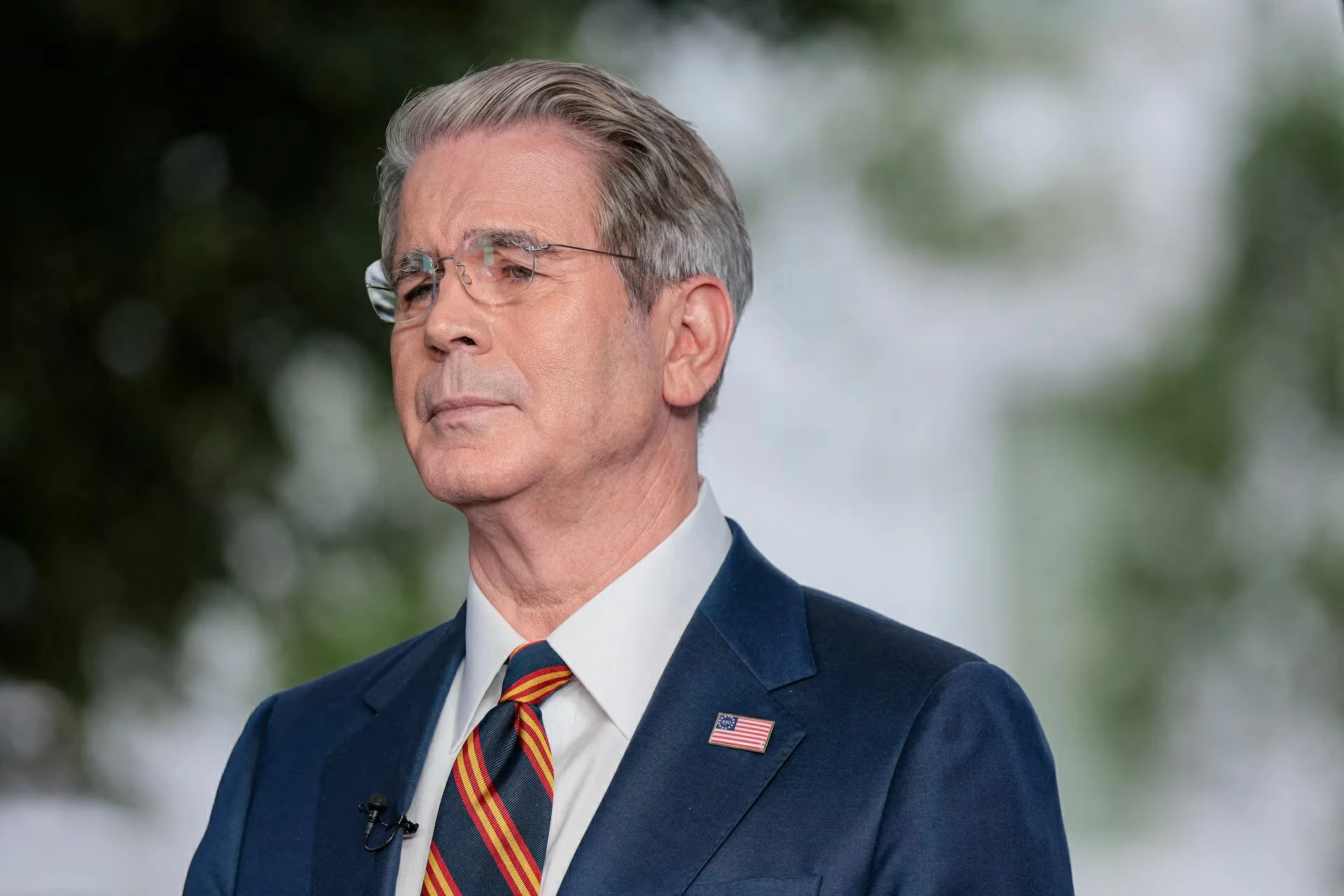
توقّع وزير الخزانة الأمريكي سكوت بيسنت أن يفقد مضيق هرمز أهميته خلال العامين القادمين. وقال في مقابلة مع قناة 12News الأمريكية: إن من 50 إلى 70% من الطاقة التي تعبر عبر المضيق حالياً ستُنقل عبر خطوط أنابيب تحت الأرض.
وكانت إدارة الرئيس الأمريكي دونالد ترمب، أكدت مراراً في الأسابيع القليلة الماضية أن اتفاقاً لفتح المضيق قد يكون وشيكاً، قبل أن تنفي إيران إجراء محادثات. ولم يتضح ما إذا كانت سلسلة المفاوضات الأحدث ستؤدي إلى ترتيب أكثر استدامة.
ويُعد مضيق هرمز ممراً لنحو خُمس صادرات النفط والغاز العالمية، وعندما أغلقته إيران عقب الضربات الأمريكية والإسرائيلية في فبراير الماضي، تقطّعت السبل بمئات ناقلات النفط، ما أدى إلى اضطرابات واسعة في إمدادات الطاقة العالمية.
وشدد نائب الرئيس الأمريكي جيه دي فانس، السبت، على أن واشنطن ستواصل الضغط على إيران، معتبراً أن «الإيرانيين يتألمون ويريدون إنهاء الأمر».
وأوضح فانس أن واشنطن تعمل على «وضع مسار يسمح بمرور السفن بأمان عبر مضيق هرمز»، مضيفاً: «إيران أبلغتنا بأنها ستسمح بأقصى حد لتدفق النفط عبر هرمز لكن لا نثق بها». وتابع نائب الرئيس الأمريكي: «خطتنا تشمل التزام إيران بعدم إطلاق النار على السفن التجارية».
وأعرب عن أمله أن تُفضي المفاوضات مع إيران إلى عودة إمدادات الطاقة عبر مضيق هرمز إلى مستويات ما قبل الحرب.
ورداً على سؤال حول الوضع الراهن لمضيق هرمز في حال التوصل إلى اتفاق، قال فانس على قناة «فوكس نيوز»: «نتوقع أن نشهد تدفق نفس كمية النفط والغاز من منطقة الخليج كما كانت قبل النزاع. وقد أبلغتنا إيران بنيتها القيام بذلك. وهذا ما يريده التحالف الدولي في الخليج».
وقال مصدر إيراني كبير ومسؤولان لرويترز الأربعاء الماضي إن اتفاقاً مقترحاً بين إيران وسلطنة عمان، للمساعدة في إنهاء الحرب الدائرة منذ خمسة أشهر بين طهران والولايات المتحدة، من شأنه منح طهران التحكم في السفن التي تدخل الخليج عبر مضيق هرمز، في أحد أكبر التنازلات المقدمة لإيران حتى الآن.
لكن المسؤولين الأمريكيين يصرون على أنهم لن يوافقوا أبداً على أن تسيطر إيران على حركة الملاحة في أهم ممر تجاري في العالم لإمدادات الطاقة. ولم يتضح ما إذا كانوا قد سعوا إلى تغيير شروط الاتفاق.
U.S. Treasury Secretary Scott Piesen expects the Strait of Hormuz to lose its significance over the next two years. In an interview with 12News, he stated that between 50 to 70% of the energy currently passing through the strait will be transported via underground pipelines.
The administration of U.S. President Donald Trump has repeatedly confirmed in recent weeks that an agreement to open the strait may be imminent, before Iran denied conducting talks. It remains unclear whether the latest series of negotiations will lead to a more sustainable arrangement.
The Strait of Hormuz is a passage for about one-fifth of global oil and gas exports, and when Iran closed it following U.S. and Israeli strikes last February, hundreds of oil tankers were stranded, leading to widespread disruptions in global energy supplies.
U.S. Vice President J.D. Vance emphasized on Saturday that Washington will continue to pressure Iran, considering that "the Iranians are in pain and want to end this."
Vance explained that Washington is working on "establishing a path that allows ships to pass safely through the Strait of Hormuz," adding, "Iran has informed us that it will allow maximum oil flow through Hormuz, but we do not trust them." The U.S. Vice President continued, "Our plan includes Iran's commitment not to fire on commercial vessels."
He expressed hope that negotiations with Iran would lead to a return of energy supplies through the Strait of Hormuz to pre-war levels.
In response to a question about the current situation in the Strait of Hormuz if an agreement is reached, Vance said on Fox News: "We expect to see the same amount of oil and gas flowing from the Gulf region as before the conflict. Iran has informed us of its intention to do so. This is what the international coalition in the Gulf wants."
A senior Iranian source and two officials told Reuters last Wednesday that a proposed agreement between Iran and Oman, aimed at helping to end the five-month war between Tehran and the United States, would grant Iran control over ships entering the Gulf through the Strait of Hormuz, marking one of the largest concessions made to Iran so far.
However, U.S. officials insist that they will never agree to Iran controlling navigation in the world's most important trade route for energy supplies. It remains unclear whether they have sought to change the terms of the agreement.