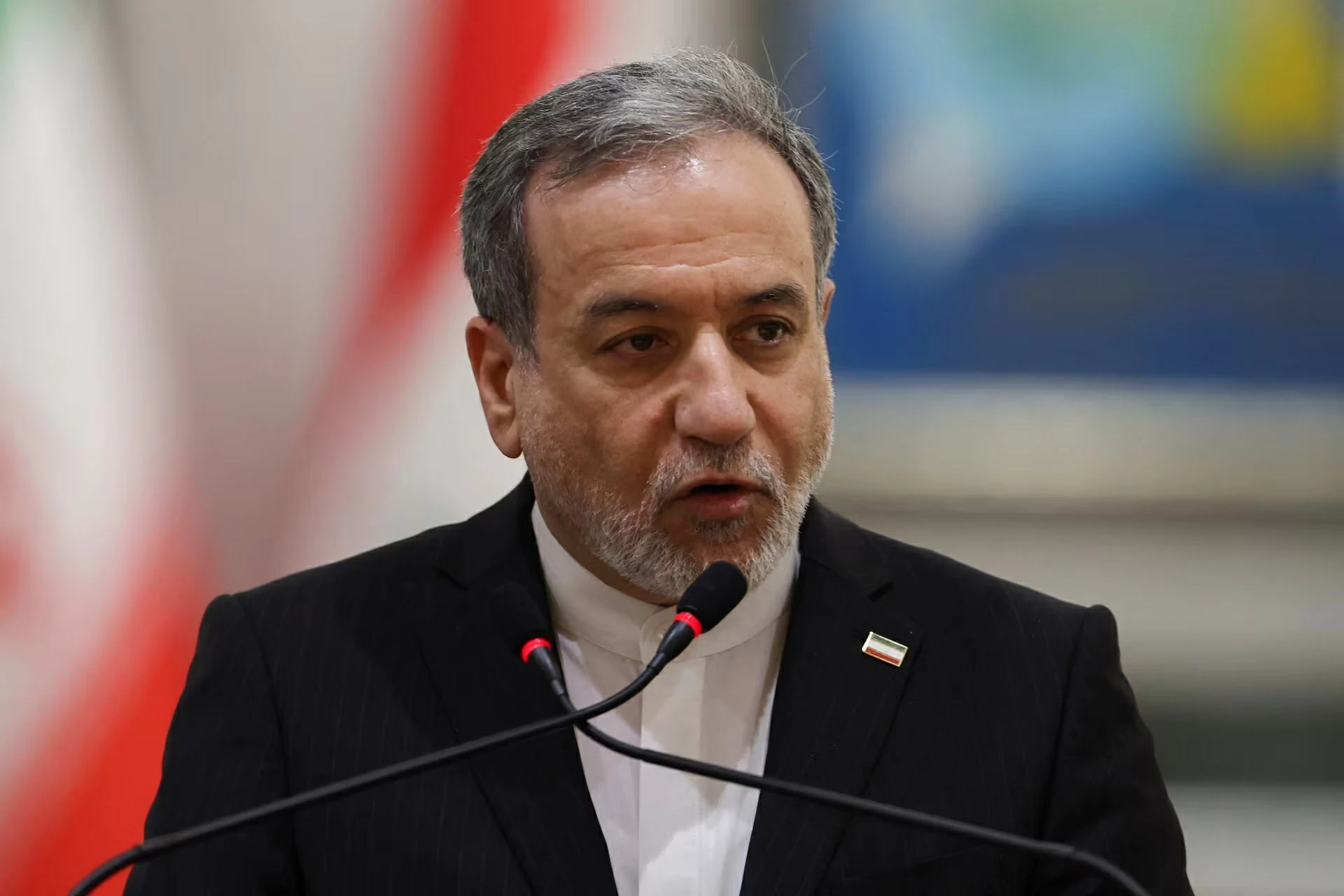
أعلن وزير الخارجية الإيراني عباس عراقجي أنه لا توجد مفاوضات حالياً مع الجانب الأمريكي، بل مجرد تبادل للرسائل عبر وسطاء.
وقال: «لن تكون هناك مفاوضات ما دامت الانتهاكات الأمريكية للاتفاق المؤقت مستمرة»، وفق ما نقلت وكالة مهر، اليوم (الأحد).
وأشار عراقجي إلى أن الوسطاء ما زالوا يبذلون جهوداً لإيجاد سبل لاستئناف المفاوضات مجدداً. وأضاف: «ما لم تتوقف انتهاكات الولايات المتحدة لمذكرة التفاهم، وما لم تعوّض واشنطن عن انتهاكاتها، فلا إمكانية لاستئناف المفاوضات».
وحول إعادة فتح مضيق هرمز، كرر عراقجي القول إنها «مرهونة بمجموعة من الشروط»، حسب تعبيره. ولفت إلى أن المفاوضات مع عُمان تتعلق بتحديد مسار بحري جديد في مضيق هرمز. قائلاً: «نحن في المرحلة النهائية».
وأفاد بأنه «سيتم استبدال المسارات القديمة بمسارات جديدة»، مشيراً إلى أن «المتخصصين يعملون حالياً على تلك المسارات».
وقال إنه تم تحديد المسارات البحرية في هرمز عام 1968، لكن خلال الحرب الأخيرة تبيّن أنه يجب إجراء تغيير في هذه المسارات، وأنه من الضروري إدخال تعديلات على المسارات البحرية، وهو ما يعمل عليه خبراؤنا مع العمانيين، وعندما يتم تحديد هذه المسارات، وحين يفتح مضيق هرمز، سيتم استخدام هذه المسارات.
The Iranian Foreign Minister Abbas Araghchi announced that there are currently no negotiations with the American side, but rather just an exchange of messages through intermediaries.
He said: "There will be no negotiations as long as the American violations of the interim agreement continue," according to the Mehr news agency, today (Sunday).
Araghchi indicated that the mediators are still making efforts to find ways to resume negotiations again. He added: "Unless the United States stops its violations of the memorandum of understanding, and unless Washington compensates for its violations, there is no possibility of resuming negotiations."
Regarding the reopening of the Strait of Hormuz, Araghchi reiterated that it is "conditional on a set of terms," as he expressed. He pointed out that negotiations with Oman are related to determining a new maritime route in the Strait of Hormuz, stating: "We are in the final stage."
He reported that "the old routes will be replaced with new ones," noting that "specialists are currently working on those routes."
He mentioned that the maritime routes in Hormuz were determined in 1968, but during the recent war, it became clear that changes needed to be made to these routes, and that it is necessary to introduce amendments to the maritime routes, which our experts are working on with the Omanis. Once these routes are determined, and when the Strait of Hormuz is opened, these routes will be used.