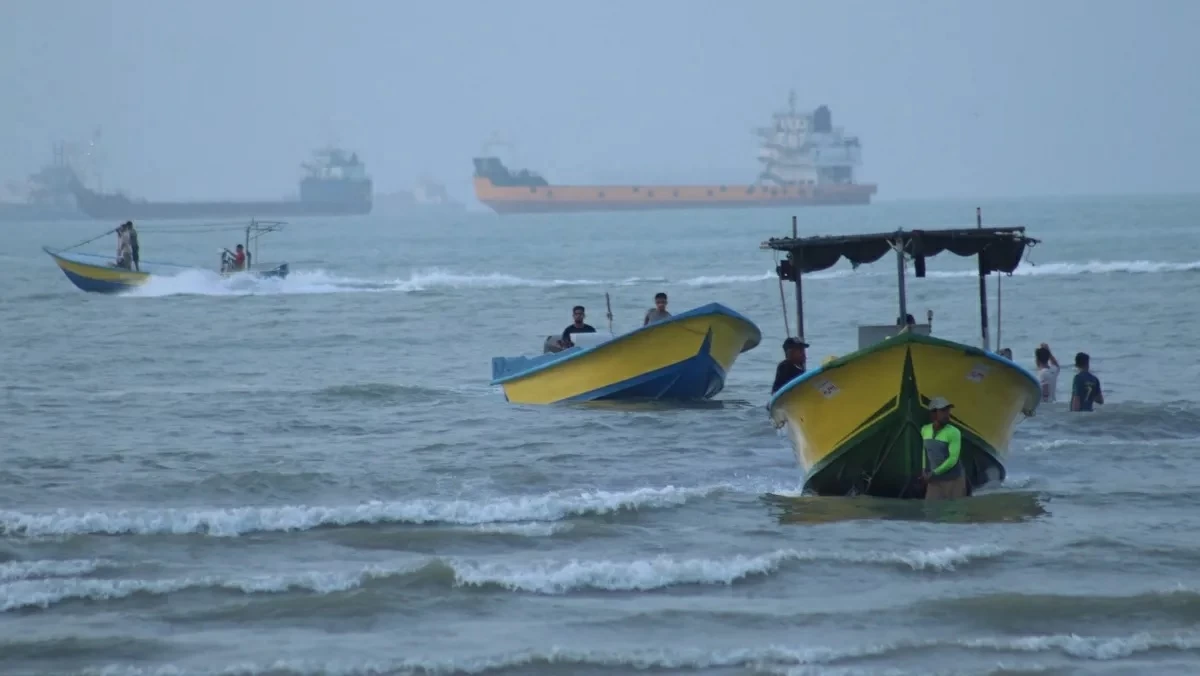
فيما تستمر المفاوضات بين طهران ومسقط حول مضيق هرمز وسبل إعادة فتحه أمام حركة الملاحة، وضعت إيران 6 شروط قالت إن على الولايات المتحدة الالتزام بها قبل فتح هذا الممر الملاحي الحيوي عالمياً.
وفي موقف تصعيدي يزيد التعقيد والغموض، اعتبر أمين المجلس الأعلى للأمن القومي محمد باقر ذو القدر، أن المضيق لن يُفتح قبل أن تصحح واشنطن سلوكها وتنهي العمليات العسكرية ضد إيران وحلفائها في لبنان وفلسطين واليمن والعراق وترفع الحصار والعقوبات وتسحب قواتها من محيط البلاد وتدفع تعويضات وتفرج عن الأصول الإيرانية المجمدة في الخارج.
وأشار إلى أن المجلس الأعلى للأمن القومي لن يتراجع عن تلك المطالب، سواء في الحرب أو المفاوضات، ورغم التصريحات المتفائلة التي صدرت خلال الأيام الماضية عن الجانب الإيراني، خصوصاً بعد تأكيد وزير الخارجية الإيراني عباس عراقجي، أن طهران ومسقط أصبحتا قريبتين جداً من التوصل إلى اتفاق بشأن الآلية القانونية لإدارة المضيق وتحديد مسار جديد لحركة السفن. إلا أنه اعتبر أن التفاهم مع مسقط «لا يعني إعادة فتح هرمز»، وربط إعادة فتحه بمعالجة الانتهاكات الأمريكية لمذكرة تفاهم إسلام أباد، وفق تعبيره.
في المقابل، يبدو أن واشنطن تراهن على زيادة الضغوط العسكرية والاقتصادية على إيران. إذ اعتبر نائب الرئيس الأمريكي جيه دي فانس في مقابلة مع فوكس نيوز مساء السبت أن بلاده «تطبق مجموعة كاملة من الأدوات والضغوطات على إيران، بينها الدبلوماسية والاقتصادية والعسكرية، لضمان حصولنا على أفضل نتيجة للشعب الأمريكي». وأكد أن «الإيرانيين يتألمون ويريدون إنهاء الأمر».
وأعرب عن أمله بقرب التوصل لاتفاق يسمح بعودة إمدادات الطاقة عبر مضيق هرمز إلى مستويات ما قبل الحرب.
وكان مسؤول أمريكي، أعلن الجمعة، إحراز تقدم بين إيران وسلطنة عمان قد يؤدي قريباً إلى إعادة فتح هرمز، بما قد يسمح باستئناف صادرات النفط التي تعطلت بسبب الحرب التي اندلعت قبل خمسة أشهر. وأضاف أن الولايات المتحدة سترفع حصارها عن الموانئ الإيرانية فور الإعلان عن اتفاق لإعادة حركة الشحن التجاري دون عوائق.
وكانت إدارة الرئيس الأمريكي دونالد ترمب أشارت مراراً في الأسابيع القليلة الماضية إلى أن اتفاقاً لفتح المضيق قد يكون وشيكاً، قبل أن تنفي إيران إجراء محادثات.
As negotiations continue between Tehran and Muscat regarding the Strait of Hormuz and ways to reopen it to maritime traffic, Iran has set six conditions that it says the United States must adhere to before opening this vital global maritime corridor.
In a provocative stance that adds complexity and ambiguity, the Secretary of the Supreme National Security Council, Mohammad Baqer Zolqadr, stated that the strait will not be opened until Washington corrects its behavior, ends military operations against Iran and its allies in Lebanon, Palestine, Yemen, and Iraq, lifts the blockade and sanctions, withdraws its forces from the country's vicinity, pays reparations, and releases Iranian assets frozen abroad.
He pointed out that the Supreme National Security Council will not back down from these demands, whether in war or negotiations, and despite the optimistic statements that have emerged in recent days from the Iranian side, especially after Iranian Foreign Minister Abbas Araghchi confirmed that Tehran and Muscat have come very close to reaching an agreement regarding the legal mechanism for managing the strait and determining a new route for ship movement. However, he considered that the understanding with Muscat "does not mean reopening Hormuz," linking its reopening to addressing the American violations of the Islamabad memorandum of understanding, as he put it.
On the other hand, it seems that Washington is betting on increasing military and economic pressures on Iran. U.S. Vice President J.D. Vance stated in an interview with Fox News on Saturday evening that his country "is applying a full range of tools and pressures on Iran, including diplomatic, economic, and military, to ensure we achieve the best outcome for the American people." He confirmed that "the Iranians are suffering and want to end the matter."
He expressed hope for a near agreement that would allow the return of energy supplies through the Strait of Hormuz to pre-war levels.
An American official announced on Friday that progress had been made between Iran and Oman that could soon lead to the reopening of Hormuz, potentially allowing for the resumption of oil exports that have been disrupted due to the war that broke out five months ago. He added that the United States would lift its blockade on Iranian ports as soon as an agreement is announced to restore commercial shipping without obstacles.
The administration of U.S. President Donald Trump had repeatedly indicated in recent weeks that an agreement to open the strait could be imminent, before Iran denied conducting negotiations.