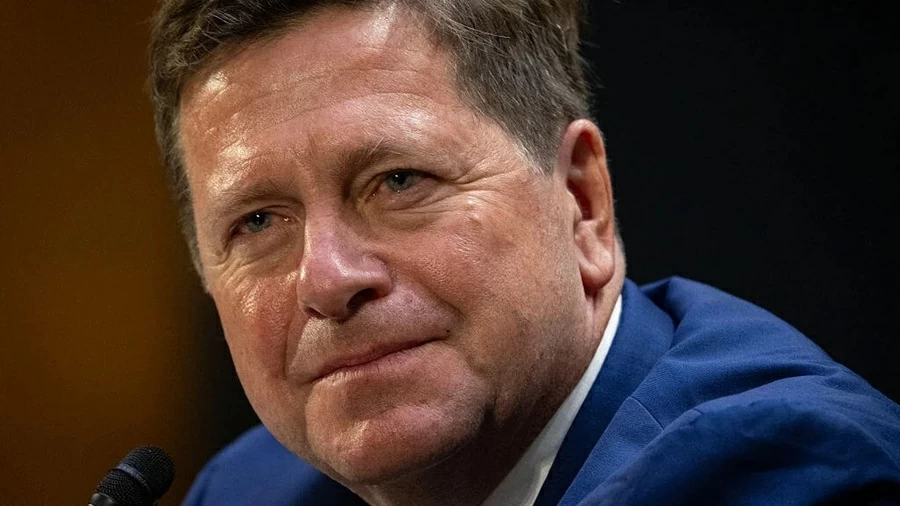
تتجه أجهزة الاستخبارات الأمريكية إلى مرحلة جديدة مع قرب تسلم جاي كلايتون مهماته مديراً للاستخبارات الوطنية، بعد مصادقة مجلس الشيوخ على تعيينه في تصويت انقسم على أسس حزبية، وسط آمال الجمهوريين في إنهاء الجمود بشأن تجديد قانون المراقبة المثير للجدل، مقابل استمرار تشكيك الديمقراطيين في استقلالية القيادة الجديدة.
وأعلن مدير الاستخبارات الوطنية بالإنابة، بيل بولت، أن مراسم تسليم المهمات إلى كلايتون ستتم يوم الإثنين القادم، مؤكداً في منشور عبر وسائل التواصل الاجتماعي أن عملية انتقال السلطة ستجري وفق الجدول المقرر.
وكان مجلس الشيوخ الأمريكي أقر تعيين كلايتون بأغلبية 51 صوتاً مقابل 47، ليخلف بولت الذي تولى إدارة أجهزة الاستخبارات بصورة مؤقتة منذ استقالة تولسي جابارد في يونيو الماضي.
وجاءت استقالة جابارد بعد فترة شهدت خلافات حادة مع الديمقراطيين في الكونغرس، الذين اتهموها بالانحياز إلى أجندة الرئيس الأمريكي دونالد ترمب السياسية والترويج لمزاعم انتخابية سبق دحضها.
إشراف على 18 وكالة استخبارات
وبتوليه المنصب، سيشرف كلايتون على 18 وكالة استخبارات أمريكية، في واحدة من أكثر الوظائف حساسية داخل منظومة الأمن القومي، رغم أن مسيرته المهنية ارتبطت بصورة أكبر بالقانون والأسواق المالية، وليس بالأجهزة الأمنية أو الاستخباراتية.
وعمل كلايتون أخيراً مدعياً عاماً فيدرالياً للمنطقة الجنوبية من نيويورك، أحد أبرز مناصب الادعاء في الولايات المتحدة، حيث أشرف على ملفات الإرهاب والجرائم المالية والفساد ومخالفات الشركات والأسواق المالية.
وقبل ذلك، شغل منصب رئيس هيئة الأوراق المالية والبورصات الأمريكية بين عامي 2017 و2020 خلال الولاية الأولى للرئيس ترمب، وتبنى آنذاك سياسات اعتبرها مؤيدوه أكثر مرونة تجاه قطاع الأعمال.
كما أمضى سنوات طويلة في شركة المحاماة العالمية «Sullivan & Cromwell»، متخصصاً في عمليات الاندماج والاستحواذ وأسواق المال والحوكمة المؤسسية، مقدماً استشارات لكبرى المؤسسات المالية والشركات الدولية.
وحصل كلايتون على درجة البكالوريوس من جامعة بنسلفانيا، قبل أن ينال شهادة القانون من كلية الحقوق بالجامعة نفسها، بينما تعمل زوجته جريتشن كلايتون محامية متخصصة في مجالات الامتثال والرقابة المالية.
جلسات مصادقة مثيرة للجدل
ورغم حصوله على دعم الجمهوريين، واجه كلايتون انتقادات حادة خلال جلسات المصادقة من جانب الديمقراطيين، بعدما رفض الإقرار بشكل مباشر بأن الرئيس السابق جو بايدن فاز في انتخابات عام 2020.
واكتفى بالقول إن بايدن هو «الرئيس الذي تم التصديق على انتخابه»، وهو ما اعتبره أعضاء ديمقراطيون محاولة لتجنب الاعتراف الصريح بنتائج الانتخابات، وأثار مخاوف بشأن مدى استقلاليته عن الرئيس ترمب.
وقال السيناتور الديمقراطي مارك وارنر، نائب رئيس لجنة الاستخبارات بمجلس الشيوخ، إن المدير الجديد بات أمام مسؤولية كبيرة لإثبات أن أجهزة الاستخبارات لن تتحول إلى أداة لخدمة أي أجندة سياسية، مشيراً إلى أنه أصبح أكثر تحفظاً بشأن ترشيحه بعد جلسات الاستماع.
انتقادات لتعيين بولت
وفي المقابل، تعرض المدير المؤقت بيل بولت لانتقادات واسعة منذ تعيينه في يونيو، بسبب افتقاره إلى الخبرة في مجالات الأمن القومي والاستخبارات، خاصة أنه يشغل أيضاً منصب مدير الوكالة الفيدرالية لتمويل الإسكان.
كما أثارت قراراته بتسريح عدد من موظفي أجهزة الاستخبارات اعتراضات من جانب الديمقراطيين، الذين اعتبروا أن الإدارة المؤقتة افتقرت إلى الخبرة اللازمة لإدارة مجتمع الاستخبارات الأمريكي.
أزمة قانون المراقبة
ويأمل الجمهوريون أن يسهم تثبيت كلايتون في منصبه في كسر الجمود السياسي بشأن إعادة تفويض المادة 702 من قانون مراقبة الاستخبارات الأجنبية (FISA)، التي تمنح وكالات الأمن صلاحيات واسعة لجمع المعلومات الاستخباراتية المتعلقة بالأمن القومي في ظروف محددة.
وكان الديمقراطيون قد انسحبوا من اتفاق سابق لتجديد القانون عقب تعيين بولت بصورة مؤقتة، معتبرين أن قيادة أجهزة الاستخبارات يجب أن تتولاها شخصية تتمتع بخبرة ومصداقية.
وقال زعيم الأغلبية الجمهورية في مجلس الشيوخ، جون ثون، إن تثبيت كلايتون قد يساعد على استئناف المفاوضات بشأن القانون، مؤكداً أن استمرار العمل بالمادة 702 يمثل ضرورة لحماية الأمن القومي الأمريكي.
استمرار تعليق المادة 702
ورغم تثبيت المدير الجديد، لا يبدو أن إعادة العمل بالمادة 702 ستكون وشيكة، إذ من المنتظر أن يواصل مجلس الشيوخ جلساته حتى الأسبوع القادم قبل دخوله عطلة تمتد حتى منتصف سبتمبر، بينما بدأ مجلس النواب بالفعل عطلة تستمر خمسة أسابيع.
وبذلك، من المرجح أن يبقى العمل بصلاحيات المراقبة المنصوص عليها في المادة 702 معلقاً إلى حين استئناف الكونجرس أعماله واستكمال المفاوضات بين الحزبين، في ظل استمرار الانقسام السياسي حول مستقبل أدوات المراقبة والاستخبارات في الولايات المتحدة.
The U.S. intelligence agencies are moving towards a new phase with the impending assumption of Jay Clayton as the Director of National Intelligence, following the Senate's approval of his appointment in a vote that split along party lines, amid Republican hopes of ending the stalemate regarding the renewal of the controversial surveillance law, while Democrats continue to express doubts about the independence of the new leadership.
Acting Director of National Intelligence, Bill Bolt, announced that the handover ceremony to Clayton will take place next Monday, confirming in a social media post that the transition of power will proceed as scheduled.
The U.S. Senate approved Clayton's appointment by a majority of 51 votes to 47, succeeding Bolt, who has been temporarily managing the intelligence agencies since Tulsi Gabbard's resignation last June.
Gabbard's resignation came after a period marked by sharp disagreements with Democrats in Congress, who accused her of aligning with the political agenda of former President Donald Trump and promoting previously debunked electoral claims.
Oversight of 18 Intelligence Agencies
With his appointment, Clayton will oversee 18 U.S. intelligence agencies, in one of the most sensitive positions within the national security framework, despite his career being more associated with law and financial markets rather than security or intelligence agencies.
Clayton most recently served as a federal prosecutor for the Southern District of New York, one of the most prominent prosecutorial positions in the United States, where he oversaw cases involving terrorism, financial crimes, corruption, and corporate and financial market violations.
Prior to that, he served as the Chairman of the U.S. Securities and Exchange Commission from 2017 to 2020 during Trump’s first term, adopting policies that his supporters viewed as more flexible towards the business sector.
He also spent many years at the global law firm "Sullivan & Cromwell," specializing in mergers and acquisitions, financial markets, and corporate governance, providing counsel to major financial institutions and international companies.
Clayton earned his bachelor's degree from the University of Pennsylvania before obtaining his law degree from the same university, while his wife, Gretchen Clayton, is a lawyer specializing in compliance and financial regulation.
Controversial Confirmation Sessions
Despite receiving support from Republicans, Clayton faced sharp criticism during the confirmation sessions from Democrats after he refused to directly acknowledge that former President Joe Biden won the 2020 election.
He merely stated that Biden is "the president who has been certified as elected," which Democratic members viewed as an attempt to avoid a clear acknowledgment of the election results, raising concerns about his independence from Trump.
Democratic Senator Mark Warner, Vice Chairman of the Senate Intelligence Committee, stated that the new director now has a significant responsibility to prove that the intelligence agencies will not become a tool to serve any political agenda, noting that he has become more cautious about his nomination after the hearings.
Criticism of Bolt's Appointment
In contrast, Acting Director Bill Bolt has faced widespread criticism since his appointment in June due to his lack of experience in national security and intelligence, especially since he also serves as the Director of the Federal Housing Finance Agency.
His decisions to dismiss several intelligence agency employees have also drawn objections from Democrats, who believe that the interim administration lacks the necessary expertise to manage the U.S. intelligence community.
Surveillance Law Crisis
Republicans hope that Clayton's confirmation will help break the political deadlock regarding the reauthorization of Section 702 of the Foreign Intelligence Surveillance Act (FISA), which grants security agencies broad powers to collect intelligence related to national security under specific circumstances.
Democrats had withdrawn from a previous agreement to renew the law following Bolt's temporary appointment, believing that the leadership of the intelligence agencies should be held by someone with experience and credibility.
Senate Republican Majority Leader John Thune stated that Clayton's confirmation could help resume negotiations regarding the law, emphasizing that continuing to operate under Section 702 is essential for protecting U.S. national security.
Continued Suspension of Section 702
Despite the new director's confirmation, it does not appear that the reinstatement of Section 702 will be imminent, as the Senate is expected to continue its sessions until next week before entering a recess that extends until mid-September, while the House of Representatives has already begun a five-week recess.
Thus, it is likely that the surveillance powers outlined in Section 702 will remain suspended until Congress resumes its work and negotiations between the two parties are completed, amid ongoing political division regarding the future of surveillance and intelligence tools in the United States.