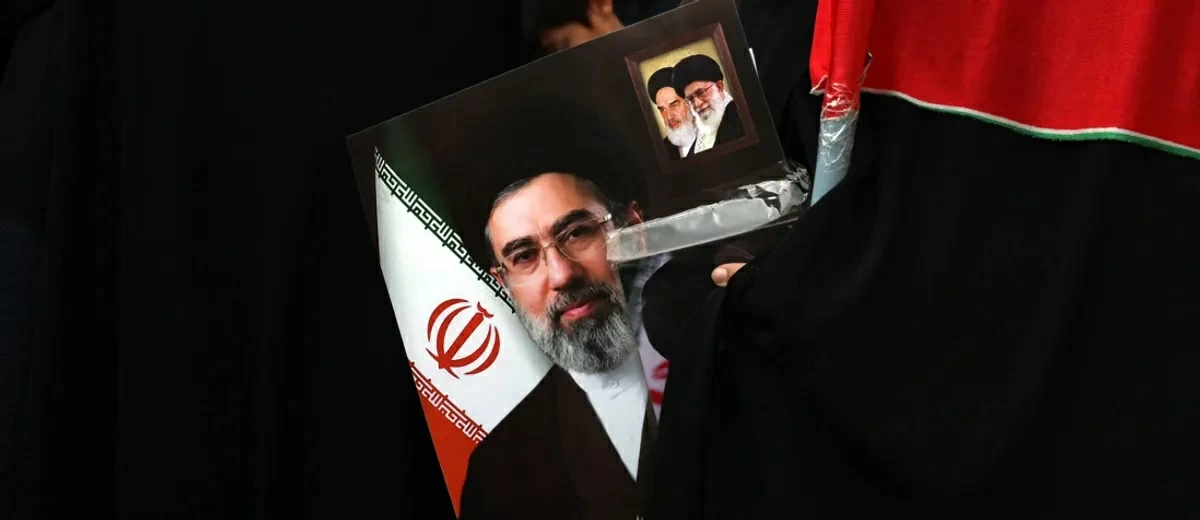
سلطت صحيفة (همشهري) الإيرانية، التابعة لبلدية طهران، الضوء على المخاطر الأمنية المتطورة المرتبطة بالملفات الصوتية، وذلك في معرض إجابتها عن تساؤل يتعلق بحظر نشر أي تسجيلات صوتية للمرشد.
وأوضحت الصحيفة أن أجهزة الاستخبارات باتت تمتلك تقنيات متقدمة لتفكيك الطبقات الخفية لأي ملف صوتي واستخراج بيانات حيوية وجغرافية وزمنية بالغة الدقة من المتحدث والبيئة المحيطة به.
تتصدر القياسات الحيوية الصوتية قائمة المخاطر الأشد حساسية، حيث تُمكن بصمة الصوت والترددات الناجمة عن القصبة الهوائية وتجويف الفم، أجهزة التجسس من تحديد الخصائص الجسدية للمتحدث بدقة، فضلاً عن تحليل نمط التنفس وفترات التوقف لمعرفة معدل ضربات القلب ومستوى التوتر والحالة الصحية العامة، مع القدرة البرمجية على إلغاء أثر أي أجهزة تستخدم لتشوه أو تغيير الصوت.
كما يمثِّل التتبع الزمني والجغرافي عبر شبكات الكهرباء ثغرة أمنية كبرى، إذ يُسجل كل ملف صوتي همساً كهرومغناطيسياً ناتجاً عن تردد الكهرباء. ومن خلال مطابقة التذبذبات الطفيفة في هذا التردد مع قواعد البيانات اللحظية للدول، يستطيع المحللون تحديد التاريخ والوقت الدقيق للتسجيل، بل وحتى تحديد النطاق الفرعي لشبكة الكهرباء في موقع المتحدث.
وتسهم الضوضاء الخلفية بشكل مباشر في تحديد البيئة المكانية، حيث تكشف الأصوات الضئيلة الناتجة عن أنظمة التهوية والتبريد أو حركة المرور، وصولاً إلى أصوات الرياح والطيور المحلية، عن المواصفات الفنية للبيئة المحيطة وتضييق النطاق الجغرافي لموقع التسجيل.
إلى جانب ذلك، تترك المايكروفونات وأجهزة التسجيل أثراً فنياً فريداً وتشوهاً توافقياً يعمل كبصمة تتيح للأجهزة الاستخبارية التعرف على نوع وطراز الجهاز المُستخدم. وأخيراً، تسمح الهندسة الصوتية وأبعاد الغرفة بحساب الحجم التقريبي للقاعة المغلقة من خلال قياس سرعة انخفاض طاقة الصوت والانعكاسات على الجدران والسقف، مع تحديد طبيعة المواد المكونة للجدران كالخرسانة أو الزجاج.
The Iranian newspaper (Hamshahri), affiliated with the Tehran Municipality, highlighted the evolving security risks associated with audio files, in response to a query regarding the ban on publishing any audio recordings of the leader.
The newspaper explained that intelligence agencies now possess advanced technologies to dismantle the hidden layers of any audio file and extract highly accurate biometric, geographical, and temporal data from the speaker and their surrounding environment.
Voice biometrics top the list of the most sensitive risks, as the voiceprint and frequencies resulting from the trachea and oral cavity enable spying devices to accurately determine the physical characteristics of the speaker, as well as analyze breathing patterns and pauses to ascertain heart rate, stress levels, and overall health condition, with the software capability to negate the effects of any devices used to distort or alter the voice.
Additionally, temporal and geographical tracking through electrical networks represents a major security vulnerability, as every audio file records an electromagnetic whisper resulting from electrical frequency. By matching the slight fluctuations in this frequency with real-time databases of countries, analysts can determine the exact date and time of the recording, and even identify the subnet of the electrical network at the speaker's location.
Background noise directly contributes to identifying the spatial environment, as faint sounds resulting from ventilation and cooling systems or traffic, down to the sounds of wind and local birds, reveal the technical specifications of the surrounding environment and narrow the geographical scope of the recording location.
Moreover, microphones and recording devices leave a unique technical trace and a harmonic distortion that acts as a fingerprint, allowing intelligence agencies to recognize the type and model of the device used. Finally, acoustic engineering and room dimensions allow for estimating the approximate volume of the enclosed hall by measuring the rate of sound energy decay and reflections on the walls and ceiling, while identifying the nature of the materials making up the walls, such as concrete or glass.