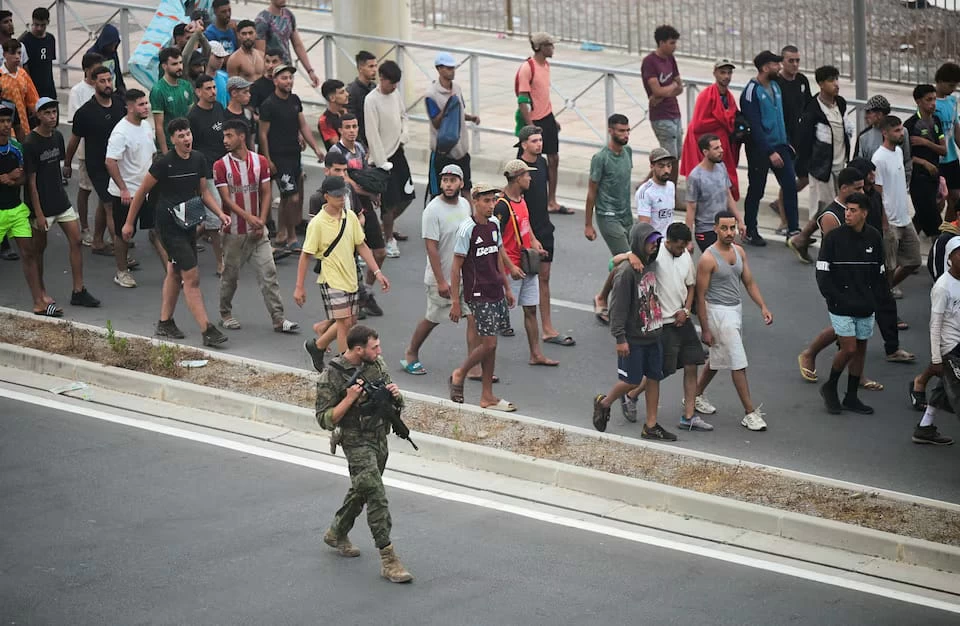
أعلنت السلطات الإسبانية أنها تمكنت من احتواء واحدة من أكبر موجات الهجرة غير النظامية التي شهدتها مدينة سبتة، الجيب الإسباني الواقع في شمال أفريقيا، بعد أن عبر أكثر من 50 ألف مهاجر الحدود البرية والبحرية مع المغرب خلال أقل من يومين، في حادثة غير مسبوقة أسفرت عن عشرات الضحايا وأثارت أزمة سياسية وأمنية داخل أوروبا.
وأكدت الحكومة الإسبانية أن غالبية المهاجرين الذين دخلوا المدينة عادوا طوعاً إلى الأراضي المغربية، فيما تواصل السلطات عمليات إعادة من دخلوا البلاد بصورة غير قانونية، بالتنسيق الكامل مع الرباط.
عشرات الضحايا خلال محاولات العبور
وقال ممثل الحكومة الإسبانية في سبتة إن فرق الإنقاذ انتشلت 57 جثة من الجانب الإسباني للحدود، مع توقعات بوجود ضحايا إضافيين في الجانب المغربي.
وأوضحت السلطات أن بعض المهاجرين لقوا حتفهم غرقاً أثناء محاولتهم السباحة نحو المدينة، بينما توفي آخرون نتيجة التدافع والسقوط أثناء تسلق الحاجز البحري والسياج الحدودي.
وبحسب وزارة الداخلية الإسبانية، فقد دخل نحو 50 ألف شخص إلى سبتة منذ صباح الخميس، بينما عاد 48,300 مهاجر إلى المغرب حتى مساء الجمعة. وفي المقابل، قدّر رئيس حكومة سبتة المحلية، خوان جيسوس فيفاس، العدد الإجمالي للوافدين بما قد يصل إلى 60 ألف شخص خلال اليومين الماضيين.
إجراءات أمنية مشددة على جانبي الحدود
وشهدت الحدود انتشاراً أمنياً مكثفاً، حيث استخدمت قوات الأمن المغربية الهراوات والغاز المسيل للدموع لتفريق الحشود ومنع المزيد من محاولات الاقتحام، كما دفعت بشاحنات خراطيم المياه لمواجهة المتجمعين قرب الأسوار الحدودية.
ورصدت تقارير إعلامية عالمية آثار المواجهات، بما في ذلك احتراق حافلة وسبع سيارات، فيما انتشرت آليات الجيش الإسباني على طول أجزاء من الحدود تحسباً لأي محاولات جديدة للتسلل.
وفي الجانب المغربي، بقي مئات المهاجرين على التلال المطلة على سبتة، بعد أن فشلوا في الوصول إلى المدينة، بينما شوهدت مجموعات أخرى تعود عبر المعابر الرسمية أو من خلال فتحات في السياج الحدودي.
مهاجرون: لا طعام ولا مأوى داخل سبتة
وقال عدد من المهاجرين إنهم اضطروا للعودة إلى المغرب بعد عجزهم عن العثور على الطعام أو المأوى داخل سبتة.
وقال شاب مغربي من مدينة طنجة لـ«رويترز»: «لا أعرف حتى لماذا جئت، والآن أعود إلى بلدي، لم أتناول الطعام منذ ظهر أمس رغم أنني أحضرت معي بعض المال، وما فعلناه لم يكن جيداً ولا يستحق المعاناة».
كما أوضح أيمن، وهو حلاق يبلغ من العمر 20 عاماً من مدينة العرائش، أنه سبح لمدة خمس ساعات للوصول إلى سبتة، لكنه اضطر إلى المغادرة بعد تعرضه للطرد من قبل الجيش الإسباني، مؤكداً أن المدينة كانت تفتقر إلى الغذاء والخدمات الأساسية.
سانشيز: ما حدث انتهاك للسيادة الإسبانية
وتوجه رئيس الوزراء الإسباني بيدرو سانشيز إلى مدينة سبتة، حيث واجه احتجاجات وهتافات غاضبة من بعض المتظاهرين.
ووصف سانشيز موجة العبور الجماعي بأنها «انتهاك للسيادة الإقليمية الإسبانية»، مؤكداً أن الحكومة تعمل على تسريع إعادة جميع المهاجرين الذين دخلوا بصورة غير قانونية، بالتعاون الكامل مع السلطات المغربية.
وتُعد مدينتا سبتة ومليلية المدينتين الإسبانيتين الوحيدتين اللتين تمتلكان حدوداً برية مع القارة الأفريقية، وتشهدان بين الحين والآخر محاولات عبور من مهاجرين يسعون للوصول إلى أوروبا، إلا أن حجم التدفق الأخير وصف بأنه الأكبر في تاريخ المدينتين.
انقسام أوروبي وإجراءات استثنائية
وأثارت الأزمة انقساماً بين الدول الأوروبية، إذ دعا عدد من قادة الاتحاد الأوروبي مدريد إلى السيطرة على الوضع سريعاً.
وفي خطوة غير معتادة، أعلنت إيطاليا تعليق العمل مؤقتاً باتفاقية شنغن مع إسبانيا، وهو ما سيؤثر على حركة السفر الجوي والبحري بين البلدين، بينما اعتبرت الحكومة الإسبانية أن القرار يخالف معاهدات الاتحاد الأوروبي.
من جهتها، أعلنت فرنسا تعزيز الإجراءات الأمنية على الحدود مع إسبانيا، عبر مضاعفة أعداد عناصر الشرطة خمس مرات، إلى جانب تكثيف المراقبة الجوية ودوريات القطارات.
سجال سياسي حول سياسات الهجرة
وألقت أحزاب اليمين الأوروبية باللوم على سياسات الحكومة الإسبانية المتعلقة بالهجرة، معتبرة أن منح تسوية قانونية لمئات الآلاف من المهاجرين غير النظاميين خلال العام الحالي شجع المزيد من محاولات العبور.
كما استدعت مدريد السفير الإيطالي احتجاجاً على تصريحات وزير الخارجية الإيطالي أنطونيو تاياني، الذي اتهم الحكومة الإسبانية بأن سياسة العفو عن المهاجرين «شجعت شبكات تهريب البشر».
وفي الولايات المتحدة، وصف الرئيس دونالد ترمب مشاهد العبور الجماعي إلى سبتة بأنها «تشبه الغزو»، منتقداً سياسات الهجرة الإسبانية، بينما حملت وزارة الخارجية الأمريكية الحكومة الإسبانية مسؤولية ما حدث، معتبرة أن الأزمة جاءت نتيجة مباشرة لسياساتها في ملف الهجرة.
حكم قضائي قد يكون وراء زيادة التدفقات
وأشار وزير السياسة الإقليمية الإسباني أنخيل فيكتور توريس، إلى أن أحد العوامل التي ربما ساهمت في ارتفاع أعداد المهاجرين يتمثل في حكم أصدرته المحكمة العليا الإسبانية في وقت سابق من الشهر الجاري، يقضي بعدم جواز الإعادة الفورية للمهاجرين الذين يتم اعتراضهم في البحر أثناء محاولتهم الوصول إلى سبتة أو مليلية، رغم أن خبراء قانونيين يؤكدون أن القرار لا يمنع ترحيلهم لاحقاً وفق الإجراءات القانونية.
وفي الجانب المغربي، واصل آلاف المهاجرين التوافد إلى مدينة الفنيدق رغم الانتشار الأمني المكثف، إلا أن معظم محاولات العبور أُحبطت، بينما بدأت مجموعات أخرى في الانسحاب بعد إدراك صعوبة الوصول إلى المدينة، في حين اتجهت مجموعات أخرى إلى السواحل بحثاً عن طرق بديلة للالتفاف على السياج الحدودي.
The Spanish authorities announced that they managed to contain one of the largest waves of irregular migration that the city of Ceuta, the Spanish enclave located in North Africa, has witnessed, after more than 50,000 migrants crossed the land and maritime borders with Morocco in less than two days, in an unprecedented incident that resulted in dozens of casualties and sparked a political and security crisis within Europe.
The Spanish government confirmed that the majority of the migrants who entered the city voluntarily returned to Moroccan territory, while authorities continued the process of deporting those who entered the country illegally, in full coordination with Rabat.
Dozens of casualties during crossing attempts
The representative of the Spanish government in Ceuta stated that rescue teams recovered 57 bodies from the Spanish side of the border, with expectations of additional casualties on the Moroccan side.
The authorities explained that some migrants drowned while trying to swim to the city, while others died due to stampedes and falls while climbing the maritime barrier and the border fence.
According to the Spanish Ministry of the Interior, about 50,000 people entered Ceuta since Thursday morning, while 48,300 migrants returned to Morocco by Friday evening. In contrast, the President of the local government of Ceuta, Juan Jesús Vivas, estimated the total number of arrivals could reach 60,000 people over the past two days.
Heightened security measures on both sides of the border
The border witnessed a heavy security presence, as Moroccan security forces used batons and tear gas to disperse crowds and prevent further attempts to breach, and deployed water cannon trucks to confront those gathering near the border walls.
Global media reports documented the aftermath of the confrontations, including the burning of a bus and seven cars, while Spanish military vehicles were deployed along parts of the border in anticipation of any new infiltration attempts.
On the Moroccan side, hundreds of migrants remained on the hills overlooking Ceuta after failing to reach the city, while other groups were seen returning through official crossings or through openings in the border fence.
Migrants: No food or shelter inside Ceuta
Several migrants stated that they had to return to Morocco after being unable to find food or shelter inside Ceuta.
A young Moroccan from Tangier told Reuters: “I don’t even know why I came, and now I am going back to my country. I haven’t eaten since yesterday afternoon even though I brought some money with me, and what we did was not good and not worth the suffering.”
Ayman, a 20-year-old barber from Larache, explained that he swam for five hours to reach Ceuta, but had to leave after being expelled by the Spanish army, confirming that the city lacked food and basic services.
Sánchez: What happened is a violation of Spanish sovereignty
The Spanish Prime Minister Pedro Sánchez traveled to Ceuta, where he faced protests and angry chants from some demonstrators.
Sánchez described the wave of mass crossings as “a violation of Spanish territorial sovereignty,” confirming that the government is working to expedite the return of all migrants who entered illegally, in full cooperation with Moroccan authorities.
Ceuta and Melilla are the only two Spanish cities that have land borders with the African continent, and they occasionally witness crossing attempts from migrants seeking to reach Europe, but the recent influx has been described as the largest in the history of the two cities.
European division and exceptional measures
The crisis has sparked a division among European countries, as several EU leaders urged Madrid to quickly control the situation.
In an unusual move, Italy announced the temporary suspension of the Schengen Agreement with Spain, which will affect air and sea travel between the two countries, while the Spanish government considered the decision a violation of EU treaties.
For its part, France announced the reinforcement of security measures on the border with Spain by increasing the number of police officers fivefold, in addition to intensifying aerial surveillance and train patrols.
Political dispute over immigration policies
European right-wing parties blamed the Spanish government's immigration policies, arguing that granting legal status to hundreds of thousands of irregular migrants during the current year encouraged more crossing attempts.
Madrid also summoned the Italian ambassador in protest against statements made by Italian Foreign Minister Antonio Tajani, who accused the Spanish government of having a policy of amnesty for migrants that “encouraged human trafficking networks.”
In the United States, President Donald Trump described the scenes of mass crossings into Ceuta as “akin to an invasion,” criticizing Spanish immigration policies, while the U.S. State Department held the Spanish government responsible for what happened, considering that the crisis was a direct result of its immigration policies.
A court ruling may be behind the increased flows
Spanish Regional Policy Minister Ángel Víctor Torres pointed out that one of the factors that may have contributed to the rise in the number of migrants is a ruling issued by the Spanish Supreme Court earlier this month, which states that immediate deportation of migrants intercepted at sea while attempting to reach Ceuta or Melilla is not permissible, although legal experts confirm that the ruling does not prevent their later deportation according to legal procedures.
On the Moroccan side, thousands of migrants continued to flock to the city of Fnideq despite the heavy security presence, but most crossing attempts were thwarted, while other groups began to withdraw after realizing the difficulty of reaching the city, while other groups headed to the coasts in search of alternative routes to circumvent the border fence.