تخطّط الولايات المتحدة وإسرائيل لشن حملات قصف واسعة ضد منشآت مرتبطة بالطاقة في إيران، ورجحت مصادر مطلعة إمكانية بدء الضربات خلال عطلة نهاية الأسبوع أو مطلع الأسبوع القادم، وفق تقرير نشرته شبكة «سي.بي.إس نيوز».
قائمة أهداف محتملة
وبحسب التقرير، تشمل قائمة الأهداف المحتملة محطات كهرباء ومصافي ومنشآت أخرى في البنية التحتية للطاقة، في تصعيد قد ينقل المواجهة من التركيز على المواقع العسكرية إلى مرافق تؤثر مباشرة في الاقتصاد الإيراني وقدرة مؤسسات الدولة على العمل. إلا أن الرئيس الأمريكي دونالد ترمب لم يصدر حتى الآن الأوامر النهائية ببدء العملية.
وأفادت المصادر بأن إسرائيل أُبلغت بالخطط وتنسق مع واشنطن، بينما لم يرد متحدث باسم الحكومة الإسرائيلية على طلب الشبكة للتعليق. وإذا نُفذت العملية بصورة مشتركة، فستشكل عودة إسرائيل إلى القتال بعد توقف عملياتها خلال الهدنة التي رعتها الولايات المتحدة.
تأثير الضربات في الأسواق
وناقش مسؤولون إمكان إنهاء الحملة قبل فتح الأسواق المالية صباح الإثنين، خشية انعكاس استهداف منشآت الطاقة على الاقتصاد الأمريكي والأسواق العالمية، لكن لم يُحدد حتى الآن موعد نهائي للعملية أو مدة تنفيذها.
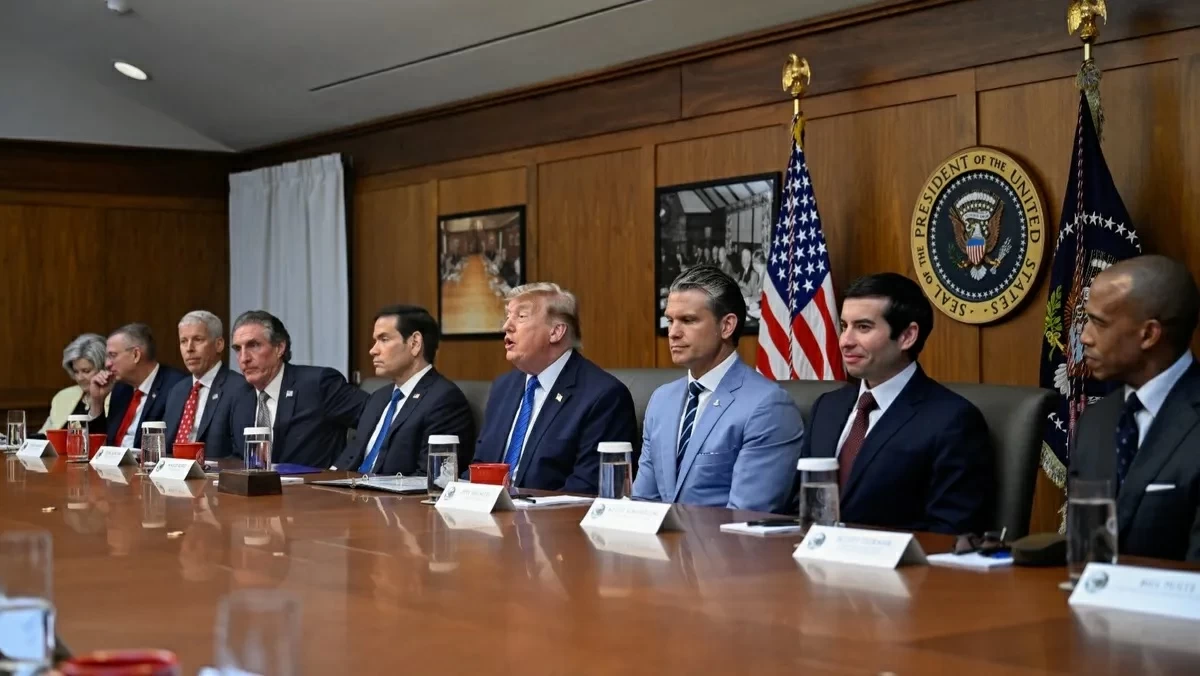
وطرحت الخطة خلال اجتماع للحكومة الأمريكية برئاسة ترمب في منتجع كامب ديفيد، (الجمعة)، وفق مصادر أُطلعت لاحقاً على المناقشات. وأفاد التقرير بأن مساعدين في البيت الأبيض يركزون على التداعيات السياسية أبدوا معارضة شديدة للخيار، في ظل مخاوف من ارتفاع أسعار الطاقة وتزايد كلفة الحرب. وكان البيت الأبيض أكد عقد اجتماع وزاري متلفز في كامب ديفيد (الجمعة).
توعد ترمب خلال الاجتماع، بضرب إيران «بقوة شديدة»، وقال إن هدف إدارته هو تحقيق النصر، بينما أعلنت وزارة الدفاع أنها مستعدة لتنفيذ توجيهات الرئيس فور صدورها، دون التعليق مسبقاً على الأهداف المحتملة.
وبحث مسؤولون أمريكيون كبار احتمال قطع الكهرباء عن طهران، لكن لم يُتخذ قرار بشأن هذا الخيار حتى عصر (الجمعة). ونقلت الشبكة عن مسؤول عسكري أمريكي سابق أن ضرب البنية التحتية للطاقة قد يهدف إلى تقليص قدرة المؤسسة العسكرية الإيرانية على تقديم الخدمات وإدارة العمليات.
مرحلة جديدة من الحرب
وتأتي الخطط بعد حملة أمريكية استمرت 13 ليلة متتالية خلال يوليو، واستهدفت مراكز قيادة عسكرية ومستودعات مسيّرات وشبكات اتصالات ومواقع مراقبة ساحلية وقدرات بحرية، بحسب القيادة المركزية الأمريكية.
وكان ترمب هدد سابقاً بضرب جسور ومحطات كهرباء إيرانية رداً على كل هجوم يستهدف السفن التجارية في مضيق هرمز. كما أعادت واشنطن فرض حصار على الموانئ الإيرانية بعد انهيار مذكرة تفاهم كانت تنص على وقف القتال وتأمين عبور السفن في المضيق.
خطة شاملة للرد
وفي أول رد إيراني على التقارير، نقلت وكالة تسنيم شبه الرسمية عن مسؤول إيراني وصفه الأنباء المتداولة بشأن احتمال شن الولايات المتحدة وإسرائيل هجوماً على أهداف مرتبطة بالطاقة في إيران بأنها «متهورة».
وأوضح المسؤول أن إيران أعدت خطة شاملة للرد على أي «تهور محتمل»، مشيراً إلى أن خطة الرد الإيرانية تتضمّن البنية التحتية الحيوية لإسرائيل وأمريكا في المنطقة.
ولا يعد استهداف قطاع الطاقة سابقة في هذه الحرب، إذ قصفت إسرائيل في مارس حقل جنوب فارس للغاز، قبل أن تطلب واشنطن وقف الهجمات الإضافية عليه، بعدما ردت إيران باستهداف منشآت للطاقة في دول خليجية وارتفعت أسعار النفط والغاز بصورة حادة.
وحتى الآن تظل الخطة، في إطار الاستعداد العسكري والتنسيق السياسي، ولا تعني أن الضربات أصبحت حتمية. إلا أن إدراج منشآت الطاقة ضمن بنك الأهداف يرفع مخاطر توسع الحرب، لما قد يترتب عليه من رد إيراني جديد واضطراب في إمدادات الطاقة والأسواق العالمية.
The United States and Israel are planning to launch extensive bombing campaigns against energy-related facilities in Iran, with informed sources suggesting that strikes could begin over the weekend or early next week, according to a report published by CBS News.
List of Potential Targets
According to the report, the list of potential targets includes power plants, refineries, and other facilities in the energy infrastructure, in an escalation that could shift the focus of confrontation from military sites to facilities that directly impact the Iranian economy and the ability of state institutions to function. However, U.S. President Donald Trump has not yet issued final orders to commence the operation.
Sources reported that Israel has been informed of the plans and is coordinating with Washington, while a spokesperson for the Israeli government did not respond to the network's request for comment. If the operation is carried out jointly, it would mark Israel's return to combat after halting its operations during the U.S.-brokered ceasefire.
Impact of Strikes on Markets
Officials discussed the possibility of ending the campaign before financial markets open on Monday, fearing that targeting energy facilities could affect the U.S. economy and global markets, but no final date for the operation or its duration has been set yet.
The plan was presented during a meeting of the U.S. government chaired by Trump at Camp David on Friday, according to sources later briefed on the discussions. The report indicated that aides in the White House focusing on the political ramifications expressed strong opposition to the option, amid concerns about rising energy prices and increasing war costs. The White House confirmed that a televised cabinet meeting took place at Camp David on Friday.
During the meeting, Trump vowed to strike Iran "very hard," stating that his administration's goal is to achieve victory, while the Department of Defense announced it is ready to implement the president's directives as soon as they are issued, without commenting in advance on potential targets.
Senior U.S. officials discussed the possibility of cutting electricity to Tehran, but no decision had been made on this option by Friday afternoon. The network quoted a former U.S. military official stating that striking energy infrastructure could aim to reduce the Iranian military's ability to provide services and manage operations.
A New Phase of War
The plans come after a 13-night consecutive U.S. campaign in July that targeted military command centers, drone warehouses, communication networks, coastal surveillance sites, and naval capabilities, according to U.S. Central Command.
Trump had previously threatened to strike Iranian bridges and power stations in response to any attacks targeting commercial vessels in the Strait of Hormuz. Washington also reimposed a blockade on Iranian ports after a memorandum of understanding that called for halting hostilities and securing the passage of ships in the strait collapsed.
Comprehensive Response Plan
In an initial Iranian response to the reports, the semi-official Tasnim news agency quoted an Iranian official describing the circulating news about the possibility of the U.S. and Israel launching an attack on energy-related targets in Iran as "reckless."
The official stated that Iran has prepared a comprehensive plan to respond to any "potential recklessness," indicating that the Iranian response plan includes critical infrastructure in Israel and the U.S. in the region.
Targeting the energy sector is not unprecedented in this war, as Israel bombed the South Pars gas field in March, before Washington requested a halt to further attacks on it, after Iran retaliated by targeting energy facilities in Gulf countries, leading to a sharp rise in oil and gas prices.
So far, the plan remains within the framework of military readiness and political coordination, and does not mean that strikes have become inevitable. However, including energy facilities in the target bank raises the risks of war expansion, given the potential for a new Iranian response and disruptions in energy supplies and global markets.