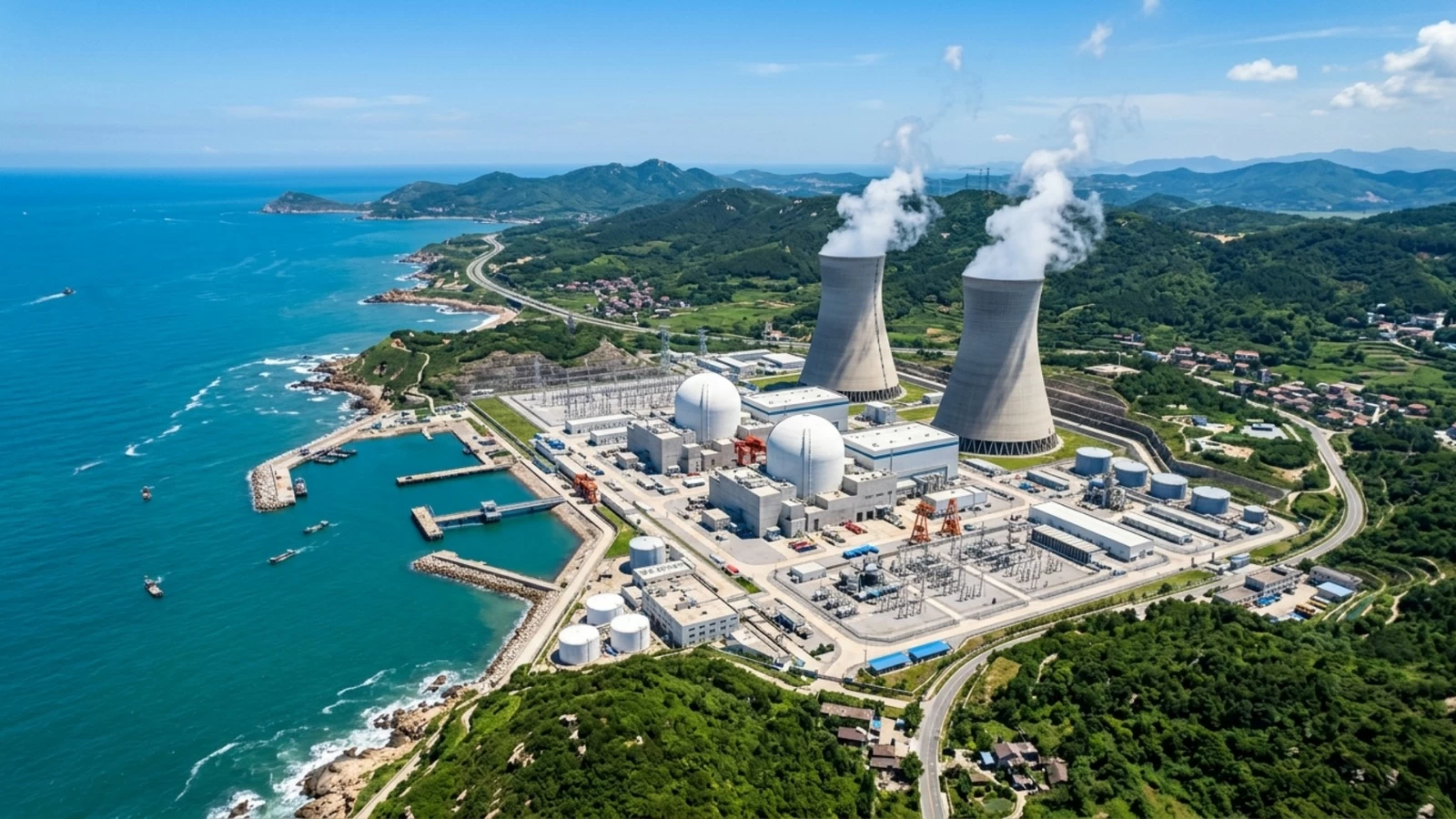
أقرت الحكومة الصينية بناء 8 مفاعلات نووية جديدة باستثمارات تتجاوز 170 مليار يوان (نحو 25.2 مليار دولار)، في خطوة تعكس تسارع استراتيجية بكين لتوسيع قدراتها النووية وتأمين إمدادات الكهرباء لمواكبة الطلب المتزايد على الطاقة.
توسع في 4 مقاطعات
وافق مجلس الدولة الصيني على تنفيذ المشاريع الجديدة في مقاطعات تشجيانغ، وقوانغدونغ، ولياونينغ، وشاندونغ، ضمن خطة تقودها شركات الطاقة المملوكة للدولة، ما يعزز مكانة الصين بوصفها أكبر سوق للطاقة النووية قيد التطوير في العالم.
وتأتي هذه الموافقة بعد عام شهد اعتماد بناء 10 مفاعلات جديدة، في إطار سياسة حكومية تستهدف تسريع الاستثمار في مصادر الطاقة منخفضة الانبعاثات وتعزيز أمن الطاقة.
رهان على الكهرباء المستقرة
ترى بكين أن الطاقة النووية تمثل مصدراً مستقراً للكهرباء يعمل على مدار الساعة، بما يدعم استقرار شبكة الكهرباء في ظل التوسع الكبير في مشاريع الطاقة الشمسية وطاقة الرياح، التي تتأثر بطبيعة الظروف المناخية.
ورغم تصدر الصين عالمياً في قدرات الطاقة المتجددة، فإنها تواصل الاستثمار في الطاقة النووية لضمان توفير إمدادات كهربائية مستقرة تخدم القطاعات الصناعية ومراكز البيانات والأنشطة كثيفة الاستهلاك للطاقة.
هدف 2030
تسعى الصين إلى رفع القدرة المركبة للطاقة النووية إلى 110 جيجاوات بحلول عام 2030، في إطار خطة طويلة الأجل تهدف إلى زيادة مساهمة الطاقة النووية في مزيج الطاقة الوطني وتقليل الاعتماد على الفحم.
وتملك الصين بالفعل أكبر برنامج لبناء المفاعلات النووية في العالم، مع عشرات الوحدات العاملة وأخرى قيد الإنشاء، بينما تستهدف خلال السنوات القادمة تجاوز الولايات المتحدة وفرنسا لتصبح أكبر منتج للطاقة النووية عالمياً.
تحديات التوسع
ورغم وتيرة البناء المتسارعة، لا تزال بكين تواجه تحديات في تحقيق أهدافها النووية، بعدما أخفقت سابقاً في بلوغ مستهدفات القدرة الإنتاجية لعامي 2020 و2025.
كما تأثر البرنامج النووي بتعليق الموافقات على المشاريع الجديدة عقب كارثة فوكوشيما اليابانية عام 2011، قبل أن تستأنف الصين التوسع تدريجياً، إلى جانب التأثيرات التي خلفتها اضطرابات سلاسل الإمداد خلال جائحة كورونا.
The Chinese government has approved the construction of 8 new nuclear reactors with investments exceeding 170 billion yuan (approximately 25.2 billion dollars), in a move that reflects the acceleration of Beijing's strategy to expand its nuclear capabilities and secure electricity supplies to meet the increasing demand for energy.
Expansion in 4 Provinces
The State Council of China has approved the implementation of new projects in the provinces of Zhejiang, Guangdong, Liaoning, and Shandong, as part of a plan led by state-owned energy companies, enhancing China's position as the largest developing nuclear energy market in the world.
This approval comes after a year that saw the adoption of the construction of 10 new reactors, as part of a government policy aimed at accelerating investment in low-emission energy sources and enhancing energy security.
Bet on Stable Electricity
Beijing sees nuclear energy as a stable source of electricity that operates around the clock, supporting the stability of the electricity grid amid the significant expansion of solar and wind energy projects, which are affected by the nature of climatic conditions.
Despite China's global leadership in renewable energy capacities, it continues to invest in nuclear power to ensure stable electricity supplies that serve industrial sectors, data centers, and energy-intensive activities.
2030 Goal
China aims to raise its installed nuclear power capacity to 110 gigawatts by 2030, as part of a long-term plan aimed at increasing the contribution of nuclear energy to the national energy mix and reducing reliance on coal.
China already has the largest nuclear reactor construction program in the world, with dozens of operational units and others under construction, while it aims in the coming years to surpass the United States and France to become the largest producer of nuclear energy globally.
Challenges of Expansion
Despite the rapid pace of construction, Beijing still faces challenges in achieving its nuclear goals, having previously failed to meet production capacity targets for 2020 and 2025.
The nuclear program was also affected by the suspension of approvals for new projects following the Fukushima disaster in Japan in 2011, before China gradually resumed expansion, alongside the impacts left by supply chain disruptions during the COVID-19 pandemic.