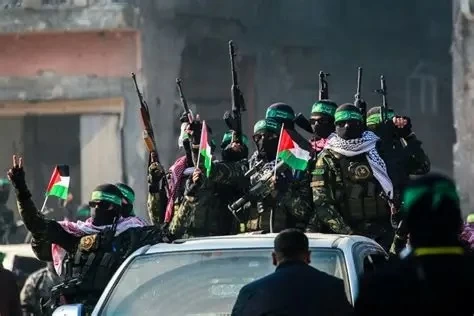
في تطور لافت قد يفتح الطريق أمام الانتقال إلى المرحلة التالية من ترتيبات وقف إطلاق النار في قطاع غزة، توصلت حركة حماس وفصائل فلسطينية إلى توافق بشأن مسودة تتناول للمرة الأولى بصورة تفصيلية آليات التعامل مع سلاح الفصائل، في إطار خطة أوسع تنص على حصر السلاح وتخزينه تدريجياً، وربط هذه العملية بانسحاب إسرائيلي متزامن من القطاع.
وتكشف المسودة، التي حصلت عليها وسائل إعلام ونوقشت خلال مفاوضات القاهرة والعلمين، أن العملية لا تقوم على تسليم الأسلحة إلى إسرائيل، وإنما على نقل السيطرة عليها إلى جهة فلسطينية، هي اللجنة الوطنية لإدارة غزة، التي ستكون الجهة الوحيدة المخولة بحصر الأسلحة وتخزينها وإدارتها داخل القطاع، بمشاركة الفصائل في إجراءات الحصر والتخزين وتحت رقابة دولية.
حصر وتخزين السلاح تدريجياً
وبموجب التفاهمات، من المقرر إعداد جدول زمني تفصيلي لتنفيذ عملية حصر السلاح خلال 14 يوماً، مع إمكانية تمديد المهلة بقرار من لجنة التحقق الدولية، على أن يتم تنفيذ العملية على مراحل، وبالتزامن مع خطوات الانسحاب الإسرائيلي، بما يحول دون اتخاذ إجراءات أحادية من أي طرف.
وتبدأ المرحلة الأولى، وفق المسودة، بالتعامل مع الأسلحة الثقيلة، ومواقع الإنتاج العسكري، ومستودعات الأسلحة والذخيرة، إلى جانب الأنفاق والبنية التحتية العسكرية. كما تتضمن الخطة تفكيك هذه البنية وإنهاء القدرات العسكرية للفصائل بصورة تدريجية، وصولاً إلى التحقق من عدم بقاء بنية عسكرية مسلحة في القطاع.
السيطرة الفلسطينية على السلاح
وفي المقابل، لا تنص الصيغة المتداولة على تسليم الأسلحة إلى إسرائيل أو إلى أي جهة غير فلسطينية، وهي نقطة تمثل أحد أبرز ملامح موقف حماس، حيث قال القيادي في الحركة وعضو وفدها المفاوض، غازي حمد، إن حماس لن تتخذ أي خطوة تتعلق بحصر أو تخزين السلاح قبل انسحاب إسرائيل من قطاع غزة، مؤكداً أن إدارة هذا الملف ستكون فلسطينية بالكامل.
ويرتبط تنفيذ الترتيبات الأمنية أيضاً بدخول اللجنة الوطنية لإدارة غزة إلى القطاع، وانتشار قوة الاستقرار الدولية، واستكمال الالتزامات المتبقية من اتفاق وقف إطلاق النار، إضافة إلى وجود مسار سياسي موثوق يقود إلى حق الفلسطينيين في تقرير المصير وإقامة دولة فلسطينية، بحسب نص المسودة التي نشرتها الجزيرة.
إنشاء شرطة فلسطينية جديدة
وتقترح الترتيبات كذلك إنشاء قوة شرطة فلسطينية جديدة تتولى مسؤولية الأمن الداخلي في القطاع، في حين تتولى قوة الاستقرار الدولية دعم تطبيق الاتفاق، وتراقب لجنة تحقق دولية مدى الالتزام ببنوده.
وأعلن الرئيس الأمريكي دونالد ترمب أن الاتفاق سيُنفذ على مراحل، بالتوازي مع انسحاب القوات الإسرائيلية ونشر قوة دولية للعمل مع الشرطة الفلسطينية الجديدة.
ومن بين أكثر الملفات حساسية في الاتفاق مسألة الأسلحة الخفيفة والشخصية؛ إذ لا تزال آلية التعامل معها غير محسومة بصورة نهائية في التفاهمات المعلنة، كما أن التفاصيل المتعلقة بالجدول الزمني الكامل لتنفيذ نزع السلاح ما زالت موضع تفاوض. وأشارت تقديرات أمريكية إلى أن العملية قد تمتد لنحو 200 إلى 320 يوماً، بينما لم تُحسم جميع التفاصيل المتعلقة بكيفية تنفيذها ميدانياً.
ربط الترتيبات الأمنية بمسار سياسي
وجاء التوافق الفلسطيني على صيغة التعامل مع السلاح بعد أشهر من الخلاف حول البند الخاص بسلاح المقاومة، والذي كان يمثل واحدة من أصعب العقبات أمام الانتقال إلى المرحلة الثانية من خطة غزة، حيث كانت حماس وفصائل أخرى قد رفضت في مراحل سابقة صيغاً تتحدث عن نزع السلاح أو تسليمه، وتمسكت بدلاً من ذلك بمفاهيم الحصر والجمع والتخزين تحت قيادة فلسطينية وربطها بالانسحاب الإسرائيلي والمسار السياسي.
ويضع التطور للمرة الأولى إطاراً عملياً للتعامل مع ملف سلاح الفصائل، بدلاً من الاكتفاء بالمطالبة بنزع السلاح بصورة عامة، إذ يجمع بين إدارة فلسطينية للسلاح، ورقابة دولية، وانسحاب إسرائيلي تدريجي، وإنشاء جهاز أمني فلسطيني جديد، إلى جانب ترتيبات للحكم الانتقالي وإعادة إعمار قطاع غزة.
In a notable development that may pave the way for moving to the next phase of the ceasefire arrangements in the Gaza Strip, Hamas and Palestinian factions have reached an agreement on a draft that for the first time details the mechanisms for dealing with the factions' weapons, as part of a broader plan that stipulates the gradual confinement and storage of weapons, linking this process to a simultaneous Israeli withdrawal from the sector.
The draft, which was obtained by media outlets and discussed during the Cairo and Alamein negotiations, reveals that the process does not involve handing over weapons to Israel, but rather transferring control over them to a Palestinian entity, which is the National Committee for the Management of Gaza, that will be the sole authority authorized to confine, store, and manage weapons within the sector, with the participation of the factions in the confinement and storage procedures under international supervision.
Gradual confinement and storage of weapons
According to the understandings, a detailed timeline is to be prepared for the implementation of the weapon confinement process within 14 days, with the possibility of extending the deadline by a decision from the international verification committee, with the operation to be carried out in phases, concurrently with Israeli withdrawal steps, to prevent any unilateral actions from either party.
The first phase, according to the draft, begins with dealing with heavy weapons, military production sites, weapon and ammunition depots, as well as tunnels and military infrastructure. The plan also includes dismantling this infrastructure and gradually ending the military capabilities of the factions, leading to verification that no armed military structure remains in the sector.
Palestinian control over weapons
In contrast, the circulated formula does not stipulate handing over weapons to Israel or to any non-Palestinian entity, which is a point that represents one of the most prominent features of Hamas's position. A leader in the movement and a member of its negotiating delegation, Ghazi Hamad, stated that Hamas will not take any step regarding the confinement or storage of weapons before Israel withdraws from the Gaza Strip, emphasizing that the management of this file will be entirely Palestinian.
The implementation of the security arrangements is also linked to the entry of the National Committee for the Management of Gaza into the sector, the deployment of an international stabilization force, and the completion of the remaining commitments from the ceasefire agreement, in addition to the existence of a reliable political track leading to the Palestinians' right to self-determination and the establishment of a Palestinian state, according to the text of the draft published by Al Jazeera.
Establishment of a new Palestinian police force
The arrangements also propose the establishment of a new Palestinian police force responsible for internal security in the sector, while the international stabilization force will support the implementation of the agreement, and an international verification committee will monitor compliance with its terms.
U.S. President Donald Trump announced that the agreement will be implemented in phases, in parallel with the withdrawal of Israeli forces and the deployment of an international force to work with the new Palestinian police.
Among the most sensitive issues in the agreement is the matter of light and personal weapons; as the mechanism for dealing with them has not yet been definitively settled in the announced understandings, and the details related to the complete timeline for disarmament are still under negotiation. U.S. estimates indicated that the process could extend for about 200 to 320 days, while not all details related to how it will be implemented on the ground have been finalized.
Linking security arrangements to a political track
The Palestinian agreement on the formula for dealing with weapons came after months of disagreement over the clause concerning resistance weapons, which represented one of the toughest obstacles to moving to the second phase of the Gaza plan, as Hamas and other factions had previously rejected formulas that spoke of disarmament or handing over weapons, insisting instead on concepts of confinement, collection, and storage under Palestinian leadership and linking it to Israeli withdrawal and the political track.
This development for the first time establishes a practical framework for dealing with the file of the factions' weapons, instead of merely calling for disarmament in general, as it combines Palestinian management of the weapons, international oversight, gradual Israeli withdrawal, and the establishment of a new Palestinian security apparatus, alongside arrangements for transitional governance and the reconstruction of the Gaza Strip.