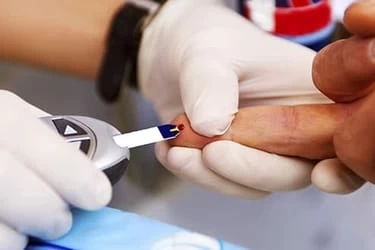
تُعد الفحوصات الطبية الدورية من أهم وسائل الوقاية والكشف المبكر عن الأمراض، إلا أن الحاجة إليها تختلف من شخص لآخر بحسب العمر، والحالة الصحية، والعوامل الوراثية ونمط الحياة.
وخلال الفحص الدوري، يراجع الطبيب التاريخ المرضي للمريض، ويقيّم عاداته الصحية، ويجري قياسات أساسية مثل الوزن والطول وضغط الدم، وقد يوصي بإجراء فحوصات إضافية وفقاً للحالة.
وفيما يلي أبرز الفحوصات التي ينصح الخبراء بالاهتمام بها وفق موقع PubMed:
قياس الطول والوزن
يساعد قياس الطول والوزن في حساب مؤشر كتلة الجسم (BMI)، وهو مؤشر مهم لتقييم الوزن الصحي، ويُسهم الحفاظ على مؤشر كتلة طبيعي في تقليل خطر الإصابة بأمراض القلب، والسكري من النوع الثاني، وبعض أنواع السرطان.
قياس ضغط الدم
يُعد ارتفاع ضغط الدم من أبرز عوامل خطر الإصابة بأمراض القلب والسكتات الدماغية، وغالباً لا يسبب أعراضاً واضحة، لذلك يُوصى بقياسه بانتظام بدءاً من سن 18 عاماً، على الأقل مرة كل عامين إذا كانت القراءات طبيعية، وبمعدل أكبر عند وجود ارتفاع في الضغط أو عوامل خطر أخرى.
فحص الكوليسترول
يساعد قياس مستويات الكوليسترول في الدم على تقييم خطر الإصابة بأمراض القلب والشرايين، ويُنصح بإجرائه كل 4 إلى 6 سنوات بعد سن العشرين، أو بوتيرة أكبر لمن لديهم تاريخ عائلي لأمراض القلب أو ارتفاع الكوليسترول، أو مرض السكري، أو زيادة في الوزن.
الكشف عن سرطان القولون والمستقيم
يُنصح للأشخاص ذوي الخطورة المتوسطة ببدء الفحص في سن 45 عاماً، مع تحديد نوع الفحص وتكراره وفقاً لتوصيات الطبيب، مثل اختبار الدم الخفي في البراز أو منظار القولون.
اختبار سكر الدم
يساعد في الكشف عن السكري أو مرحلة ما قبل السكري، ويُنصح بإجرائه بشكل روتيني ابتداءً من سن 45 عاماً، أو في سن أصغر لمن يعانون زيادة الوزن أو ارتفاع ضغط الدم أو ارتفاع الكوليسترول أو سبق لهن الإصابة بسكري الحمل.
فحص الجلد
يُنصح بفحص الجلد ذاتياً مرة شهرياً لملاحظة أي تغيرات في الشامات أو البقع الجلدية، مع مراجعة الطبيب عند ظهور أي تغير غير طبيعي، خصوصا لمن لديهم تاريخ شخصي أو عائلي للإصابة بسرطان الجلد.
قياس كثافة العظام
يساعد هذا الفحص في تشخيص هشاشة العظام، ويوصى به عادة للنساء بعد سن 65 عاماً، وللرجال بعد سن 70 عاماً، وقد يُطلب في سن أصغر عند وجود عوامل تزيد من خطر الإصابة، مثل الاستخدام الطويل للكورتيزون أو وجود كسور سابقة أو انخفاض الوزن بشكل ملحوظ.
تصوير الثدي بالأشعة (الماموغرام)
يُستخدم للكشف المبكر عن سرطان الثدي، وتختلف التوصيات بشأن العمر المناسب لبدء الفحص وعدد مرات إجرائه، لذلك يُنصح بمناقشة الأمر مع الطبيب بداية من سن الأربعين لتحديد الخطة المناسبة لكل سيدة.
فحص سرطان عنق الرحم
يشمل اختبار مسحة عنق الرحم (Pap smear)، وقد يتضمن أيضاً اختبار فايروس الورم الحليمي البشري (HPV)، ويُوصى ببدء مناقشة مواعيد الفحص مع الطبيب اعتباراً من سن 21 عاماً، وفقاً للعمر وعوامل الخطورة.
فحص البروستاتا
ينصح الرجال بمناقشة الحاجة إلى فحص البروستاتا مع الطبيب عند بلوغ سن 50 عاماً، أو في عمر أصغر إذا كان لديهم تاريخ عائلي للإصابة بسرطان البروستاتا أو عوامل خطر أخرى. وغالباً ما يشمل الفحص تحليل مستضد البروستاتا النوعي (PSA)، وقد يوصي الطبيب بفحوصات إضافية عند الحاجة.
فحص الأسنان
إلى جانب تنظيف الأسنان بالفرشاة والخيط يومياً، يُنصح بزيارة طبيب الأسنان مرة أو مرتين سنوياً للكشف المبكر عن تسوس الأسنان وأمراض اللثة وغيرها من مشكلات الفم.
الفحص الدوري.. استثمار في الصحة
ويؤكد الأطباء أن الالتزام بالفحوصات الوقائية يساهم في اكتشاف العديد من الأمراض في مراحلها المبكرة، ما يزيد فرص العلاج ويحد من المضاعفات.
ويظل تحديد الفحوصات المناسبة وعدد مرات إجرائها قراراً يعتمد على العمر، والحالة الصحية، والتاريخ العائلي، ويُتخذ بالتشاور مع الطبيب المعالج.
Regular medical check-ups are among the most important means of prevention and early detection of diseases; however, the need for them varies from person to person based on age, health status, genetic factors, and lifestyle.
During the periodic examination, the doctor reviews the patient's medical history, assesses their health habits, and conducts basic measurements such as weight, height, and blood pressure. They may also recommend additional tests based on the condition.
Below are the key examinations that experts recommend paying attention to, according to PubMed:
Height and Weight Measurement
Measuring height and weight helps calculate the Body Mass Index (BMI), which is an important indicator for assessing healthy weight. Maintaining a normal BMI contributes to reducing the risk of heart disease, type 2 diabetes, and certain types of cancer.
Blood Pressure Measurement
High blood pressure is one of the main risk factors for heart disease and strokes, and it often does not cause obvious symptoms. Therefore, it is recommended to measure it regularly starting at age 18, at least once every two years if readings are normal, and more frequently if there are elevated readings or other risk factors.
Cholesterol Screening
Measuring cholesterol levels in the blood helps assess the risk of heart and vascular diseases. It is recommended to conduct this test every 4 to 6 years after the age of twenty, or more frequently for those with a family history of heart disease, high cholesterol, diabetes, or overweight.
Colorectal Cancer Screening
Individuals at average risk are advised to start screening at age 45, with the type and frequency of the test determined according to the doctor's recommendations, such as a fecal occult blood test or a colonoscopy.
Blood Sugar Test
This test helps detect diabetes or prediabetes and is recommended to be done routinely starting at age 45, or at a younger age for those who are overweight, have high blood pressure, high cholesterol, or a history of gestational diabetes.
Skin Examination
It is recommended to perform a self-examination of the skin once a month to notice any changes in moles or skin spots, with a consultation with a doctor if any abnormal changes appear, especially for those with a personal or family history of skin cancer.
Bone Density Measurement
This examination helps diagnose osteoporosis and is usually recommended for women after age 65 and for men after age 70. It may be requested at a younger age if there are factors that increase the risk, such as long-term use of corticosteroids, previous fractures, or significant weight loss.
Breast Imaging (Mammogram)
This is used for the early detection of breast cancer, and recommendations regarding the appropriate age to start screening and the frequency of tests vary. Therefore, it is advisable to discuss this with a doctor starting at age forty to determine the appropriate plan for each woman.
Cervical Cancer Screening
This includes a Pap smear and may also involve testing for the human papillomavirus (HPV). It is recommended to start discussing screening schedules with a doctor from age 21, depending on age and risk factors.
Prostate Examination
Men are advised to discuss the need for a prostate examination with their doctor upon reaching age 50, or at a younger age if they have a family history of prostate cancer or other risk factors. The examination often includes a prostate-specific antigen (PSA) test, and the doctor may recommend additional tests if necessary.
Dental Check-Up
In addition to daily brushing and flossing, it is recommended to visit the dentist once or twice a year for early detection of tooth decay, gum disease, and other oral issues.
Regular Check-Ups.. An Investment in Health
Doctors emphasize that adhering to preventive examinations contributes to the early detection of many diseases, increasing treatment opportunities and reducing complications.
Determining the appropriate tests and their frequency remains a decision based on age, health status, and family history, and should be made in consultation with the treating physician.