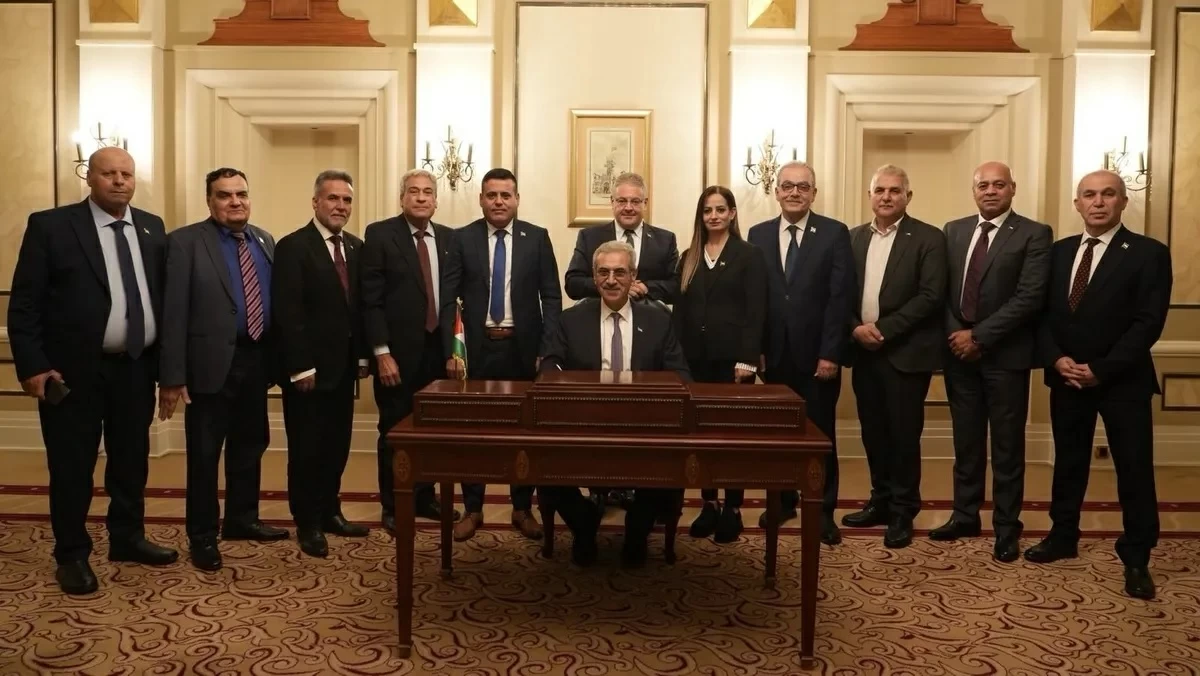
رحبت اللجنة الوطنية لإدارة غزة بالتقدم المُعلن بشأن خريطة الطريق لتنفيذ المراحل القادمة من اتفاق وقف إطلاق النار .
وأكدت اللجنة جاهزيتها الكاملة لتولي إدارة القطاع واستعادة الخدمات الأساسية، عقب إعلان "مجلس السلام" والدول الوسيطة موافقة حماس على خطة تنفيذية تتضمن نزعاً تدريجياً لسلاح الحركة والفصائل المسلحة الأخرى، بالتوازي مع انسحاب إسرائيلي من قطاع غزة.
وأعلنت اللجنة في بيان، اليوم الجمعة، أن الاتفاق يمثل "محطة مهمة" لسكان القطاع، مشيرة إلى أنها أنجزت استعدادات مؤسسية وتشغيلية واسعة لتولي إدارة غزة، تشمل إعادة تشغيل مؤسسات الإدارة العامة، واستعادة الخدمات الأساسية، وتعزيز سيادة القانون، وتسهيل وصول المساعدات الإنسانية، وقيادة جهود التعافي وإعادة الإعمار.
وأكدت اللجنة أن عملها يستند إلى مبدأ "سلطة واحدة وقانون واحد ومنظومة أمنية واحدة"، مع التركيز على تحسين الأوضاع الإنسانية، وإعادة بناء المؤسسات، وتهيئة بيئة داعمة للتنمية والفرص الاقتصادية، بالتنسيق مع مجلس السلام وقوة الاستقرار الدولية والشركاء الإقليميين والدوليين.
وكان "مجلس السلام" والدول الوسيطة، وهي مصر وقطر وتركيا والولايات المتحدة، أعلن التوصل إلى اتفاق يحدد آلية تنفيذ المرحلة التالية من وقف إطلاق النار، معتبراً أن خريطة الطريق تمثل "اختراقاً تاريخياً" لأنها تتضمن للمرة الأولى التزاماً رسمياً من حماس بخطة عملية للتخلي عن أسلحتها، مقابل انسحاب إسرائيلي تدريجي من القطاع.
وقال رئيس مجلس السلام نيكولاي ملادينوف، إن الاتفاق جاء بعد أشهر من المفاوضات، مشدداً على أن نجاحه مرهون بوجود آليات فعالة للتنفيذ والتحقق، وبالتزام جميع الأطراف بتنفيذ بنوده.
وفي المقابل، أكد مسؤولان في حركة حماس التوصل إلى اتفاق بشأن المرحلة الثانية من وقف إطلاق النار، موضحين أن السلاح سيُحصر بيد اللجنة الوطنية لإدارة غزة بإشراف مجلس السلام، إلى جانب انتقال إدارة القطاع إليها. كما يشمل الاتفاق انسحاباً إسرائيلياً تدريجياً، وزيادة تدفق المساعدات الإنسانية، ومعالجة ملف الموظفين العموميين.
بدوره، قال القيادي في الحركة غازي حمد إن عملية حصر وتخزين السلاح لن تبدأ قبل استكمال استحقاقات المرحلة الأولى وانسحاب القوات الإسرائيلية من القطاع، مؤكداً أن اللجنة الوطنية هي الجهة التي ستتولى هذه المهمة.
وأوضح مصدر مصري أن تنفيذ خطة حصر السلاح سيبدأ مع دخول اللجنة الوطنية إلى غزة وانتشار قوة الاستقرار الدولية، على أن تتزامن العملية مع بدء مرحلة التعافي المبكر وإعادة الإعمار، فيما تشمل خريطة الطريق لاحقاً تفكيك الأسلحة الثقيلة والأنفاق ومستودعات السلاح، وصولاً إلى حصر جميع الأسلحة بيد جهة فلسطينية واحدة وفق الإطار الدولي.
The National Committee for Gaza Management welcomed the announced progress regarding the roadmap for implementing the upcoming phases of the ceasefire agreement.
The committee confirmed its full readiness to take over the management of the sector and restore essential services, following the announcement by the "Peace Council" and the intermediary countries that Hamas agreed to an executive plan that includes a gradual disarmament of the movement and other armed factions, alongside an Israeli withdrawal from the Gaza Strip.
The committee announced in a statement today, Friday, that the agreement represents an "important milestone" for the residents of the sector, noting that it has completed extensive institutional and operational preparations to take over the management of Gaza, which includes restarting public administration institutions, restoring essential services, enhancing the rule of law, facilitating access to humanitarian aid, and leading recovery and reconstruction efforts.
The committee emphasized that its work is based on the principle of "one authority, one law, and one security system," focusing on improving humanitarian conditions, rebuilding institutions, and creating a supportive environment for development and economic opportunities, in coordination with the Peace Council, the International Stabilization Force, and regional and international partners.
The "Peace Council" and the intermediary countries, namely Egypt, Qatar, Turkey, and the United States, announced reaching an agreement that specifies the mechanism for implementing the next phase of the ceasefire, considering that the roadmap represents a "historic breakthrough" as it includes, for the first time, an official commitment from Hamas to a practical plan for relinquishing its weapons in exchange for a gradual Israeli withdrawal from the sector.
Peace Council Chairman Nikolai Mladenov stated that the agreement came after months of negotiations, stressing that its success depends on the existence of effective mechanisms for implementation and verification, and on the commitment of all parties to implement its provisions.
In contrast, two officials from Hamas confirmed reaching an agreement regarding the second phase of the ceasefire, clarifying that the weapons will be restricted to the National Committee for Gaza Management under the supervision of the Peace Council, alongside the transfer of management of the sector to it. The agreement also includes a gradual Israeli withdrawal, an increase in the flow of humanitarian aid, and addressing the issue of public employees.
For his part, Hamas leader Ghazi Hamad stated that the process of restricting and storing weapons will not begin until the completion of the requirements of the first phase and the withdrawal of Israeli forces from the sector, confirming that the National Committee is the entity that will undertake this task.
A source from Egypt clarified that the implementation of the weapon restriction plan will begin with the entry of the National Committee into Gaza and the deployment of the International Stabilization Force, with the process coinciding with the start of the early recovery and reconstruction phase, while the roadmap will later include the dismantling of heavy weapons, tunnels, and weapon depots, ultimately leading to the restriction of all weapons to one Palestinian entity according to the international framework.