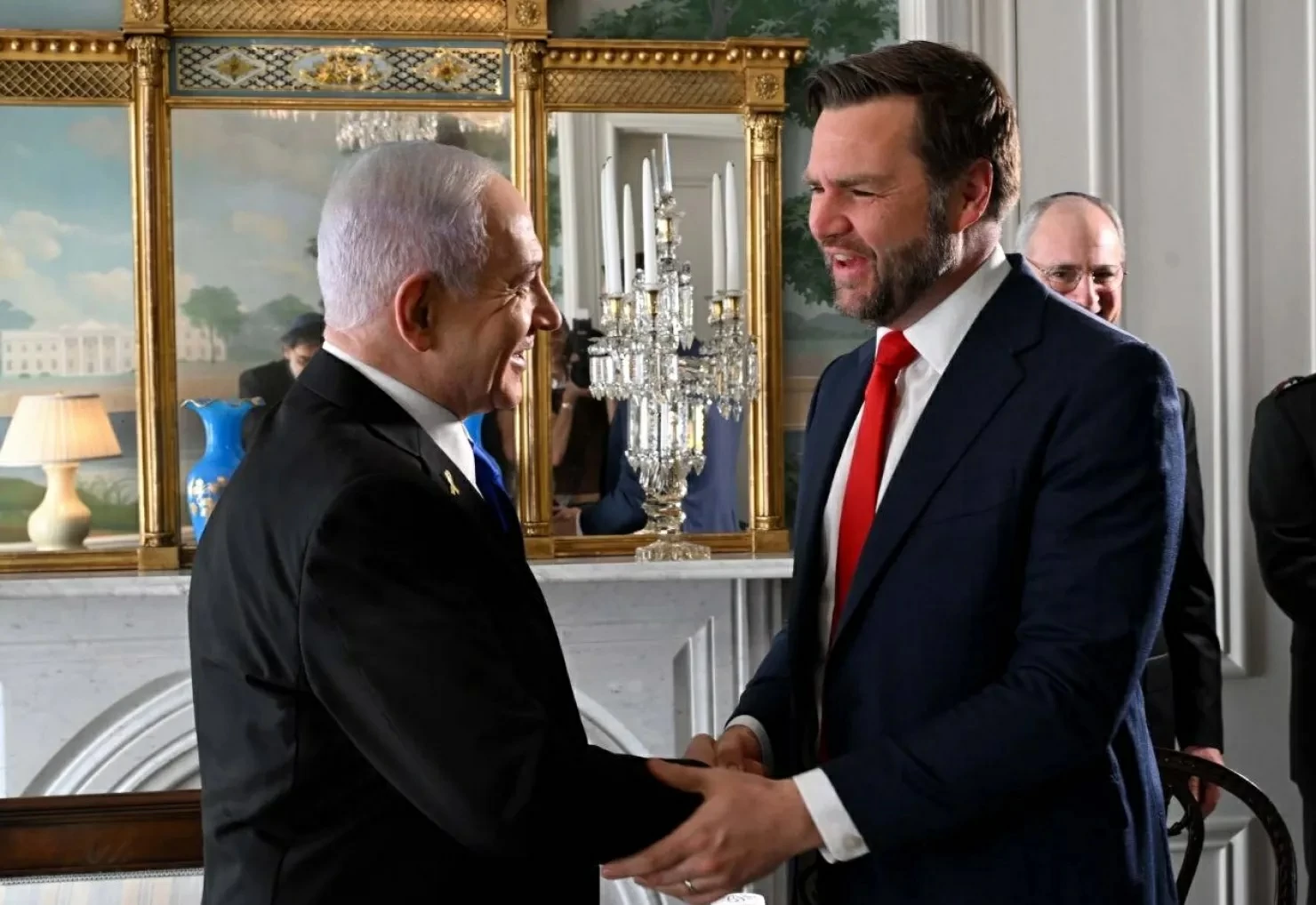
بعد انتقادات متواصلة طوال الأيام الماضية، عقد نائب الرئيس الأمريكي جي دي فانس ورئيس الوزراء الإسرائيلي بنيامين نتنياهو لقاء لمناقشة أسباب الخلاف بينهما.
ونقل موقع أكسيوس عن مسؤول إسرائيلي كبير قوله إن نتنياهو تحدث إلى فانس خلال اجتماعهما حول انتقاده الأخير للحكومة الإسرائيلية ومكانة إسرائيل بين الجمهوريين، موضحاً أن المحادثة كانت صريحة وشفافة. بدوره، قال مسؤول أمريكي للموقع إن المحادثة كانت مباشرة حول خلافاتهما، وبحسب الموقع فإن التوترات بين الرجلين كانت تتصاعد في الخفاء، إذ لم يكن نتنياهو راضياً عن انتقادات فانس العلنية له، وفي الوقت نفسه اعتقد فانس أن نتنياهو كان ينشر معاونيه وحلفاءه في وسائل الإعلام المؤيدة له في إسرائيل والولايات المتحدة لمهاجمته وتقويض مكانته السياسية.
وأفاد الموقع بأنه مع استمرار الصراع، اضطلع فانس بدور أكبر في سياسات الحرب والمفاوضات مع إيران، وتُوِّجت جهوده بمذكرة التفاهم الأمريكية الإيرانية، التي دافع عنها فانس بقوة، بينما عارض نتنياهو الاتفاق، لكنه لم يُعلن معارضته علنًا، على أمل أن ينهار من تلقاء نفسه، وهو ما حدث بالفعل بعد عدة أسابيع.
وأشار موقع إكسيوس إلى أن فانس وجه تحذيراً علنياً في يونيو الماضي لأعضاء الحكومة الإسرائيلية الذين كانوا يهاجمون الاتفاق مع إيران، قائلاً: «لو كنتُ في حكومة إسرائيل، لما هاجمتُ الحليف القوي الوحيد المتبقي لي في العالم أجمع».
واتهم فانس الشهر الماضي بعض أعضاء الحكومة الإسرائيلية بشن حملة نفوذ لدفع الولايات المتحدة بعيداً عن الدبلوماسية وإطالة أمد الحرب.
من ناحية أخرى، التقى نتنياهو بوزير الدفاع الأمريكي بيت هيغسيث وأربعة من أعضاء مجلس الشيوخ من الحزبين، وقادة منظمة إيباك.
After continuous criticism over the past few days, U.S. Vice President J.D. Vance and Israeli Prime Minister Benjamin Netanyahu held a meeting to discuss the reasons for their disagreements.
Axios reported that a senior Israeli official stated that Netanyahu spoke to Vance during their meeting about his recent criticism of the Israeli government and Israel's standing among Republicans, clarifying that the conversation was candid and transparent. For his part, an American official told the site that the conversation was direct regarding their differences, and according to the site, tensions between the two men had been escalating behind the scenes, as Netanyahu was not pleased with Vance's public criticisms of him, while at the same time, Vance believed that Netanyahu was deploying his aides and allies in pro-Netanyahu media in Israel and the United States to attack him and undermine his political standing.
The site reported that as the conflict continued, Vance took on a larger role in war policies and negotiations with Iran, culminating in the U.S.-Iran memorandum of understanding, which Vance strongly defended, while Netanyahu opposed the agreement but did not publicly announce his opposition, hoping it would collapse on its own, which indeed happened after several weeks.
Axios noted that Vance issued a public warning last June to Israeli government members who were attacking the agreement with Iran, saying, "If I were in the Israeli government, I would not attack the only remaining strong ally I have in the whole world."
Last month, Vance accused some members of the Israeli government of launching a lobbying campaign to push the United States away from diplomacy and prolong the war.
On the other hand, Netanyahu met with U.S. Defense Secretary Pete Hegseth and four bipartisan senators, as well as leaders of the AIPAC organization.