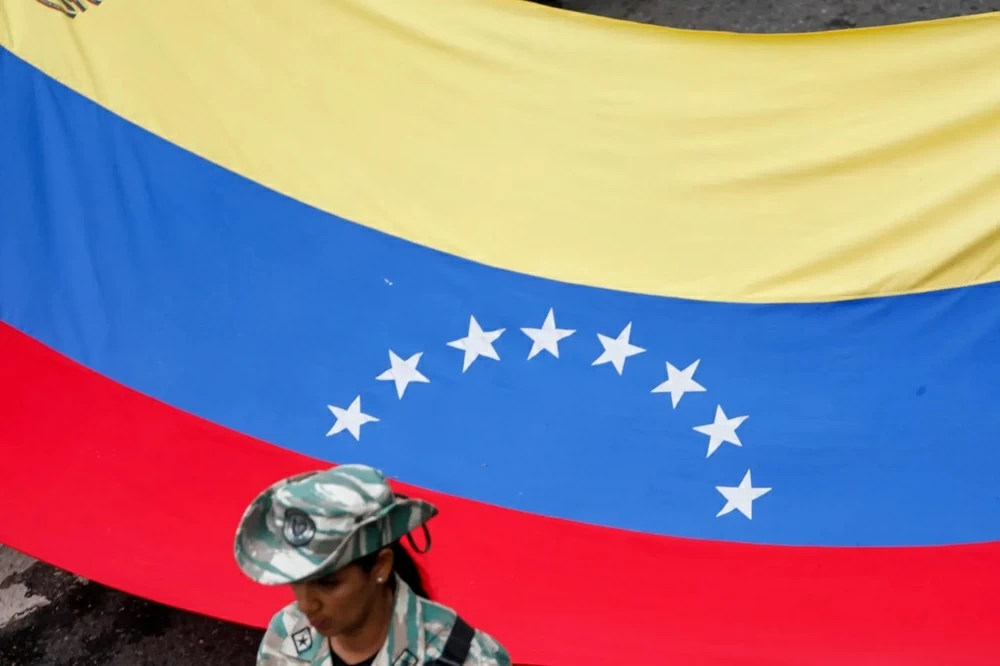
استدعت الحكومة الفنزويلية السفير الإيراني لدى كاراكاس، وسلمته مذكرة احتجاج رسمية على خلفية تصريحات أدلى بها وزير الخارجية الإيراني عباس عراقجي، وصفتها بأنها «مستهجنة وغير لائقة» وتمس مؤسسات الدولة والسلطات الفنزويلية.
وقالت وزارة الخارجية الفنزويلية، في بيان نشرته عبر منصات التواصل الاجتماعي، إن السفير الإيراني استُدعي إلى مقر الوزارة لتسلم مذكرة احتجاج بشأن ما وصفته بـ«التصريحات المهينة وغير المناسبة» التي استهدفت مؤسسات الدولة والسلطات الفنزويلية.
ولم توضح الحكومة الفنزويلية التصريحات التي أثارت الأزمة، إلا أن مقاطع فيديو متداولة أظهرت وزير الخارجية الإيراني عباس عراقجي يقول إن «إيران ليست فنزويلا» في معرض حديثه عن المفاوضات مع الولايات المتحدة، وهو ما اعتبرته كاراكاس إساءة إلى البلاد.
ويعد هذا التطور مؤشراً على توتر غير معتاد في العلاقات بين البلدين، اللذين حافظا على تحالف سياسي واقتصادي وثيق منذ وصول الرئيس الفنزويلي الراحل هوغو تشافيز إلى السلطة عام 1999.
وخلال العقود الثلاثة الماضية، عززت فنزويلا وإيران تعاونهما في مجالات الطاقة والتعدين والصحة والتعليم، مستفيدتين من تقارب مواقفهما السياسية، ولا سيما معارضتهما للسياسات الأمريكية.
وفي عام 2020، أرسلت إيران نحو 1.5 مليون برميل من البنزين إلى فنزويلا لمساعدتها على مواجهة أزمة الوقود، بعدما تراجعت قدرة البلاد على تكرير النفط بسبب الأزمة الاقتصادية الحادة.
كما قدمت طهران، في عام 2025، أكثر من مليوني جرعة من لقاحات شلل الأطفال والتهاب الكبد، في وقت كانت فنزويلا تواجه صعوبات في استيراد الأدوية نتيجة العقوبات الأمريكية.
ويأتي هذا الخلاف في وقت تشهد فيه فنزويلا تطورات سياسية متسارعة، إذ تشير المعطيات الواردة في المصدر إلى احتمال أن تتبنى الحكومة الانتقالية الجديدة نهجاً أكثر تقارباً مع الولايات المتحدة، بما قد ينعكس على طبيعة علاقاتها مع إيران.
ومن المنتظر أن تبدأ، في الأول من أغسطس، مفاوضات لتشكيل حكومة فنزويلية جديدة تحت إشراف الولايات المتحدة، في خطوة قد تعيد رسم ملامح السياسة الخارجية للبلاد وتحالفاتها الإقليمية والدولية.
The Venezuelan government summoned the Iranian ambassador to Caracas and handed him an official protest note following statements made by Iranian Foreign Minister Abbas Araghchi, which it described as "unacceptable and inappropriate" and that touch upon state institutions and Venezuelan authorities.
The Venezuelan Foreign Ministry stated in a statement published on social media platforms that the Iranian ambassador was summoned to the ministry's headquarters to receive a protest note regarding what it described as "offensive and inappropriate statements" targeting state institutions and Venezuelan authorities.
The Venezuelan government did not clarify the statements that triggered the crisis, but circulating video clips showed Iranian Foreign Minister Abbas Araghchi saying that "Iran is not Venezuela" in the context of discussing negotiations with the United States, which Caracas considered an insult to the country.
This development is an indicator of unusual tension in the relations between the two countries, which have maintained a close political and economic alliance since the late Venezuelan President Hugo Chávez came to power in 1999.
Over the past three decades, Venezuela and Iran have strengthened their cooperation in the fields of energy, mining, health, and education, benefiting from the convergence of their political positions, particularly their opposition to U.S. policies.
In 2020, Iran sent about 1.5 million barrels of gasoline to Venezuela to help it cope with the fuel crisis, after the country's ability to refine oil declined due to the severe economic crisis.
Tehran also provided, in 2025, more than two million doses of polio and hepatitis vaccines, at a time when Venezuela was facing difficulties in importing medicines due to U.S. sanctions.
This dispute comes at a time when Venezuela is witnessing rapid political developments, as data from the source indicates that the new transitional government may adopt a more conciliatory approach with the United States, which could reflect on the nature of its relations with Iran.
Negotiations to form a new Venezuelan government under U.S. supervision are expected to begin on August 1, in a step that could reshape the country's foreign policy and its regional and international alliances.