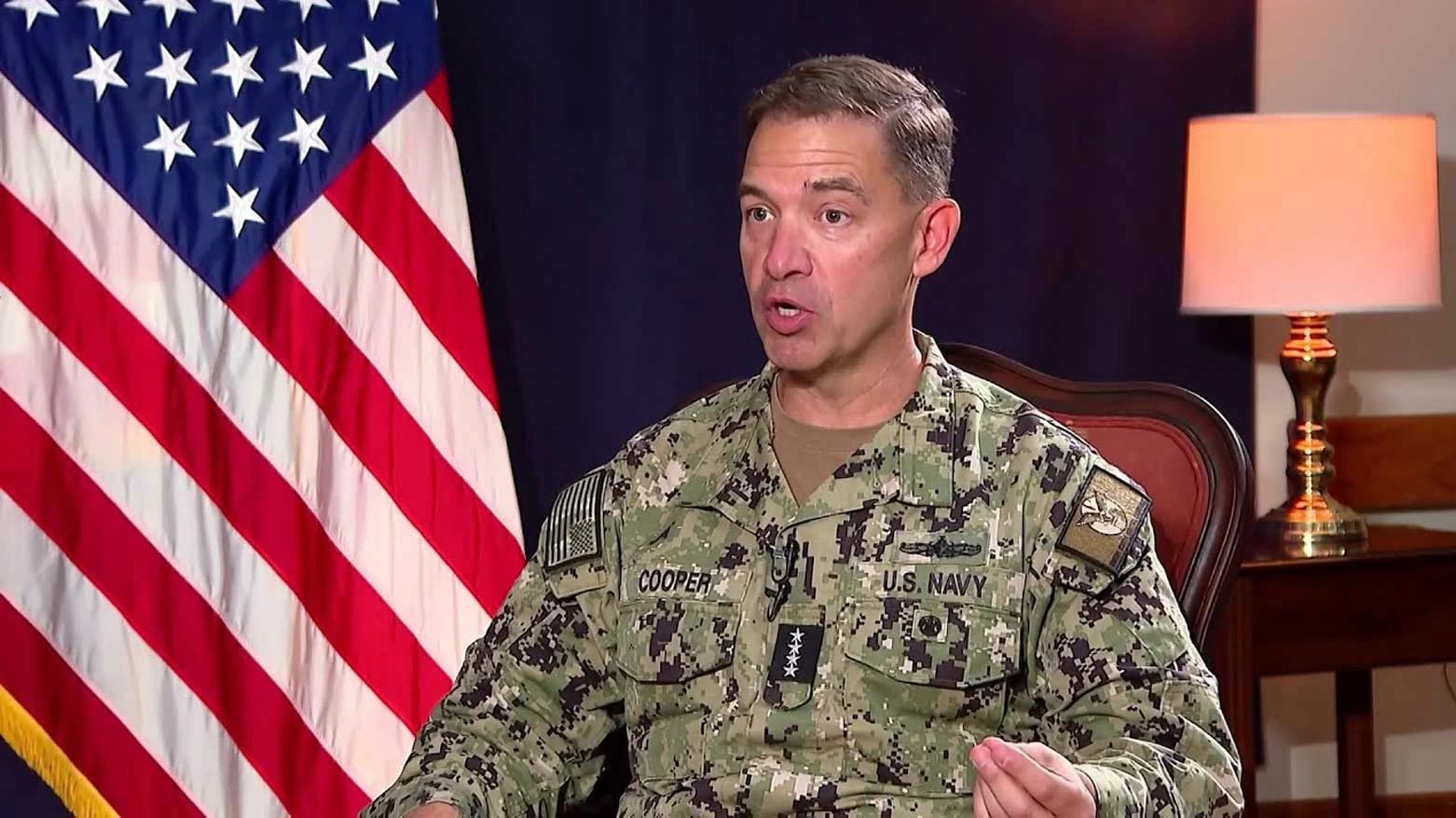
حذّر قائد القيادة المركزية الأمريكية الأميرال براد كوبر جنوده من أن نشر مقاطع فيديو مصورة بالهواتف المحمولة على الإنترنت يمكن أن يساعد إيران في استهداف القواعد الأمريكية. ونقلت «رويترز» عن مصادر قولها: إنه قد يتم قريباً إصدار أوامر لبعض العسكريين في المنطقة بتسليم هواتفهم.
واعتبرت المصادر أن أي خطوة لتقييد استخدام الهواتف المحمولة من شأنها أن تضيف بعداً جديداً للصراع بالنسبة لآلاف الجنود الأمريكيين في الشرق الأوسط، ولا يزال الكثير منهم يعتمدون على الهواتف للتواصل مع ذويهم وطمأنتهم على أحوالهم.
وقال أعلى قائد أمريكي في الشرق الأوسط، في رسالة لم ترد تقارير بشأنها من قبل، إن إيران تستفيد من قدرتها على متابعة نجاح أو فشل ضرباتها بشكل شبه فوري من خلال متابعة التقارير الإخبارية أو منشورات الصحفيين على الإنترنت التي تشير إلى «ردود الفعل والصور ومقاطع الفيديو الملتقطة بهواتف جنودنا».
وفي رسالته بتاريخ 28 يوليو، حصلت رويترز على نسخة منها، قال كوبر «الكلفة المباشرة التي لا مفر منها لهذه المعلومات الاستخباراتية المستمدة من المصادر المفتوحة قد تكون أرواح الجنود الأمريكيين والمدنيين المقيمين في دول الخليج المستهدفة».
ودعا القوات إلى «مضاعفة تركيزنا على أمن العمليات»، دون تحديد خطوات محددة في المذكرة.
ويسلط التحذير الضوء على التعارض المتزايد بين متطلبات التغطية الإخبارية الآنية للحرب، والتي غالبا ما تكون مدعومة بصور الأقمار الصناعية وروايات الشهود، ورغبة الجيش الأمريكي في تقييد أي معلومات يمكن أن تساعد إيران في محاولتها استهداف القوات الأمريكية.
وأفاد مصدران مطلعان للوكالة بأنه جرى إبلاغ بعض الجنود في الأردن، الذي يشهد غارات إيرانية متكررة، بأنه ستتم مصادرة هواتفهم في الأيام القادمة.
وأكد مصدر ثالث إن مثل هذه الخطوة قيد الدراسة في المنطقة بسبب مخاوف تتعلق بأمن العمليات، لكنه لم يتحدث عن مصادرة الهواتف باعتبارها أمراً مؤكداً.
من جانبه، اعتبر المتحدث باسم القيادة المركزية الأمريكية تيموثي هوكينز «الرسالة بمثابة تذكير عام لأفراد قواتنا المسلحة بأهمية الحفاظ على أمن العمليات. وهذه إحدى الفرص العديدة التي استغلها الأميرال كوبر لتوضيح الأولويات العملياتية».
The commander of the U.S. Central Command, Admiral Brad Cooper, warned his troops that posting videos filmed on mobile phones online could help Iran target U.S. bases. Reuters reported that sources said orders may soon be issued for some military personnel in the region to surrender their phones.
Sources considered that any step to restrict the use of mobile phones would add a new dimension to the conflict for thousands of American soldiers in the Middle East, many of whom still rely on phones to communicate with their families and reassure them about their well-being.
The highest-ranking American commander in the Middle East stated, in a message that had not been previously reported, that Iran benefits from its ability to monitor the success or failure of its strikes almost instantly by following news reports or posts from journalists online that refer to "reactions, images, and videos captured by our soldiers' phones."
In his message dated July 28, which Reuters obtained a copy of, Cooper said, "The unavoidable direct cost of this intelligence derived from open sources could be the lives of American soldiers and civilians residing in targeted Gulf states."
He urged the troops to "double our focus on operational security," without specifying particular steps in the memo.
The warning highlights the increasing conflict between the demands for real-time news coverage of the war, which is often supported by satellite imagery and eyewitness accounts, and the U.S. military's desire to restrict any information that could assist Iran in its attempts to target American forces.
Two informed sources told the agency that some soldiers in Jordan, which has been experiencing repeated Iranian strikes, have been informed that their phones will be confiscated in the coming days.
A third source confirmed that such a step is under consideration in the region due to concerns related to operational security, but did not speak about the confiscation of phones as a certainty.
For his part, U.S. Central Command spokesperson Timothy Hawkins considered "the message a general reminder to our armed forces of the importance of maintaining operational security. This is one of the many opportunities Admiral Cooper has taken to clarify operational priorities."