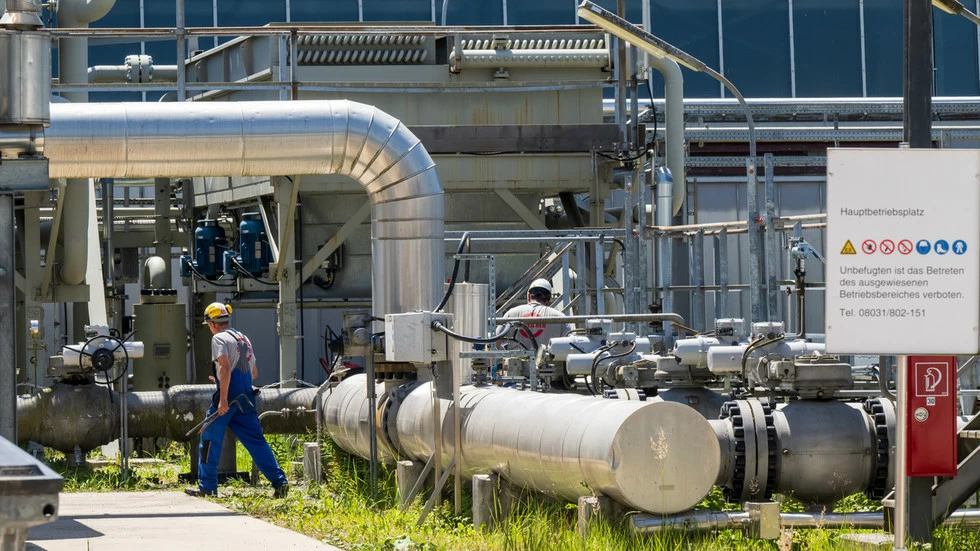
سجلت احتياطيات الغاز في ألمانيا وهولندا انخفاضاً قياسياً، مما يعكس الضغوط المستمرة على أسواق الطاقة الأوروبية، إذ وصلت مستويات التخزين إلى أدنى معدلاتها مع اقتراب موسم التدفئة الشتوي.
هبوط الخزانات
ووفقاً لبيانات رابطة مشغلي البنية التحتية للغاز في أوروبا، بلغ حجم الغاز المخزن في ألمانيا حتى نهاية 26 يوليو الجاري نحو 10.1 مليار متر مكعب، بنسبة امتلاء 46.19%، وهي الأدنى منذ بدء الرصد. أما في هولندا، فتراجعت نسبة الامتلاء إلى 35.34% مع وجود نحو 4.5 مليار متر مكعب، وهو أدنى مستوى منذ بدء جمع البيانات في 2011.
وفي بلجيكا، انخفضت نسبة امتلاء مخازن الغاز إلى 32.14%، بإجمالي 0.22 مليار متر مكعب، وهو أدنى مستوى يسجل في هذا الوقت من العام منذ 2015. وعلى مستوى الاتحاد الأوروبي، بلغ متوسط امتلاء مرافق تخزين الغاز حتى 26 يوليو نحو 55.66% من إجمالي السعة التخزينية، بما يعادل 55.86 مليار متر مكعب، وهو أدنى مستوى يسجل منذ 2021، ويقل بنحو 16 نقطة مئوية عن متوسط السنوات الخمس الماضية.
ارتفاع المنافسة
تأتي هذه التغيرات في ظل سعي الدول الأوروبية لإعادة ملء مخازنها استعداداً لفصل الشتاء، وسط استمرار عدم اليقين في أسواق الطاقة العالمية وارتفاع المنافسة على شحنات الغاز الطبيعي المسال. وقد دفعت هذه الظروف دول الاتحاد الأوروبي إلى تنويع مصادر وارداتها وتعزيز الاعتماد على الغاز المسال والطاقة المتجددة.
وشهدت أوروبا خلال أزمة الطاقة في 2022 و2023 ارتفاعات قياسية في أسعار الغاز والكهرباء، مما دفع الحكومات إلى إطلاق برامج دعم واسعة لتحسين كفاءة التخزين وتجنب الأزمات في مواسم الشتاء القادمة.
Gas reserves in Germany and the Netherlands have recorded a historic decline, reflecting the ongoing pressures on European energy markets, as storage levels have reached their lowest rates with the winter heating season approaching.
Tank Decline
According to data from the European Gas Infrastructure Operators Association, the volume of gas stored in Germany as of the end of July 26 reached about 10.1 billion cubic meters, with a filling rate of 46.19%, the lowest since monitoring began. In the Netherlands, the filling rate dropped to 35.34% with about 4.5 billion cubic meters, the lowest level since data collection started in 2011.
In Belgium, the filling rate of gas storage has decreased to 32.14%, totaling 0.22 billion cubic meters, the lowest level recorded at this time of year since 2015. Across the European Union, the average filling of gas storage facilities as of July 26 was about 55.66% of total storage capacity, equivalent to 55.86 billion cubic meters, the lowest level recorded since 2021, and about 16 percentage points lower than the average of the past five years.
Increased Competition
These changes come amid European countries' efforts to refill their storage in preparation for winter, amidst ongoing uncertainty in global energy markets and increased competition for liquefied natural gas shipments. These conditions have driven EU countries to diversify their import sources and enhance reliance on LNG and renewable energy.
Europe experienced record increases in gas and electricity prices during the energy crisis of 2022 and 2023, prompting governments to launch extensive support programs to improve storage efficiency and avoid crises in upcoming winter seasons.