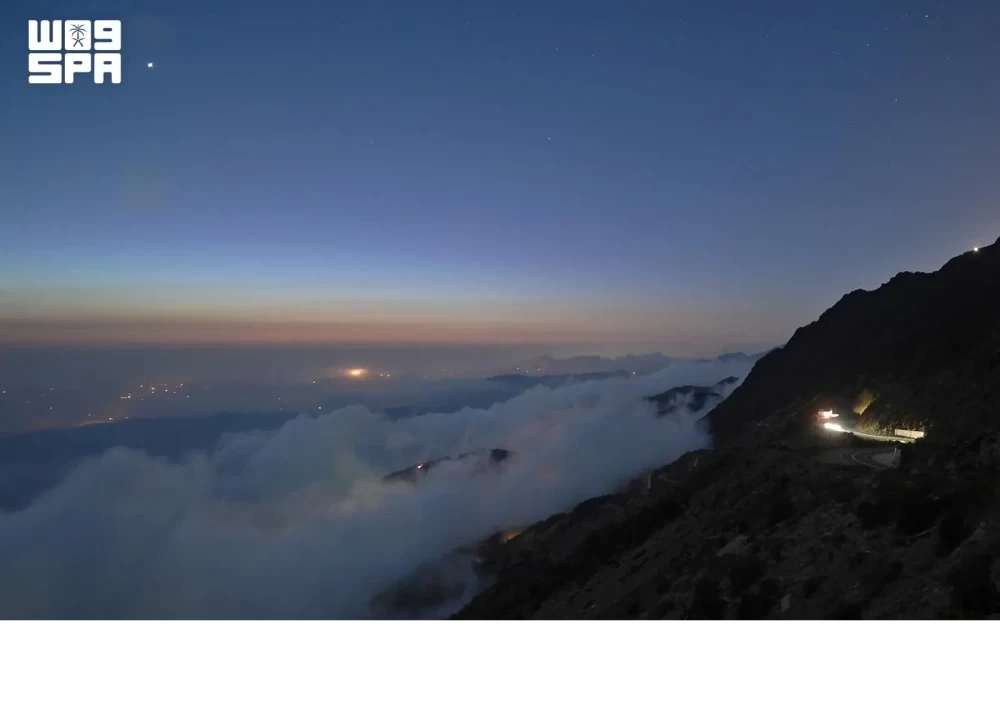
شهدت منطقة عسير، اليوم، طلوع نجم سُهيل في الأفق الجنوبي، في حدث فلكي موسمي يُعد من أبرز العلامات التي ارتبطت في الموروث المحلي ببداية مرحلة من اعتدال الأجواء، واقتراب موسم الأمطار، واستعداد المزارعين لموسم زراعي جديد.
وأوضح الباحث عبدالله علي آل موسى أن منطقة عسير تُعد من أوائل مناطق المملكة التي يظهر فيها نجم سُهيل، مبيناً أن أهالي المناطق الجنوبية يعتمدون في حساب النجوم على وقت غروبها.
وأشار إلى أن موسم سُهيل في عسير يبدأ في 29 يوليو ويستمر 13 يوماً، ويقع في منتصف فصل الصيف الذي يُعرف محلياً باسم «الخريف»، ويقابله في العرف الفلكي نجم الذراع، وفي التقويم النجدي المرزم والكلبين.
وأضاف أن هذا الموسم يتميز بكثرة الأمطار والضباب، ويُعرف لدى الأهالي باسم «غطاط سُهيل»، إذ يُستدل على دخوله بتكاثف الضباب باتجاه تهامة، لا سيما على المرتفعات المطلة عليها، لافتاً إلى أن الموروث الشعبي يصفه بأنه من أكثر مواسم العام مطراً، وهو ما انعكس في عدد من الأمثال الشعبية، منها: «سُهيل أبو المطر والسيل» و«سُهيل مرخص الكيل»، في إشارة إلى ما يحققه هطول الأمطار من وفرة في المحاصيل الزراعية.
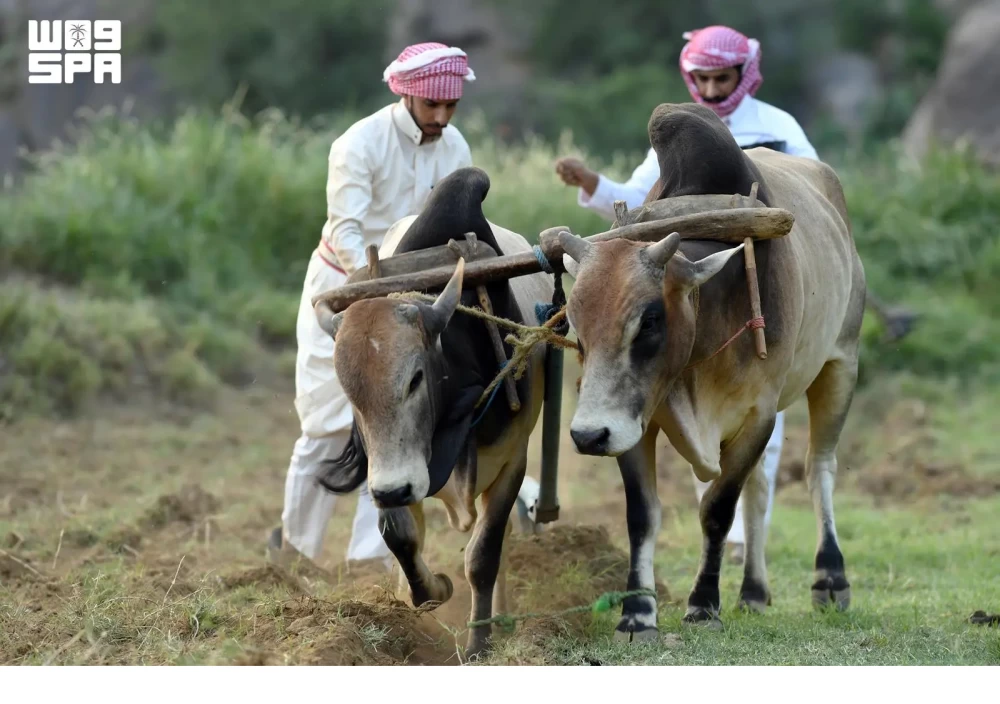
وبيّن آل موسى أن طلوع سُهيل يمثل محطة مهمة للمزارعين، إذ تنضج خلاله غالبية الفواكه الموسمية، فيما تدخل محاصيل الذرة مرحلة تكوين السنابل، وهو ما يجعل الموسم مؤشراً زراعياً مهماً ارتبط به الأهالي عبر الأجيال.
وأكد أن ارتباط العرب بطلوع نجم سُهيل جاء نتيجة الملاحظة والخبرة المتراكمة في معرفة المواسم والتغيرات المناخية، وليس اعتقاداً بتأثير النجوم في الكون.
ويُعد موسم سُهيل من أبرز المواسم الطبيعية في منطقة عسير، لما يصاحبه من اعتدال تدريجي في درجات الحرارة، وتزايد فرص هطول الأمطار، واكتساء المرتفعات بالخضرة، بما يعزز النشاط الزراعي والسياحي، ويجسد ارتباط الإنسان بالبيئة والخبرة المتوارثة في قراءة المواسم والظواهر الطبيعية.
Today, the Asir region witnessed the rising of the star Suhail in the southern horizon, in a seasonal astronomical event that is considered one of the most prominent signs associated in local heritage with the beginning of a phase of mild weather, the approach of the rainy season, and farmers' preparation for a new agricultural season.
Researcher Abdullah Ali Al-Mousa explained that the Asir region is one of the first areas in the Kingdom where the star Suhail appears, noting that the people of the southern regions rely on the time of its sunset for their star calculations.
He pointed out that the Suhail season in Asir begins on July 29 and lasts for 13 days, falling in the middle of summer, which is locally known as "Al-Kharif," and is associated in astronomical terms with the star Al-Dharra, and in the Najdi calendar with Al-Marzam and the two dogs.
He added that this season is characterized by heavy rains and fog, and is known among the locals as "Ghatat Suhail," as its arrival is indicated by the thickening of fog towards Tihama, especially on the highlands overlooking it, noting that the popular heritage describes it as one of the rainiest seasons of the year, which is reflected in several proverbs, including: "Suhail, the father of rain and floods" and "Suhail, the measure of abundance," referring to the abundance of agricultural crops brought about by rainfall.
Al-Mousa indicated that the rising of Suhail represents an important milestone for farmers, as most seasonal fruits ripen during this time, while corn crops enter the stage of ear formation, making the season an important agricultural indicator that has been linked to the locals across generations.
He emphasized that the Arabs' connection to the rising of the star Suhail came as a result of observation and accumulated experience in understanding seasons and climatic changes, rather than a belief in the influence of stars on the universe.
The Suhail season is considered one of the most prominent natural seasons in the Asir region, due to the gradual moderation in temperatures, the increasing chances of rainfall, and the greening of the highlands, which enhances agricultural and tourism activities, embodying the connection between humans and the environment and the inherited knowledge in reading seasons and natural phenomena.