في أول تراجع ملحوظ لوتيرة القصف منذ نحو أسبوعين، ساد هدوء نسبي المواجهة العسكرية بين الولايات المتحدة وإيران خلال الساعات الماضية، لكن التوتر لا يزال يخيم على المنطقة مع إعلان الرئيس الأمريكي دونالد ترمب، أنه يبحث خيارات تصعيد العمليات العسكرية.
وللمرة الأولى منذ نحو أسبوعين، لم تعلن القوات الأمريكية تنفيذ ضربات جوية جديدة ضد إيران خلال الليل، فيما أكد متحدث باسم وزارة الصحة الإيرانية عبر وسائل التواصل الاجتماعي عدم تسجيل أي هجمات أو خسائر بشرية جديدة.
ونقلت وكالة «رويترز» عن مصادر سياسية تأكيدها أن باكستان تستكشف مسارا لاستئناف المحادثات المتعثرة بين الولايات المتحدة وإيران حول إنهاء الحرب، في إطار مسعى بادرت به الصين.
وكشفت ثلاثة مصادر باكستانية أن هناك محادثات استكشافية جرت خلال زيارة وزير الداخلية الإيراني إسكندر مؤمني، إلى إسلام آباد الأسبوع الماضي، وهي زيارته الثانية في غضون عشرة أيام.
ورغم الانخفاض المؤقت في وتيرة العمليات العسكرية، فإن المخاوف من اندلاع تصعيد جديد لا تزال قائمة، بحسب تقرير أوردته صحيفة «نيويورك تايمز».
ونقلت عن أربعة مصادر مطلعة قولها إن الرئيس الأمريكي عقد اجتماعا مع كبار مستشاريه لبحث خيارات توسيع العمليات العسكرية ضد إيران، بينما أكد ترمب أنه لم يحسم قراره بعد بشأن توسيع الهجوم، مشيرا إلى أن الاتصالات مع الجانب الإيراني لا تزال مستمرة.
وقال ترمب: نحن على أهبة الاستعداد وجاهزون للتحرك، لكننا ما زلنا نجري محادثات معهم، ولسنا في عجلة من أمرنا، مؤكدا يدرس توجيه ضربات أوسع على إيران، في ظل اتساع رقعة الصراع في المنطقة.
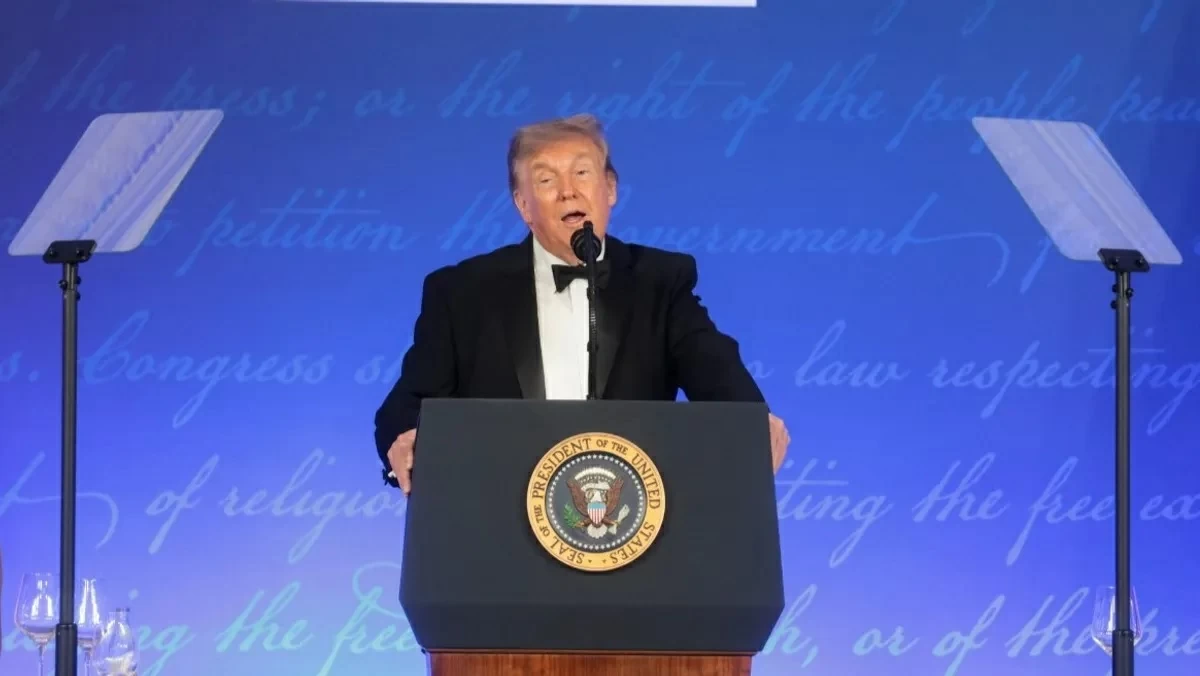
وأثناء حضوره حفل عشاء مراسلي البيت الأبيض، أكد ترمب أن الإيرانيين يتواصلون مع واشنطن، مرجحاً عدم استعدادهم للتوصل إلى اتفاق. وتطرق إلى القدرات الإيرانية العسكرية قائلاً: «لم يتبق لدى إيران الكثير من المسيرات».
وفي تصريحات من البيت الأبيض، أشار ترمب إلى إمكانية تكثيف الهجوم على إيران، نظرا لعدم استعدادهم لأي اتفاق. وأكد الرئيس الأمريكي أن أمام إيران خيارين: إما التوصل إلى اتفاق، أو مواجهة مستوى «أعنف بكثير» من الضربات.
ويمثل مضيق هرمز النقطة الأبرز في حرب اندلعت قبل نحو خمسة أشهر وأودت بحياة الآلاف وفاقمت التضخم العالمي وأشعلت المخاوف من حدوث ركود اقتصادي.
In the first noticeable decrease in the pace of bombing in about two weeks, a relative calm has prevailed in the military confrontation between the United States and Iran over the past few hours, but tensions still loom over the region with U.S. President Donald Trump announcing that he is considering options to escalate military operations.
For the first time in about two weeks, U.S. forces did not announce any new airstrikes against Iran during the night, while a spokesperson for the Iranian Ministry of Health confirmed via social media that no new attacks or human casualties were reported.
Reuters reported from political sources that Pakistan is exploring a path to resume stalled talks between the United States and Iran regarding the end of the war, as part of an initiative led by China.
Three Pakistani sources revealed that exploratory talks took place during the visit of Iranian Interior Minister Iskander Momeni to Islamabad last week, marking his second visit in ten days.
Despite the temporary decrease in the pace of military operations, concerns about the outbreak of a new escalation remain, according to a report by The New York Times.
It quoted four informed sources saying that the U.S. president held a meeting with his senior advisors to discuss options for expanding military operations against Iran, while Trump confirmed that he has not yet made a decision regarding the expansion of the attack, noting that communications with the Iranian side are still ongoing.
Trump stated: "We are on high alert and ready to act, but we are still talking to them, and we are not in a hurry," emphasizing that he is considering directing broader strikes on Iran, amid the widening scope of conflict in the region.
During his attendance at a White House correspondents' dinner, Trump confirmed that the Iranians are communicating with Washington, suggesting that they are not ready to reach an agreement. He touched on Iran's military capabilities, saying: "Iran doesn't have many drones left."
In statements from the White House, Trump indicated the possibility of intensifying the attack on Iran, given their unpreparedness for any agreement. The U.S. president confirmed that Iran has two options: either reach an agreement or face a level of "much harsher" strikes.
The Strait of Hormuz represents the focal point in a war that erupted about five months ago, claiming thousands of lives, exacerbating global inflation, and igniting fears of an economic recession.