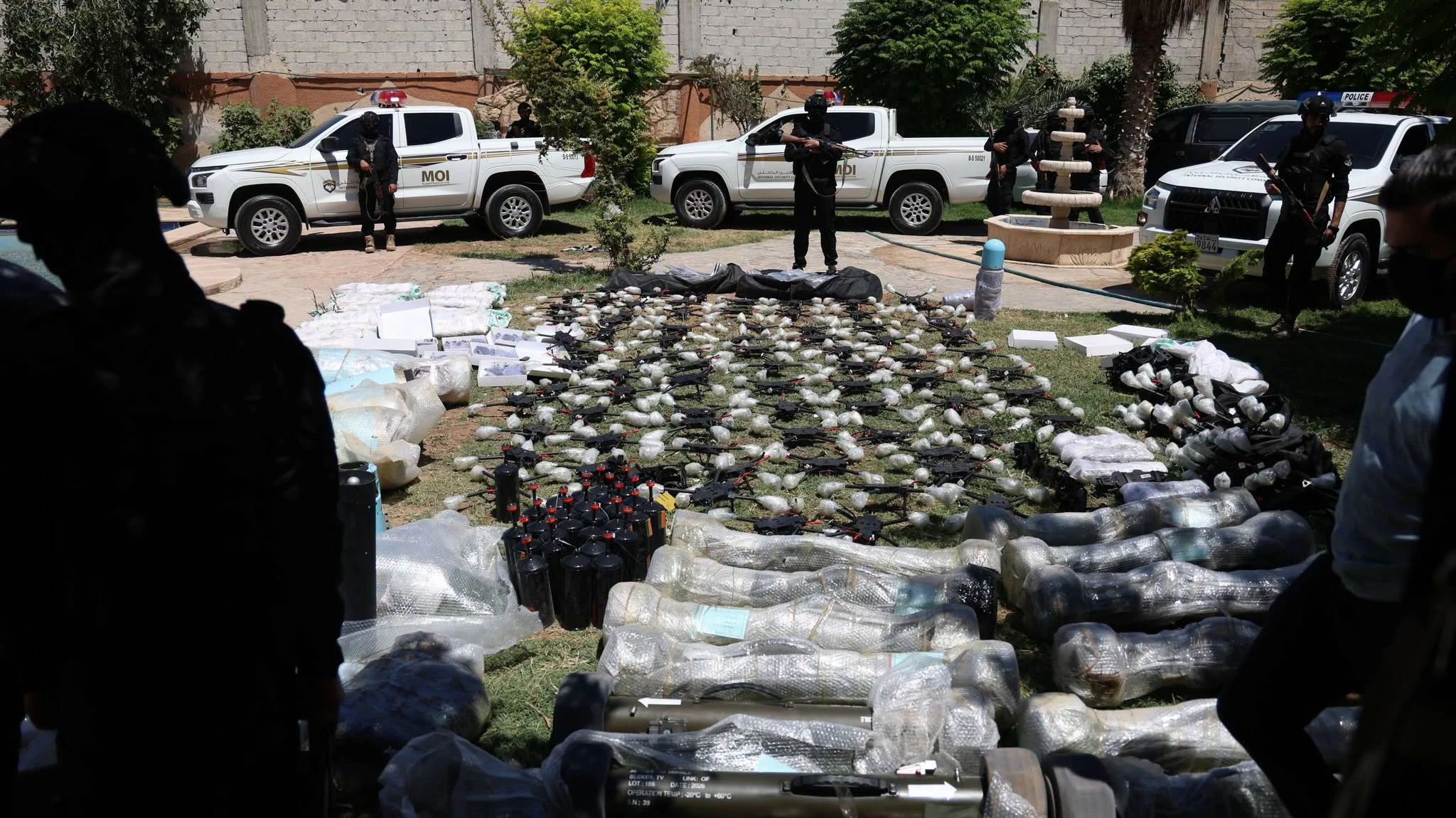
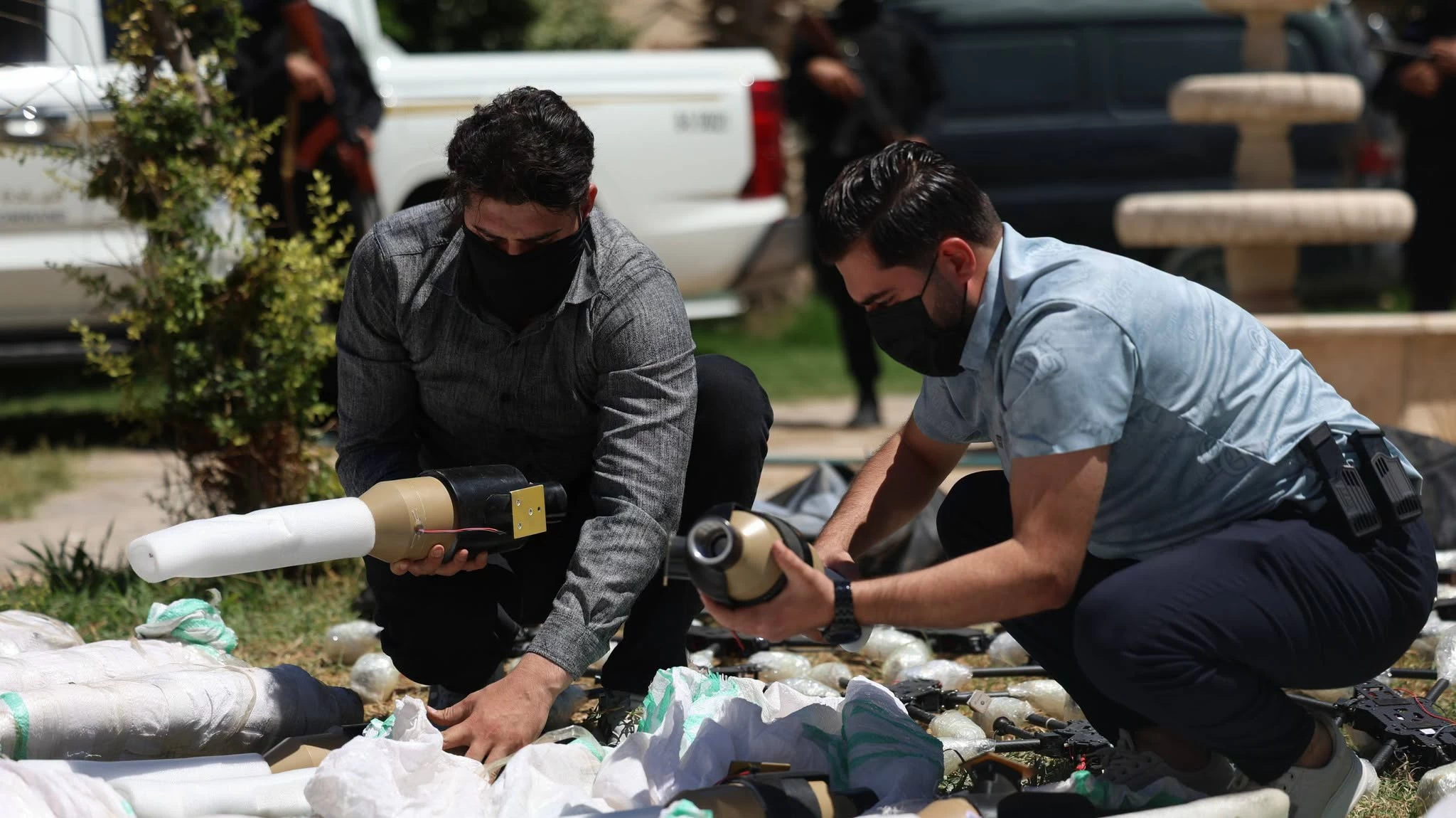
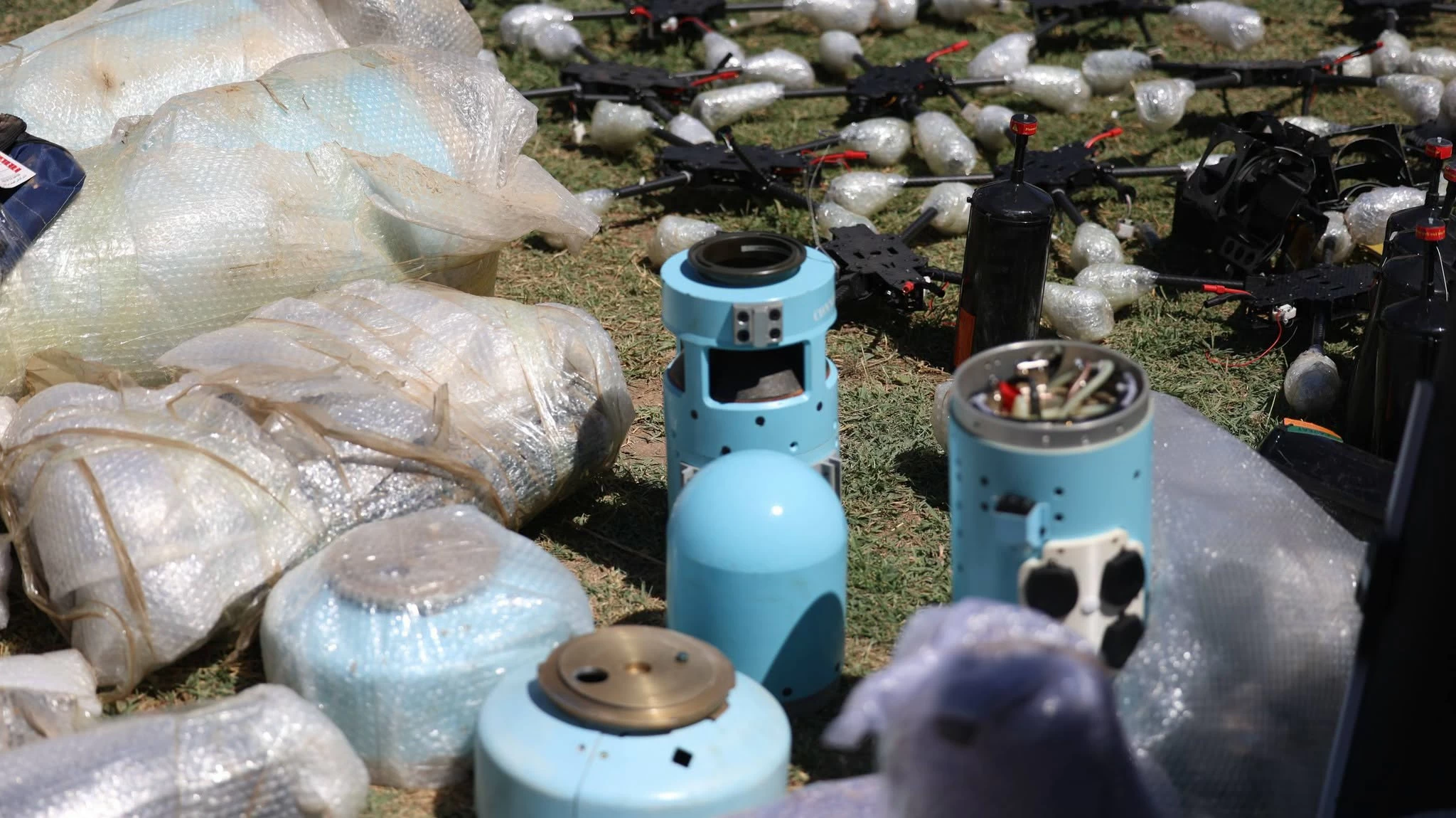
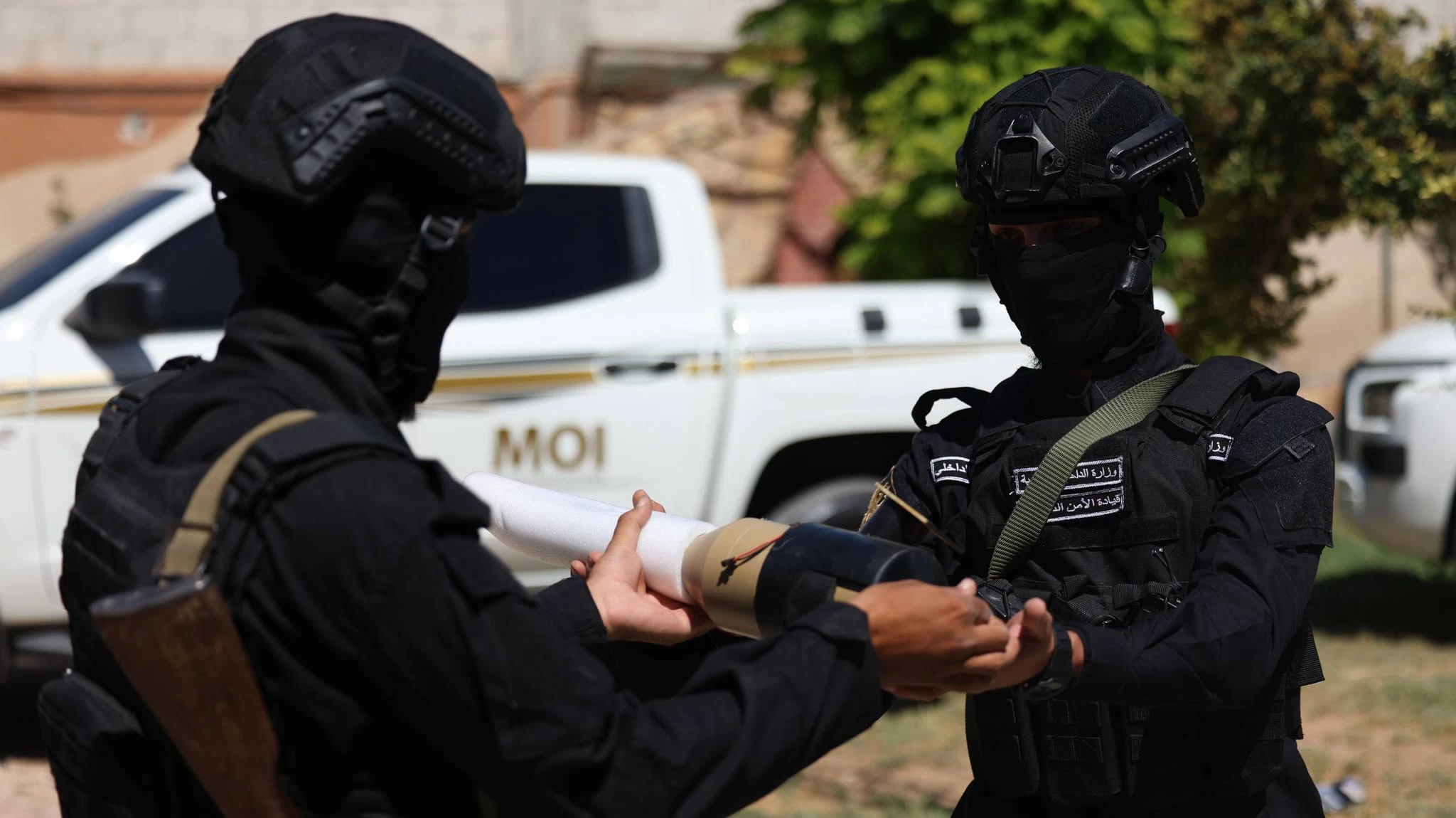
أحبطت السلطات السورية (الخميس) محاولة لإدخال شحنة أسلحة وصواريخ عبر الحدود مع العراق، مؤكدة أن التحقيقات الأولية تشير إلى أن الشحنة كانت معدة للمرور عبر الأراضي السورية لصالح حزب الله، في أحدث عملية تعلنها دمشق ضمن جهودها لمكافحة تهريب السلاح.
ونقلت وكالة الأنباء السورية «سانا» عن مصدر في وزارة الداخلية قوله إن الجهات المختصة ضبطت شحنة تضم أسلحة نوعية وصواريخ خلال محاولة إدخالها عبر الحدود السورية العراقية، قبل أن تكشف التحقيقات الأولية أن وجهتها النهائية كانت حزب الله في لبنان.
وقالت وزارة الداخلية السورية إن قواتها رصدت مركبة متوقفة في المنطقة الحدودية في ظروف أثارت الشبهات، وبإخضاعها للتفتيش عُثر بداخلها على شحنة أسلحة ضمت صواريخ بعيدة المدى، وصواريخ موجهة مضادة للدروع، وطائرات مسيرة، مؤكدة أن التحقيقات لا تزال مستمرة لاستكمال ملابسات القضية.
وكشفت مصادر لقناتي «العربية» و«الحدث» أن شحنة الأسلحة المضبوطة في سورية ضمت صواريخ و150 طائرة مسيرة مفخخة وقذائف متفجرة، وكانت في طريقها من العراق إلى حزب الله في لبنان.
وتأتي العملية في ظل تشديد السلطات السورية إجراءاتها الأمنية على المعابر والحدود، بالتزامن مع تصاعد التوترات الإقليمية واتساع المواجهة بين الولايات المتحدة وإيران، وما رافقها من مخاوف بشأن تنقل الأسلحة عبر المنطقة.
في غضون ذلك، بدأت محكمة الجنايات الرابعة بدمشق، ثاني جلسات محاكمة للمتهم بجرائم التحريض على العنف وتبرير القتل خلال عهد النظام السابق، أحمد حسون، بحضور ممثلين عن منظمات حقوقية وطنية ودولية، برئاسة القاضي فخر الدين العريان.
وكانت المحكمة قد عقدت أولى جلسات المحاكمة في 25 يونيو الماضي.
ووجهت المحكمة لحسون تهما باستغلال منصبه كمفتٍ للجمهورية لمصالحه الشخصية وإقامة علاقات موسعة خارج إطار العلاقة الرسمية مع رأس النظام المخلوع بشار الأسد، ومع مدير إدارة المخابرات العامة علي مملوك، وكبار ضباط الجيش، وزعماء المليشيات الطائفية التي كانت تقاتل في سورية، إضافة إلى إلقاء محاضرات أمام عناصر وضباط في جيش النظام البائد، حثهم فيها على دعم النظام في مواجهة معارضيه، والإدلاء بتصريحات إعلامية تضمنت تحريضاً على قتل المدنيين في المناطق الثائرة واللاجئين الفارين من بطش النظام، ولا سيما في حلب الشرقية وإدلب، كما تضمنت طلباً من جيش النظام بتدمير هذه المناطق.
كما اتهم بالتأييد العلني بصفته الرسمية والرمزية كمفتٍ للجمهورية لضباط وشخصيات متورطة بجرائم حرب، من بينهم عصام زهر الدين وقاسم سليماني، إضافة إلى تأييده التدخلين الروسي والإيراني في سورية، رغم ما ارتكبته تلك القوات والمليشيا من انتهاكات ومجازر بحق السوريين.
وأوضح القاضي العريان أن الأفعال المنسوبة إلى المتهم تجعله شريكاً أساسياً في التحريض والحث والمساعدة المعنوية وتوفير الشرعية الدينية والسياسية لأفعال نظام الأسد ومليشياته وحلفائه مع العلم بالسياق العام وبنمط الجرائم المرتكبة التي تتم كهجمات واسعة النطاق وبشكل منهجي، ما يندرج ضمن جرائم الحرب والجرائم ضد الإنسانية، التي لا تسقط بالتقادم أو العفو.
وأشار القاضي العريان إلى أن قانون العقوبات السوري يعاقب على أفعال حسون، ولا سيما جرائم التحريض على القتل قصداً، والتدخل في القتل، والتدخل في الاعتداء الهادف إلى إثارة الحرب الأهلية والاقتتال الطائفي، وإثارة النعرات المذهبية والعنصرية، وصرف النفوذ مقابل منفعة مادية.
The Syrian authorities thwarted an attempt on Thursday to smuggle a shipment of weapons and missiles across the border with Iraq, confirming that initial investigations indicate the shipment was intended to pass through Syrian territory for the benefit of Hezbollah, in the latest operation announced by Damascus as part of its efforts to combat arms smuggling.
The Syrian news agency "SANA" reported a source in the Ministry of Interior stating that the relevant authorities seized a shipment containing sophisticated weapons and missiles during an attempt to bring it across the Syrian-Iraqi border, before initial investigations revealed that its final destination was Hezbollah in Lebanon.
The source did not specify the location of the seizure, the types of weapons and missiles, or the quantities involved, confirming that investigations are still ongoing to complete the circumstances of the case.
This operation comes amid tightened security measures by the Syrian authorities at crossings and borders, coinciding with escalating regional tensions and the widening confrontation between the United States and Iran, along with concerns about the movement of weapons across the region.
Meanwhile, the Fourth Criminal Court in Damascus began the second session of the trial for the accused of inciting violence and justifying murder during the previous regime, Ahmad Hassoun, in the presence of representatives from national and international human rights organizations, chaired by Judge Fakhr al-Din al-Aryan.
The court had held the first session of the trial on June 25 of last year.
The court charged Hassoun with exploiting his position as the Grand Mufti of the Republic for personal interests and establishing extensive relationships outside the official framework with the ousted regime's head Bashar al-Assad, with the Director of General Intelligence Ali Mamlouk, senior army officers, and leaders of sectarian militias fighting in Syria. He was also accused of giving lectures to elements and officers in the fallen regime's army, urging them to support the regime against its opponents, and making media statements that included incitement to kill civilians in rebellious areas and refugees fleeing the regime's oppression, particularly in eastern Aleppo and Idlib, as well as calling on the regime's army to destroy these areas.
He was also accused of publicly supporting, in his official and symbolic capacity as Grand Mufti of the Republic, officers and figures involved in war crimes, including Issam Zahreddin and Qassem Soleimani, in addition to supporting the Russian and Iranian interventions in Syria, despite the violations and massacres committed by those forces and militias against Syrians.
Judge al-Aryan clarified that the actions attributed to the accused make him a key partner in incitement, encouragement, and moral assistance, providing religious and political legitimacy for the actions of the Assad regime and its militias and allies, with knowledge of the general context and the pattern of crimes committed, which are carried out as large-scale attacks systematically, falling under war crimes and crimes against humanity, which are not subject to statute of limitations or amnesty.
Judge al-Aryan pointed out that the Syrian Penal Code punishes Hassoun's actions, particularly the crimes of incitement to intentional murder, involvement in murder, involvement in assaults aimed at inciting civil war and sectarian fighting, inciting sectarian and racial tensions, and abusing influence for material gain.