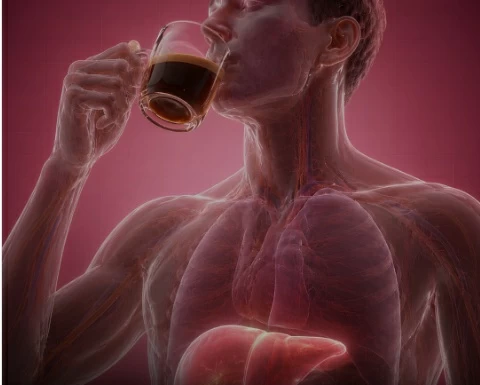
في اكتشاف علمي يسلّط الضوء على دور القهوة في حماية صحة الإنسان، كشفت دراسة واسعة أجرتها جامعة سيدرز–سيناي للعلوم الصحية أن شرب القهوة بانتظام قد يرتبط بانخفاض ملحوظ في خطر الإصابة بتليُّف الكبد وسرطان الكبد والوفاة الناتجة عن أمراضه.
الدراسة التي امتدت لأكثر من 13 عاماً، وشملت 354,957 شخصاً من مشروع UK Biobank، تقدّم واحداً من أكثر الأدلة قوة على وجود علاقة بيولوجية بين القهوة وصحة الكبد.
اعتمد الباحثون على تحليل السجلات الصحية، وفحوصات الرنين المغناطيسي للكبد، إضافة إلى تحليلات دقيقة لبروتينات الدم؛ بهدف فهم الآليات التي تجعل القهوة تبدو وكأنها «درعاً واقياً» للكبد. وكانت النتائج لافتة: الأشخاص الذين شربوا خمسة أكواب أو أكثر يومياً انخفض لديهم خطر الإصابة بتليف الكبد بنسبة 32%، وسرطان الكبد بنسبة 47%، والوفاة المرتبطة بأمراض الكبد بنسبة 42% مقارنة بغير شاربي القهوة.
كما أظهرت فحوصات التصوير أن شاربي القهوة يمتلكون مستويات أقل من دهون الكبد وتراكم الحديد والتليف والالتهاب، بينما كشفت تحليلات البروتينات عن ارتفاع البروتينات المرتبطة بوظائف الكبد السليمة وانخفاض تلك المرتبطة بالتندب والالتهاب.
المثير للاهتمام أن الفوائد ظهرت أيضاً لدى من يشربون القهوة منزوعة الكافيين، ما يشير إلى أن مركبات طبيعية أخرى في القهوة -مثل البوليفينولات- قد تلعب دوراً محورياً في تحسين صحة الكبد.
ورغم أن الدراسة تُظهر ارتباطاً قوياً، فإن الباحثين يؤكدون أنها رصدية ولا تثبت أن القهوة تمنع أمراض الكبد بشكل مباشر، مشددين على أن الوقاية الحقيقية لا تزال تعتمد على الحفاظ على وزن صحي، والحد من الكحول، وممارسة الرياضة، وضبط السكر والضغط والكوليسترول.
ويعمل الفريق حالياً على تحديد المركبات الأكثر تأثيراً في القهوة، وفهم المسارات البيولوجية التي تجعل بعض الأشخاص يستفيدون منها أكثر من غيرهم، في خطوة قد تمهّد لتطوير علاجات جديدة مستوحاة من هذا المشروب الشهير.
In a scientific discovery that highlights the role of coffee in protecting human health, a large study conducted by Cedars-Sinai Medical Center has revealed that regular coffee consumption may be associated with a significant reduction in the risk of liver fibrosis, liver cancer, and death related to liver diseases.
The study, which spanned over 13 years and included 354,957 participants from the UK Biobank project, provides one of the strongest pieces of evidence for a biological relationship between coffee and liver health.
The researchers relied on analyzing health records, MRI scans of the liver, as well as precise analyses of blood proteins to understand the mechanisms that make coffee appear to be a "protective shield" for the liver. The results were striking: individuals who consumed five or more cups daily had a 32% lower risk of developing liver fibrosis, a 47% lower risk of liver cancer, and a 42% lower risk of death related to liver diseases compared to non-coffee drinkers.
Imaging tests also showed that coffee drinkers had lower levels of liver fat, iron accumulation, fibrosis, and inflammation, while protein analyses revealed higher levels of proteins associated with healthy liver functions and lower levels of those linked to scarring and inflammation.
Interestingly, the benefits were also observed in those who drank decaffeinated coffee, suggesting that other natural compounds in coffee—such as polyphenols—may play a crucial role in improving liver health.
Although the study shows a strong association, the researchers emphasize that it is observational and does not prove that coffee directly prevents liver diseases, stressing that true prevention still relies on maintaining a healthy weight, limiting alcohol, exercising, and managing blood sugar, pressure, and cholesterol.
The team is currently working on identifying the most impactful compounds in coffee and understanding the biological pathways that make some individuals benefit from it more than others, in a step that could pave the way for developing new treatments inspired by this popular beverage.