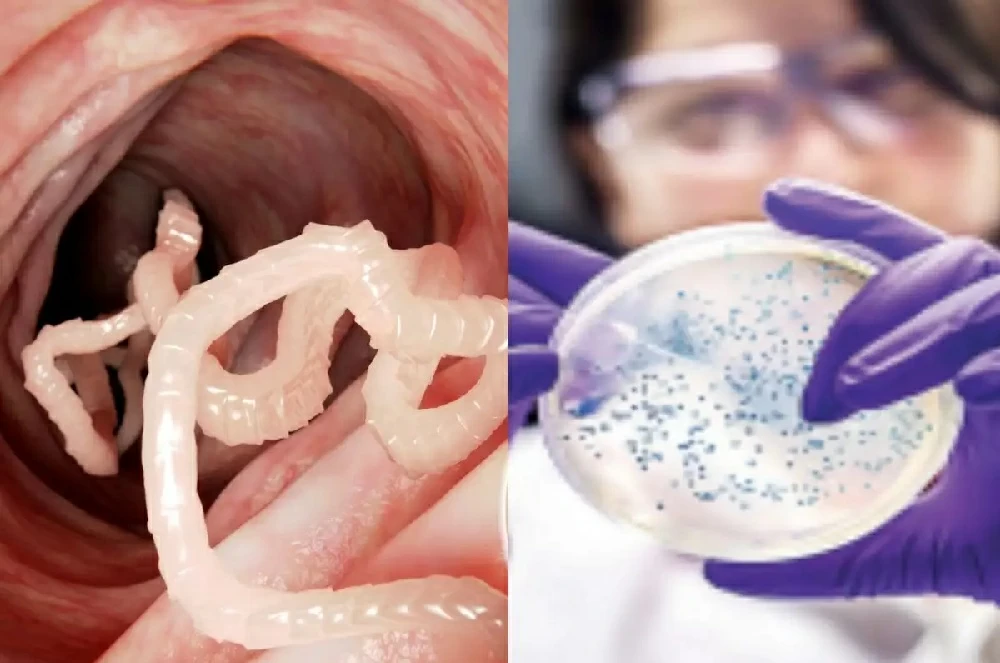
كانت ولاياتٌ أمريكية كثيرة تستيقظ على أخبارٍ متلاحقة عن مرضٍ غامض بدأ يتسلّل بصمت عبر موائد الناس. لم يكن الأمر في بدايته أكثر من حالات متفرقة لإسهال حاد، لكن شيئاً ما كان مختلفاً هذه المرة؛ فالأعراض كانت تعود بعد أن تختفي، وكأن المرض يرفض المغادرة.
مع مرور الأيام، بدأ الخط البياني يرتفع بسرعة غير مألوفة. وفي تقريرٍ عاجل، أعلن مركز مكافحة الأمراض والوقاية؛ منها (CDC)، أن البلاد تواجه تفشّياً واسعاً لعدوى داء (السيكلوسبورا)، وهو طفيلي مجهري لا يُرى بالعين، لكنه يترك أثراً واضحاً في أجساد المصابين. أكثر من سبعة آلاف حالة مؤكدة أو مشتبه بها ظهرت في 34 ولاية، لتتحول العدوى من مشكلة صحية محدودة إلى أزمة وطنية تمتد على خارطة البلاد.
في الأسواق، كانت المنتجات الطازجة تُعرض كعادتها: الخضراوات الورقية، الأعشاب، والتوت بأنواعه. لكن خلف هذا المشهد اليومي، كانت هناك قصة أخرى؛ فهذه المنتجات تحديداً هي الأكثر ارتباطاً بالطفيلي الذي ينتقل عبر الغذاء الملوث. كثيرون لم يكونوا يعلمون أن غسلةً ناقصة أو مياه ريٍّ غير آمنة قد تكون كافية لبدء رحلة المرض.
الأطباء في غرف الطوارئ كانوا يلاحظون نمطاً غريباً: المرض يبدأ بإسهال شديد، ثم يفقد المريض شهيته، ويشعر بإرهاق لا يشبه التعب العادي، وقد يصاحبه قيء وحمى. ثم، وبعد أيام من التحسُّن، تعود الأعراض من جديد. هذا التذبذب دفع الجمعية الطبية الأمريكية إلى التحذير من انتكاسات محتملة، مؤكدةً أن المرض قد يخدع المصاب قبل أن يعود بقوة أكبر.
في إحدى الولايات، كانت سيدةٌ تقف أمام قسم الطوارئ وهي تحمل طفلها الذي بدا مُرهقاً من الإسهال المتواصل. قالت للطبيب إنها ظنّت أن الأمر مجرد نزلة معوية، لكن الأعراض عادت بعد أن تحسّن. الطبيب لم يكن بحاجة إلى الكثير من الوقت ليشتبه في (السيكلوسبورا)، فقد أصبح المرض حديث كل المستشفيات.
ومع اتساع رقعة التفشي، بدأت السلطات الصحية في سباقٍ مع الزمن. فرق الرقابة الغذائية انتشرت في المزارع ومراكز التعبئة، تبحث عن مصدر التلوث الذي قد يكون في ولاية واحدة أو ربما في سلسلة توريد تمتد عبر عدة ولايات. وفي الوقت نفسه، كانت حملات التوعية تنتشر عبر الشاشات ووسائل التواصل، تحثّ الناس على غسل المنتجات جيداً، وطهو ما يمكن طهوه، وتوخي الحذر عند تناول الطعام خارج المنزل.
في الوقت الذي كانت فيه غرف الطوارئ تمتلئ بالمراجعين، كانت بعض الفرق الرياضية في الولايات المتأثرة تُعيد النظر في قوائم الطعام داخل معسكراتها؛ فالطفيلي الذي يتسلّل عبر المنتجات الطازجة لا يفرّق بين طفلٍ في طوارئ ومستوى رياضيٍّ محترف، قد يكون قادراً على إرباك جدول تدريبات لاعب قبل مباراة دولية. من حسن الطالع، لم تُسجّل إصابات بين لاعبين، لكن الطواقم الطبية بدأت تتعامل مع الأمر بجدية، فالإسهال الحاد وفقدان الشهية ليسا مجرد أعراض عابرة بالنسبة لمن يعتمد جسده كأداة عمل. لا سيما في ظل مشاركة بعض المنتخبات في كأس العالم؛ كان الحرص على سلامة الغذاء داخل المعسكرات جزءاً من خطة الوقاية، وكأن الطفيلي أصبح خصماً غير مرئيٍّ يجب الحذر منه قبل أي مواجهة على أرض الملعب.
ورغم أن المرض نادراً ما يكون خطيرًا على الحياة، إلا أن انتشاره بهذا الشكل أثار قلقاً واسعًاً، خصوصاً مع صعوبة تحديد مصدره بسرعة. فالأمر لا يتعلق بفايروس ينتقل بين الناس، بل بطُفيلي يحتاج إلى وقت طويل ليصبح معدياً، ما يجعل تتبّع مساره أكثر تعقيداً.
ومع استمرار التحقيقات، بقيت الحقيقة الأهم واضحة: أن المرض كشف هشاشة سلسلة الغذاء في بعض المناطق، وأعاد تسليط الضوء على أهمية الرقابة الصحية، ليس فقط في لحظة التفشي، بل في كل يوم يمرّ على المزارع والأسواق والمطاعم.
وفي نهاية اليوم، وبينما كانت الولايات تواصل جهودها لاحتواء التفشي، بقيت النصيحة الأكثر تكرارًا هي الأبسط: اغسلوا منتجاتكم جيداً، فالصحة تبدأ من التفاصيل الصغيرة.
Many American states were waking up to successive news about a mysterious illness that had begun to silently creep through people's tables. At first, it was nothing more than sporadic cases of severe diarrhea, but something was different this time; the symptoms would return after disappearing, as if the illness refused to leave.
As days passed, the graph began to rise at an unusual speed. In an urgent report, the Centers for Disease Control and Prevention (CDC) announced that the country was facing a widespread outbreak of Cyclospora infection, a microscopic parasite that cannot be seen by the naked eye, but leaves a clear mark on the bodies of those infected. More than seven thousand confirmed or suspected cases appeared in 34 states, turning the infection from a limited health issue into a national crisis spreading across the country.
In the markets, fresh products were displayed as usual: leafy vegetables, herbs, and various types of berries. But behind this daily scene, there was another story; these products, in particular, were the most associated with the parasite that spreads through contaminated food. Many did not know that an incomplete wash or unsafe irrigation water could be enough to start the journey of illness.
Doctors in emergency rooms were noticing a strange pattern: the illness begins with severe diarrhea, then the patient loses their appetite, feels an exhaustion unlike ordinary fatigue, and may experience vomiting and fever. Then, after days of improvement, the symptoms return again. This fluctuation prompted the American Medical Association to warn of potential relapses, confirming that the illness could deceive the infected before returning with greater strength.
In one state, a woman stood in front of the emergency department holding her child, who appeared exhausted from continuous diarrhea. She told the doctor that she thought it was just a stomach virus, but the symptoms returned after improvement. The doctor did not need much time to suspect Cyclospora, as the illness had become the talk of every hospital.
As the outbreak expanded, health authorities began a race against time. Food inspection teams spread out in farms and packing centers, searching for the source of contamination that could be in one state or perhaps in a supply chain extending across several states. At the same time, awareness campaigns spread through screens and social media, urging people to wash their products thoroughly, cook what can be cooked, and exercise caution when eating outside the home.
While emergency rooms were filling up with patients, some sports teams in the affected states were reevaluating their food lists within their camps; the parasite that sneaks through fresh products does not differentiate between a child in an emergency and a professional athlete, who could be thrown off their training schedule before an international match. Fortunately, no injuries were reported among players, but medical teams began to take the matter seriously, as severe diarrhea and loss of appetite are not just transient symptoms for those who rely on their bodies as a work tool. Especially with some teams participating in the World Cup; ensuring food safety within camps was part of the prevention plan, as if the parasite had become an invisible opponent to be cautious of before any match on the field.
Although the illness is rarely life-threatening, its widespread nature raised significant concern, especially with the difficulty of quickly identifying its source. The issue does not involve a virus that spreads between people, but a parasite that takes a long time to become contagious, making tracking its path more complicated.
As investigations continued, the most important truth remained clear: the illness revealed the fragility of the food chain in some areas and brought renewed attention to the importance of health monitoring, not just at the moment of an outbreak, but every day that passes in farms, markets, and restaurants.
At the end of the day, while states continued their efforts to contain the outbreak, the most repeated advice remained the simplest: wash your products well, as health begins with small details.