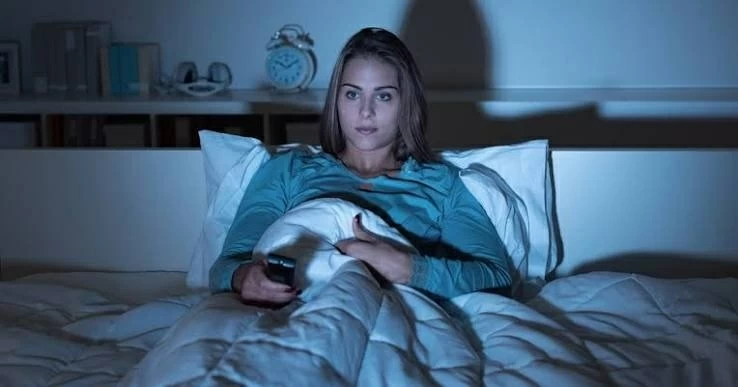
هل اعتدت النوم أمام التلفزيون وتركه يعمل طوال الليل؟ قد لا تقتصر آثار هذه العادة على اضطراب النوم والشعور بالتعب في الصباح، إذ كشفت دراسة حديثة عن ارتباط التعرض للضوء ليلًا بتغيرات قابلة للقياس في بنية القلب ووظيفته، ما يثير تساؤلات بشأن تأثير الإضاءة الليلية المستمرة على صحة القلب والأوعية الدموية.
وتشير النتائج إلى أن المشكلة لا ترتبط بالتلفزيون وحده، بل بالضوء الاصطناعي الذي قد يصل إلى غرفة النوم من الشاشات والمصابيح وأضواء الشوارع، فضلًا عن تأثيره المحتمل في جودة النوم والساعة البيولوجية للجسم.
ماذا يحدث للقلب عند التعرض للضوء ليلًا؟
فحصت دراسة نُشرت في مجلة European Heart Journal، بيانات 11 ألفًا و71 مشاركًا من البنك الحيوي البريطاني، ارتدوا أجهزة على المعصم مزودة بمستشعرات لقياس التعرض للضوء.
وبعد نحو ثلاث سنوات، خضع المشاركون لفحوصات بالرنين المغناطيسي للقلب؛ بهدف تقييم بنيته ووظائفه ومقارنة النتائج بمستويات تعرضهم للضوء خلال الليل. وأظهرت النتائج أن التعرض لمستويات من الضوء تتجاوز ثلاثة لوكسات ارتبط باختلافات في بعض مؤشرات القلب، إذ سجل المشاركون ارتفاعًا بنسبة 2.4% في كتلة البطين الأيسر، وزيادة بنسبة 1.5% في متوسط سُمك جدار القلب، إلى جانب انخفاض بنسبة 1.9% في مؤشر انقباض عضلة القلب.
كما رصد الباحثون تغيّرات في البطين الأيمن والأذين الأيسر، ووصفوا النمط العام لهذه التغيرات بأنه إعادة تشكيل متراكز للقلب، وهو مصطلح يشير إلى تغيرات في شكل عضلة القلب وبنيتها.
وتعني هذه النتائج وجود ارتباط بين التعرض للضوء ليلًا وبعض الاختلافات في بنية القلب ووظيفته، لكنها لا تثبت أن النوم أمام التلفزيون هو السبب المباشر لهذه التغيرات.
هل التلفزيون هو السبب؟
وأوضح الدكتور أنيل دال، رئيس قسم أمراض القلب الهندي والمشارك في الدراسة، أن نتائج الدراسة تستدعي الاهتمام بتأثير التعرض للضوء ليلًا، مشيرًا إلى أن مصادره لا تقتصر على مشاهدة التلفزيون، بل تشمل أيضًا مصابيح الغرف وأضواء الشوارع وغيرها من مصادر الإضاءة المحيطة.
وبحسب الطبيب، فإن القلق لا يتعلق بالشاشة وحدها، وإنما باضطراب البيئة الطبيعية للنوم، والتعرض للضوء في الوقت الذي يفترض أن يستعد فيه الجسم للراحة، وما قد يصاحب ذلك من تأثيرات في الساعة البيولوجية.
وتعمل الساعة البيولوجية على تنظيم دورة النوم والاستيقاظ استجابةً لإشارات من بينها الضوء والظلام، فعندما يحل الظلام، يستعد الجسم للنوم ويزداد إفراز هرمون الميلاتونين الذي يساعد على تنظيم هذه العملية، بينما قد يتداخل الضوء الاصطناعي ليلًا مع الإشارات الطبيعية التي تنظم النوم.
قلة النوم تفسر جزءًا من العلاقة
وكشفت الدراسة أيضًا أن قصر مدة النوم قد يفسر جزءًا من الارتباط بين التعرض للضوء ليلًا والتغيرات المرصودة في القلب. وقدّر الباحثون أن مدة النوم الأقصر فسرت إحصائيًا ما بين 24% و49% من هذه الارتباطات؛ ما يشير إلى أن اضطراب النوم قد يكون أحد العوامل المهمة في العلاقة بين الإضاءة الليلية وصحة القلب.
ومع ذلك، لا تزال هناك حاجة إلى مزيد من الأبحاث لتحديد مدى مساهمة الضوء نفسه، واضطراب النوم، والعوامل الأخرى في هذه التغيرات، وكذلك معرفة ما إذا كان تقليل التعرض للضوء ليلًا يؤدي إلى تحسين صحة القلب.
كيف تحمي نومك وقلبك؟
لا يعني ذلك بالضرورة ضرورة إخراج التلفزيون من غرفة النوم، لكن الخبراء ينصحون بتقليل التعرض للضوء خلال ساعات الليل، خصوصًا إذا كنت معتادًا النوم أمام الشاشة. ويمكن اتباع عدد من الخطوات البسيطة للمساعدة على تحسين بيئة النوم:
- استخدم مؤقت إيقاف التلفزيون بحيث يتم ضبطه على الإغلاق تلقائيًا بدلًا من تركه يعمل طوال الليل.
- أطفئ الإضاءة غير الضرورية واجعل غرفة النوم مظلمة قدر الإمكان خلال ساعات النوم.
- قلل استخدام الشاشات قبل النوم وامنح جسمك فرصة للاستعداد للراحة بعيدًا عن الضوء الاصطناعي.
- احجب الضوء الخارجي باستخدام الستائر أو الحواجز المناسبة للحد من دخول أضواء الشوارع إلى الغرفة.
Have you gotten used to sleeping in front of the television and leaving it on all night? The effects of this habit may not be limited to sleep disturbances and feeling tired in the morning, as a recent study revealed a link between nighttime light exposure and measurable changes in heart structure and function, raising questions about the impact of continuous nighttime lighting on cardiovascular health.
The results indicate that the problem is not just related to the television, but to artificial light that may enter the bedroom from screens, lamps, and streetlights, as well as its potential impact on sleep quality and the body's biological clock.
What happens to the heart when exposed to light at night?
A study published in the European Heart Journal examined data from 11,071 participants in the UK Biobank, who wore wrist devices equipped with sensors to measure light exposure.
After about three years, the participants underwent cardiac MRI scans to assess their heart structure and function, comparing the results to their levels of light exposure during the night. The findings showed that exposure to light levels exceeding three lux was associated with differences in some heart indicators, with participants recording a 2.4% increase in left ventricular mass, a 1.5% increase in average heart wall thickness, along with a 1.9% decrease in the heart muscle contraction index.
The researchers also observed changes in the right ventricle and left atrium, describing the overall pattern of these changes as a remodeling of the heart, a term that refers to changes in the shape and structure of the heart muscle.
These results indicate a link between nighttime light exposure and some differences in heart structure and function, but they do not prove that sleeping in front of the television is the direct cause of these changes.
Is the television the cause?
Dr. Anil Dal, head of the Indian cardiology department and a co-author of the study, clarified that the study's results warrant attention to the effects of nighttime light exposure, noting that its sources are not limited to watching television but also include room lamps, streetlights, and other ambient lighting sources.
According to the doctor, the concern is not just about the screen itself, but about the disruption of the natural sleep environment, exposure to light at a time when the body is supposed to prepare for rest, and the potential effects on the biological clock.
The biological clock regulates the sleep-wake cycle in response to signals including light and darkness; when darkness falls, the body prepares for sleep and increases the secretion of melatonin, a hormone that helps regulate this process, while artificial light at night may interfere with the natural signals that regulate sleep.
Sleep deprivation explains part of the relationship
The study also revealed that shorter sleep duration may explain part of the association between nighttime light exposure and the observed changes in the heart. Researchers estimated that shorter sleep duration statistically accounted for between 24% and 49% of these associations, indicating that sleep disturbances may be one of the important factors in the relationship between nighttime lighting and heart health.
However, further research is still needed to determine the extent to which light itself, sleep disturbances, and other factors contribute to these changes, as well as to find out whether reducing nighttime light exposure leads to improved heart health.
How to protect your sleep and heart?
This does not necessarily mean you need to remove the television from the bedroom, but experts recommend reducing light exposure during nighttime hours, especially if you are accustomed to sleeping in front of the screen. A number of simple steps can be followed to help improve the sleep environment:
- Use a television timer so that it is set to turn off automatically instead of leaving it on all night.
- Turn off unnecessary lighting and make the bedroom as dark as possible during sleep hours.
- Reduce screen use before bedtime and give your body a chance to prepare for rest away from artificial light.
- Block external light using curtains or appropriate barriers to limit streetlight entry into the room.