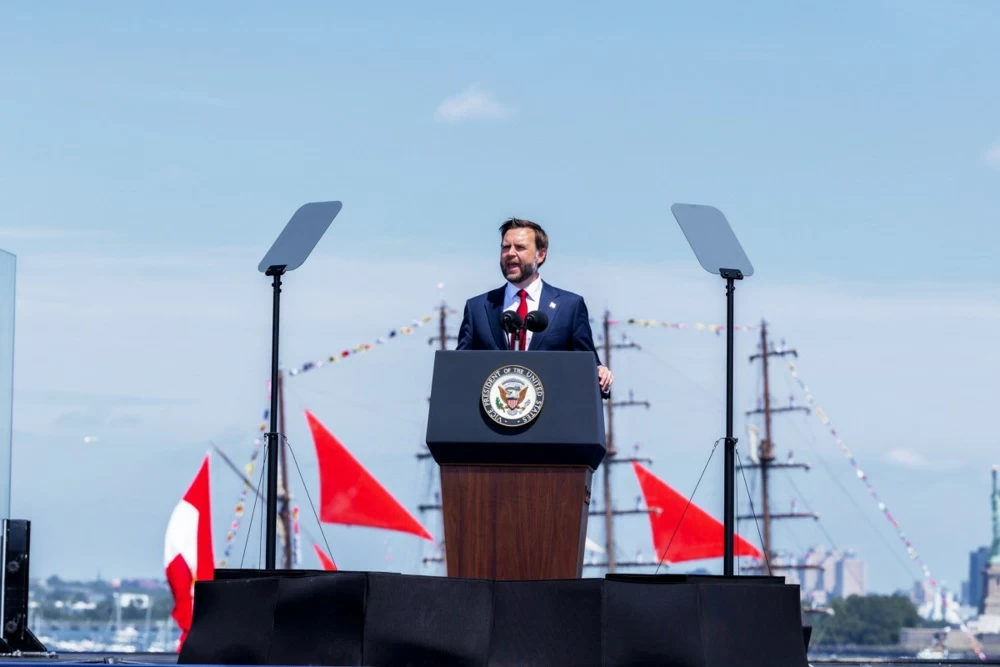
أكد نائب الرئيس الأمريكي جيه دي فانس أن الانقسامات بين التيارين «المتشدد» و«البراغماتي» داخل إيران كانت من العوامل التي أسهمت في تجدد المواجهة بين واشنطن وطهران، مشدداً على أن الإدارة الأمريكية ما زالت ترى فرصة لإحياء المسار الدبلوماسي، رغم التصعيد العسكري الأخير.
وخلال مقابلة مطولة مع مقدم البودكاست الشهير جو روجان، أوضح فانس أن الولايات المتحدة لا تسعى إلى تغيير النظام الإيراني بالقوة، مؤكداً أن هدف واشنطن يقتصر على منع طهران من امتلاك سلاح نووي، وأن الجمع بين الضغط العسكري والدبلوماسية يظل الخيار الذي تتبناه إدارة الرئيس دونالد ترمب.
وكشف فانس أنه كان من بين المسؤولين الأقل حماساً للتدخل العسكري في بداية الأزمة، لكنه أكد دعمه الكامل لقرارات ترمب، معتبراً أن أي تحرك عسكري يجب أن يكون «قانونياً وأخلاقياً». كما رفض الاتهامات التي تقول إن إسرائيل دفعت الولايات المتحدة إلى الحرب، مؤكداً أن ترمب كان سيواجه إيران حتى دون أي تأثير إسرائيلي، انطلاقاً من قناعته الراسخة بضرورة منعها من امتلاك السلاح النووي.
وفي الشأن الداخلي، أقر نائب الرئيس الأمريكي بوجود إخفاق في طريقة تعامل البيت الأبيض إعلامياً مع قضية رجل الأعمال المدان بجرائم جنسية جيفري إبستين، معتبراً أن الإدارة «أخطأت تماماً» في إدارة الملف إعلامياً، لكنه نفى وجود أي محاولة لإخفاء معلومات، موضحاً أن الوثائق نُشرت بالفعل، وإن جاء ذلك بعد تأخير أطول من المتوقع.
كما تطرق الحوار إلى ملفات السياسة الداخلية، حيث هاجم فانس الاشتراكية، واصفاً إياها بأنها «فكرة مجنونة»، لكنه حذر في الوقت ذاته من أن اتساع فجوة الثروة وصعوبة امتلاك الشباب للمنازل قد يدفع مزيداً من الأمريكيين إلى تبني هذا التوجه مستقبلاً.
وفي سياق متصل بالتوترات الإقليمية، اتخذت الهند إجراءات احترازية لحماية مواطنيها العاملين في قطاع الملاحة، إذ أصدرت المديرية العامة للشحن توجيهات إلى ملاك السفن ومديريها ووكالات التوظيف بوقف إرسال البحارة الهنود إلى السفن العابرة لمضيق هرمز حتى إشعار آخر.
وأوضحت السلطات الهندية أن القرار جاء بعد الارتفاع الكبير في المخاطر الأمنية التي تواجه السفن التجارية وأطقمها، في ظل تصاعد الهجمات في المنطقة خلال الأيام الأخيرة، وهو ما يعكس تنامي المخاوف الدولية من تداعيات استمرار التوترات في أحد أهم الممرات البحرية لنقل النفط والتجارة العالمية.
U.S. Vice President J.D. Vance confirmed that the divisions between the "hardliner" and "pragmatist" factions within Iran were among the factors that contributed to the renewed confrontation between Washington and Tehran, emphasizing that the U.S. administration still sees an opportunity to revive the diplomatic path, despite the recent military escalation.
In a lengthy interview with renowned podcast host Joe Rogan, Vance clarified that the United States does not seek to change the Iranian regime by force, asserting that Washington's goal is limited to preventing Tehran from acquiring nuclear weapons, and that the combination of military pressure and diplomacy remains the approach adopted by President Donald Trump's administration.
Vance revealed that he was among the officials least enthusiastic about military intervention at the beginning of the crisis, but he affirmed his full support for Trump's decisions, considering that any military action must be "legal and ethical." He also rejected accusations that Israel pushed the United States into war, asserting that Trump would have confronted Iran even without any Israeli influence, based on his firm conviction of the necessity to prevent it from obtaining nuclear weapons.
On the domestic front, the U.S. Vice President acknowledged a failure in the White House's media handling of the case of businessman Jeffrey Epstein, who was convicted of sexual crimes, stating that the administration "completely erred" in managing the issue publicly, but he denied any attempt to conceal information, explaining that the documents were indeed published, albeit after a longer delay than expected.
The discussion also touched on domestic policy issues, where Vance criticized socialism, describing it as a "crazy idea," but he simultaneously warned that the widening wealth gap and the difficulty for young people to own homes could drive more Americans to adopt this trend in the future.
In relation to regional tensions, India has taken precautionary measures to protect its citizens working in the shipping sector, as the Directorate General of Shipping issued directives to ship owners, managers, and recruitment agencies to stop sending Indian sailors to vessels transiting the Strait of Hormuz until further notice.
Indian authorities explained that the decision came after a significant increase in security risks facing commercial ships and their crews, amid a rise in attacks in the region in recent days, reflecting growing international concerns about the repercussions of ongoing tensions in one of the most important maritime corridors for oil and global trade.