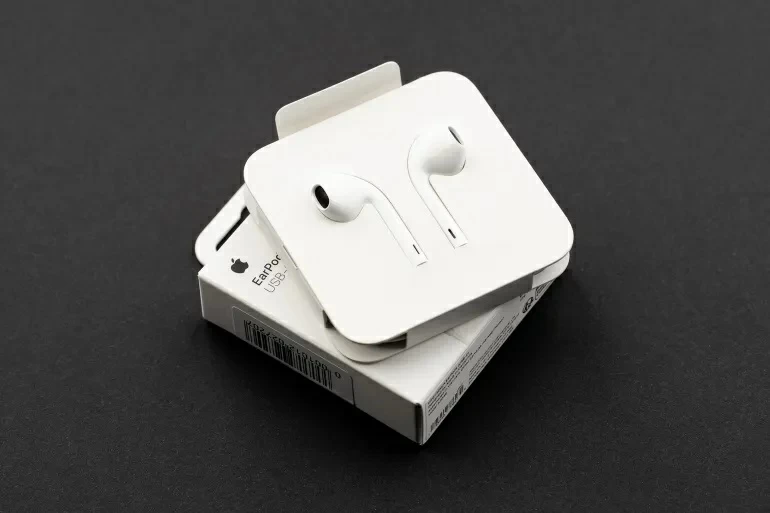
لم تعد السماعات اللاسلكية مجرد أداة بسيطة للاستماع إلى الموسيقى أو إجراء المكالمات السريعة، بل تحولت بمرور الوقت إلى أجهزة كمبيوتر مصغرة وفائقة الذكاء، تضم معالجات متقدمة، وميكروفونات متعددة، وحساسات حركة دقيقة، وتتصل بشكل دائم بالهواتف والحواسيب عبر تقنية البلوتوث.
لكن هذا التطور التقني المذهل حمل معه جانباً مظلماً، حيث بدأ خبراء الأمن السيبراني يطلقون تحذيرات جادة من إمكانية استغلال هذه القطع الصغيرة كبوابة خلفية غير متوقعة لقرصنة بياناتك واختراق خصوصيتك!
بلوتوث.. هل بات الحلقة الأضعف في تأمينك؟
تعتمد جميع السماعات اللاسلكية تقريباً على تقنية «البلوتوث» لنقل البيانات. ورغم التحديثات الأمنية المستمرة لتشفير هذه الموجات، إلا أن طريقة تنفيذ الشركات المصنعة لهذه المعايير تختلف من جهاز لآخر.
ووفقاً لوكالة الأمن السيبراني وأمن البنية التحتية الأمريكية (CISA)، فإن أي جهاز يتصل لاسلكياً هو عرضة للاختراق فور ظهور ثغرة برمجية فيه، أو في حال تكاسل المستخدم عن تثبيت التحديثات الدورية.
- وقد شهدت السنوات الماضية بالفعل كشف باحثين أمنيين عن ثغرات مرعبة مثل:
- BrakTooth: ثغرة برمجية أصابت ملايين شرائح البلوتوث حول العالم، وسمحت للمخترقين بتعطيل الأجهزة أو تشغيل أوامر خبيثة دون إذن المستخدم.
- ثغرات KNOB وBIAS: استهدفت التلاعب بآليات التشفير والمصادقة في إصدارات البلوتوث القديمة قبل أن يسارع المصنعون لترقيعها.
لكن السؤال الأكبر الذي يؤرق المستخدمين هو: هل يستطيع مخترق الاستماع إلى محادثاتي عبر ميكروفون السماعة؟ ويجيب خبراء المركز الوطني للأمن السيبراني في المملكة المتحدة (NCSC) بأن هذا السيناريو معقد جداً من الناحية التقنية، ويتطلب توفر ظروف خاصة للغاية، مثل إصابة الهاتف المتصل بالسماعة ببرمجية تجسس خبيثة بالأساس.
وفي هذه الحالة، لا تكون السماعة هي المستهدفة بشكل مباشر، بل الهاتف نفسه، والذي بمجرد اختراقه يمنح الهاكرز صلاحية تشغيل كل الملحقات المتصلة به، بما فيها ميكروفون السماعة الموجودة في أذنك، لتتحول دون علمك إلى أداة تنصت تجمع بياناتك وبيانات المحيطين بك!
ولا تأتي المخاطر فقط من القراصنة، بل أحياناً من البرمجيات الرسمية نفسها. تعتمد شركات كبرى مثل (آبل، وسامسونغ، وسوني) على تطبيقات مرافقة لتحديث السماعات وضبط ميزة عزل الضوضاء أو تحديد موقعها عند الفقدان.
وتكشف سياسات الخصوصية لهذه التطبيقات أنها تجمع كميات هائلة من البيانات التقنية، مثل سجل الأعطال، ومستوى البطارية، بل وحتى الموقع الجغرافي الدقيق للمستخدم. ورغم أن الهدف المعلن هو تحسين الخدمة، إلا أن هذه البيانات تظل مخزنة على خوادم قد تكون عرضة للاختراق مستقبلاً.
خطة الإنقاذ
يرى خبراء الأمن أن حماية نفسك من هذا التهديد الصامت لا تتطلب التخلي عن سماعتك المفضلة، بل تبدأ من اتباع خطوات وقائية بسيطة تضمن سلامتك الرقمية:
- التحديث الفوري: احرص على تحديث البرامج الثابتة (Firmware) الخاصة بالسماعة عبر تطبيقها الرسمي فور صدورها.
- شراء الماركات الموثوقة: تجنب السماعات الرخيصة مجهولة المصدر، لأن شركاتها لا توفر أي دعم أو تحديثات أمنية للثغرات.
- قص أجنحة الأذونات: راجع الأذونات الممنوحة للتطبيق المرافق للسماعة على هاتفك، وقم بتعطيل ميزة «الموقع الجغرافي» إذا لم تكن بحاجة إليها.
- أغلق البلوتوث: لا تترك اتصال البلوتوث مفتوحاً طوال الوقت، خصوصا عند تواجدك في أماكن عامة مزدحمة مثل المطارات والمقاهي.
- تنظيف قائمة الاقتران: احذف الأجهزة القديمة أو الغريبة التي قمت بالاقتران بها سابقاً من إعدادات هاتفك.
- احذر الأجهزة العامة: تجنب إقران سماعتك الخاصة بشاشات الطائرات، أو الحواسيب العامة، أو أي جهاز لست واثقاً من أمانه.
Wireless headphones are no longer just a simple tool for listening to music or making quick calls; over time, they have transformed into miniature, highly intelligent computers, featuring advanced processors, multiple microphones, and precise motion sensors, and they are constantly connected to phones and computers via Bluetooth technology.
However, this amazing technological advancement has brought with it a dark side, as cybersecurity experts have begun issuing serious warnings about the potential exploitation of these small devices as an unexpected backdoor for hacking your data and invading your privacy!
Bluetooth... Has it become the weak link in your security?
Almost all wireless headphones rely on Bluetooth technology for data transmission. Despite ongoing security updates to encrypt these signals, the way manufacturers implement these standards varies from device to device.
According to the U.S. Cybersecurity and Infrastructure Security Agency (CISA), any device that connects wirelessly is vulnerable to hacking as soon as a software vulnerability appears in it, or if the user neglects to install regular updates.
- In recent years, security researchers have indeed uncovered terrifying vulnerabilities such as:
- BrakTooth: A vulnerability that affected millions of Bluetooth chips worldwide, allowing hackers to disable devices or execute malicious commands without the user's permission.
- KNOB and BIAS vulnerabilities: Targeted the manipulation of encryption and authentication mechanisms in older Bluetooth versions before manufacturers rushed to patch them.
But the bigger question that troubles users is: Can a hacker listen to my conversations through the headphone's microphone? Experts from the UK's National Cyber Security Centre (NCSC) answer that this scenario is technically very complex and requires very specific conditions, such as the connected phone being infected with malicious spyware.
In this case, the headphones are not the direct target, but rather the phone itself, which, once compromised, grants hackers access to operate all connected accessories, including the microphone of the headphones in your ear, turning it unknowingly into a listening device that collects your data and that of those around you!
Risks do not only come from hackers but sometimes from the official software itself. Major companies like Apple, Samsung, and Sony rely on companion apps to update headphones and adjust noise-cancellation features or locate them when lost.
The privacy policies of these apps reveal that they collect vast amounts of technical data, such as crash logs, battery levels, and even the precise geographical location of the user. Although the stated goal is to improve service, this data remains stored on servers that may be vulnerable to future breaches.
Rescue Plan
Security experts believe that protecting yourself from this silent threat does not require giving up your favorite headphones, but rather starts with following simple precautionary steps to ensure your digital safety:
- Immediate updates: Make sure to update the firmware of your headphones through their official app as soon as updates are released.
- Buy trusted brands: Avoid cheap, unknown-source headphones, as their companies do not provide any support or security updates for vulnerabilities.
- Cut back on permissions: Review the permissions granted to the companion app for your headphones on your phone, and disable the "geolocation" feature if you do not need it.
- Turn off Bluetooth: Do not leave the Bluetooth connection open all the time, especially when you are in crowded public places like airports and cafes.
- Clean up the pairing list: Delete old or unfamiliar devices that you have previously paired with from your phone's settings.
- Beware of public devices: Avoid pairing your personal headphones with airplane screens, public computers, or any device you are not confident is secure.