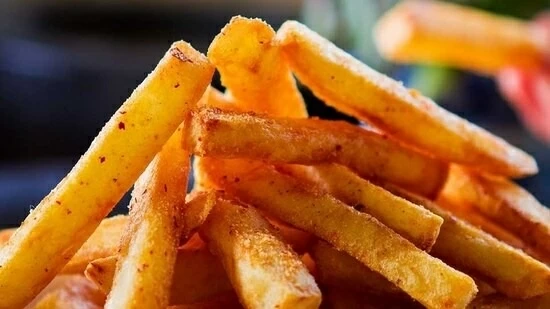
أطلقت طبيبة أورام هندية تحذيراً شديد اللهجة بشأن البطاطس المقلية التي تقدمها مطاعم الوجبات السريعة، معتبرةً أن تناولها بشكل متكرر قد يشكّل خطراً صحياً بالغاً، بل وذهبت إلى حدِّ القول إنها قد تكون «أخطر من التدخين» بسبب طريقة إعدادها، وليس بسبب البطاطس نفسها.
وقالت الدكتورة فارتيكا فيشفاني، وهي استشارية جراحة أورام في مدينة جوروجرام الهندية، في مقطع فيديو نشرته عبر حسابها على (إنستغرام): «إنها لم تسمح لطفلها بتناول البطاطس المقلية التجارية حتى الآن»، مؤكدة أن السبب يعود إلى المخاطر الصحية المرتبطة بزيت القلي المستخدم في مطاعم الوجبات السريعة.
إعادة استخدام الزيت تزيد المركبات السامة
وأوضحت الطبيبة أن المشكلة الأساسية لا تكمن في البطاطس، وإنما في إعادة استخدام زيت القلي مرات متكررة عند درجات حرارة مرتفعة، وهي ممارسة شائعة في العديد من مطاعم الوجبات السريعة.
وأضافت أن «هذه العملية تؤدي إلى زيادة تكوّن الدهون المتحولة ومركبات كيميائية ضارة»، مشيرة إلى أن الدراسات العلمية تربط هذه المركبات بارتفاع مستويات الإجهاد التأكسدي والالتهابات داخل الجسم، وهما عاملان يرتبطان بزيادة خطر الإصابة بالأمراض المزمنة، بما في ذلك بعض أنواع السرطان وأمراض القلب.
نسبة مرتفعة من الملح والسعرات الحرارية
ولفتت الدكتورة فيشفاني إلى أن البطاطس المقلية التجارية تحتوي أيضاً على كميات كبيرة من الملح، وهو ما قد يسهم، عند الإفراط في تناولها، في زيادة احتمالات الإصابة بارتفاع ضغط الدم مستقبلاً.
وأضافت أن هذا النوع من الطعام يتميز بكثافة عالية في السعرات الحرارية، لكنه يفتقر إلى العناصر الغذائية الأساسية ولا يمنح الشعور بالشبع لفترة طويلة، ما يدفع الأطفال إلى تناول كميات أكبر، الأمر الذي يزيد من خطر الإصابة بالسمنة.
وأشارت إلى أن الهند تحتل المرتبة الثانية عالمياً في معدلات السمنة بين الأطفال، معتبرة أن الإقبال المتزايد على الوجبات السريعة، ومن بينها البطاطس المقلية، يعد أحد العوامل المساهمة في هذه المشكلة الصحية.
البطاطس المنزلية أقل خطورة
ورغم تحذيرها، أوضحت الطبيبة أن البطاطس المقلية المحضّرة في المنزل باستخدام زيت طازج وبشكل غير متكرر تختلف عن تلك التي تقدمها المطاعم، مؤكدةً أنها لا تعارض تناولها من حين لآخر في المنزل، لكنها تنصح بتجنب تناول البطاطس المقلية التجارية بصورة منتظمة.
An Indian oncologist has issued a strong warning about the fried potatoes served by fast-food restaurants, considering that consuming them repeatedly may pose a serious health risk, even going so far as to say they could be "more dangerous than smoking" due to the way they are prepared, rather than the potatoes themselves.
Dr. Vartika Vishvani, a surgical oncology consultant in the Indian city of Gurugram, stated in a video she posted on her Instagram account: "I have not allowed my child to eat commercial fried potatoes so far," emphasizing that the reason is the health risks associated with the frying oil used in fast-food restaurants.
Reusing Oil Increases Toxic Compounds
The doctor explained that the main problem lies not with the potatoes, but with the repeated reuse of frying oil at high temperatures, a common practice in many fast-food restaurants.
She added that "this process leads to an increase in the formation of trans fats and harmful chemical compounds," noting that scientific studies link these compounds to elevated levels of oxidative stress and inflammation within the body, both of which are factors associated with an increased risk of chronic diseases, including certain types of cancer and heart disease.
High Levels of Salt and Calories
Dr. Vishvani pointed out that commercial fried potatoes also contain large amounts of salt, which may contribute, when consumed excessively, to an increased likelihood of developing high blood pressure in the future.
She added that this type of food is characterized by a high calorie density but lacks essential nutrients and does not provide a lasting feeling of fullness, leading children to consume larger quantities, which increases the risk of obesity.
She noted that India ranks second globally in childhood obesity rates, considering that the increasing demand for fast food, including fried potatoes, is one of the contributing factors to this health issue.
Homemade Potatoes Are Less Dangerous
Despite her warning, the doctor clarified that homemade fried potatoes prepared with fresh oil and not frequently differ from those served in restaurants, asserting that she does not oppose consuming them occasionally at home, but she advises against regularly eating commercial fried potatoes.