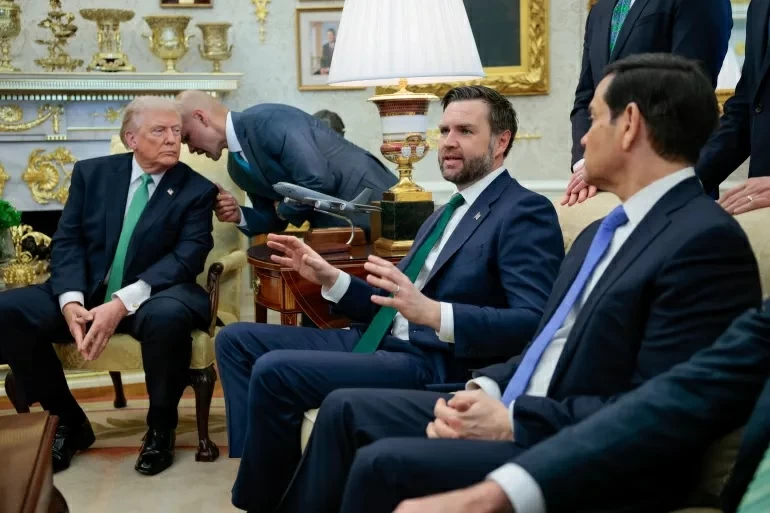
وسط مؤشرات على احتدام المنافسة بين عدد من الشخصيات البارزة داخل الحزب، تشهد الساحة السياسية الأمريكية تصاعداً مبكراً للتكهنات بشأن هوية المرشح الذي سيمثل الحزب الجمهوري في الانتخابات الرئاسية لعام 2028، مع اقتراب نهاية الولاية الحالية للرئيس دونالد ترمب.
وتشير تقديرات سياسية إلى أن نائب الرئيس جيه دي فانس يتصدر قائمة المرشحين المحتملين، مستفيداً من قربه من الرئيس ترمب وحضوره المتنامي داخل القاعدة الجمهورية. وعزز ظهوره الإعلامي وإصداره كتاباً جديداً من حضوره السياسي، فيما أظهرت استطلاعات رأي مبكرة تقدمه على عدد من منافسيه.
ويأتي وزير الخارجية ماركو روبيو في مقدمة المنافسين لفانس، إذ يرى عدد من الجمهوريين أنه يمتلك خبرة سياسية طويلة وقدرة على توحيد الحزب خلال مرحلة ما بعد ترمب. ويستند روبيو إلى سجل سياسي سابق لتوليه منصبه الحالي، الأمر الذي يمنحه حضوراً مستقلاً داخل الحزب.
ويبرز اسم السيناتور تيد كروز ضمن قائمة المرشحين المحتملين، مستفيداً من نشاطه التشريعي ودوره في عدد من الملفات، من بينها الذكاء الاصطناعي والنقل. إلا أن مراقبين يرون أن فرصه في تحقيق زخم انتخابي واسع قد تكون محدودة مقارنة ببقية الأسماء المطروحة.
وفي السياق ذاته، يواصل حاكم ولاية فلوريدا رون ديسانتيس تعزيز سجله التنفيذي، معتمداً على ما يصفه بالنجاحات الاقتصادية والسياسية التي حققها في ولايته. ورغم أنه لم يحسم موقفه من خوض السباق الرئاسي، فإنه يؤكد أن قرار الترشح سيُحسم في الوقت المناسب.
ولا يغيب اسم دونالد ترمب الابن عن المشهد، في ظل حضوره داخل قاعدة «لنجعل أمريكا عظيمة مجدداً»، رغم تأكيده أنه لا يعتزم خوض الانتخابات حتى الآن. كما تحظى حاكمة ولاية أركنساس سارة هاكابي ساندرز باهتمام داخل الأوساط الجمهورية، مستندة إلى خبرتها التنفيذية وعملها السابق في البيت الأبيض، مع تأكيدها أن تركيزها الحالي ينصب على انتخابات التجديد النصفي لعام 2026.
ويرى مراقبون أن ملامح السباق الجمهوري لا تزال في مراحلها الأولى، وأن عوامل عدة، من بينها أداء الاقتصاد الأمريكي، وتطورات السياسة الخارجية، وشعبية إدارة ترمب خلال السنوات القادمة، ستلعب دوراً حاسماً في إعادة ترتيب موازين المنافسة، قبل أن يحسم الحزب الجمهوري مرشحه لخوض الانتخابات الرئاسية المقررة عام 2028.
Amid signs of intensifying competition among several prominent figures within the party, the American political scene is witnessing an early rise in speculation regarding the identity of the candidate who will represent the Republican Party in the 2028 presidential elections, as the current term of President Donald Trump comes to a close.
Political estimates indicate that Vice President JD Vance is at the top of the list of potential candidates, benefiting from his closeness to President Trump and his growing presence within the Republican base. His media appearances and the release of a new book have bolstered his political presence, while early opinion polls show him leading several of his competitors.
Secretary of State Marco Rubio comes next among the competitors for Vance, as many Republicans believe he has extensive political experience and the ability to unify the party in the post-Trump era. Rubio relies on his previous political record in holding his current position, which gives him an independent standing within the party.
Senator Ted Cruz's name also stands out among the list of potential candidates, benefiting from his legislative activity and role in several issues, including artificial intelligence and transportation. However, observers believe that his chances of gaining widespread electoral momentum may be limited compared to other names in the running.
In this context, Florida Governor Ron DeSantis continues to strengthen his executive record, relying on what he describes as the economic and political successes he has achieved in his state. Although he has not yet made a definitive decision about entering the presidential race, he affirms that the decision to run will be made in due time.
The name of Donald Trump Jr. is also present in the scene, given his involvement within the "Make America Great Again" base, despite his assertion that he does not intend to run for office at this time. Arkansas Governor Sarah Huckabee Sanders is also garnering interest within Republican circles, drawing on her executive experience and previous work in the White House, while emphasizing that her current focus is on the 2026 midterm elections.
Observers believe that the contours of the Republican race are still in their early stages, and several factors, including the performance of the American economy, developments in foreign policy, and the popularity of the Trump administration in the coming years, will play a crucial role in reshaping the competitive landscape before the Republican Party finalizes its candidate for the 2028 presidential elections.