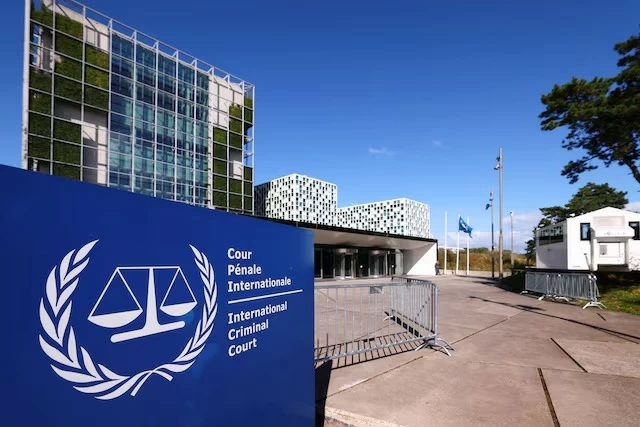
أعلنت إدارة الرئيس الأمريكي دونالد ترمب إطلاق حملة واسعة لمواجهة ما وصفته بـ«التهديد الذي تمثله المحكمة الجنائية الدولية للسيادة الأمريكية»، مؤكدة أنها تدرس اتخاذ إجراءات دبلوماسية واقتصادية جديدة للحد من نفوذ المحكمة ومنعها من ملاحقة المواطنين والمسؤولين الأمريكيين.
وقال وزير الخارجية الأمريكي ماركو روبيو، في رسالة مصورة نشرها أمس (الإثنين)، إن المحكمة الجنائية الدولية أُنشئت في الأصل لملاحقة أخطر الجرائم الدولية، لكنها – بحسب وصفه – تحولت إلى مؤسسة «أكثر تطرفًا واتساعًا في صلاحياتها»، مشددًا على أن إدارة ترمب «لن تسمح للمحكمة بتهديد العسكريين أو المسؤولين الأمريكيين».
وبحسب تقارير إعلامية، كشف مسؤول في وزارة الخارجية الأمريكية، أن الإدارة تدرس حزمة من الإجراءات ضد المحكمة، تشمل فرض قيود على السفر، وإلغاء التأشيرات، وتشديد العقوبات على مسؤولي المحكمة والجهات المرتبطة بها، إلى جانب ممارسة ضغوط دبلوماسية على الدول الأعضاء لحثها على الانسحاب من المحكمة أو رفض اختصاصها في القضايا المتعلقة بالولايات المتحدة.
وأكدت وزارة الخارجية، في بيان، أن «جميع الخيارات الدبلوماسية مطروحة» ضمن الحملة التي تستهدف تقويض ما تعتبره واشنطن تهديدًا للمواطنين الأمريكيين من جانب المحكمة الجنائية الدولية.
من جانبها، امتنعت المتحدثة باسم المحكمة الجنائية الدولية، أوريان ماييه، عن التعليق على التصريحات الأمريكية في الوقت الحالي.
وتأسست المحكمة الجنائية الدولية عام 2002 لمحاكمة مرتكبي جرائم الحرب والإبادة الجماعية والجرائم ضد الإنسانية، وتتدخل عندما تكون الدول غير قادرة أو غير راغبة في محاكمة هذه الجرائم.
ولم تنضم الولايات المتحدة إلى نظام روما الأساسي المنشئ للمحكمة، إلا أن النظام يمنح المحكمة اختصاصًا بالنظر في الجرائم المرتكبة على أراضي الدول الأعضاء حتى وإن كان المتهمون يحملون جنسية دولة غير عضو.
ويُعد موقف ترمب الرافض للمحكمة امتدادًا لسياساته خلال ولايته الأولى، إذ عاد هذا الملف إلى الواجهة بعد إعادة انتخابه في نوفمبر 2024، بالتزامن مع إصدار المحكمة مذكرة توقيف بحق رئيس الوزراء الإسرائيلي بنيامين نتنياهو، أحد أبرز حلفاء واشنطن.
وفي تطور ذي صلة، رفع ثلاثة قضاة في المحكمة الجنائية الدولية الشهر الماضي دعوى قضائية ضد إدارة ترمب، طعنًا في العقوبات التي فرضتها عليهم العام الماضي، معتبرين أنها تخالف القانون.
وفي مقال نشره بصحيفة «وول ستريت جورنال»، قال روبيو إن هناك دعوات من ناشطين وجهات حقوقية لملاحقة مسؤولين أمريكيين أمام المحكمة، سواء على خلفية سياسات ترحيل المهاجرين أو العمليات العسكرية الأمريكية ضد قوارب تقول واشنطن إنها تُستخدم في تهريب المخدرات.
وأضاف، في رسالته المصورة، أن المحكمة «تشن حربًا قانونية على الولايات المتحدة»، معتبرًا أن عناصر حرس الحدود، ومشاة البحرية، والمدعين العامين الذين يتولون قضايا الإرهاب قد يصبحون عرضة للملاحقة القضائية أمامها.
ورغم هذه التصريحات، لم تتخذ المحكمة الجنائية الدولية أي خطوات خلال السنوات الأخيرة لفتح تحقيقات جديدة بحق مسؤولين أو عسكريين أمريكيين.
وكانت قد فتحت في مارس 2020 تحقيقًا بشأن جرائم محتملة في أفغانستان، شمل النظر في مزاعم تتعلق بالقوات الأمريكية، لكنها منذ عام 2021 أعطت الأولوية للتحقيق في الجرائم المنسوبة إلى حركة طالبان والحكومة الأفغانية السابقة.
وأشار المسؤول الأمريكي إلى أن روبيو وكبار مسؤولي الإدارة يقودون حملة دبلوماسية لحشد دعم دولي ضد المحكمة، مؤكدًا أن الدول التي تتعاون مع أجهزة إنفاذ القانون الأمريكية، أو تستضيف قواعد عسكرية أمريكية، أو تعتمد على المظلة الأمنية الأمريكية، تُطالب برفض ما تصفه واشنطن بسلطة المحكمة في ملاحقة المسؤولين والعسكريين الأمريكيين.
وأضاف أن الدول التي تواصل دعم المحكمة مع استمرار اعتمادها على المساعدات أو الشراكات الأمنية الأمريكية قد تواجه تدقيقًا وضغوطًا أكبر من جانب واشنطن، مؤكدًا أن الإدارة ستراقب مواقف الدول التي ستنضم إلى حملتها ضد المحكمة الجنائية الدولية.
The administration of U.S. President Donald Trump announced the launch of a broad campaign to confront what it described as "the threat posed by the International Criminal Court to American sovereignty," confirming that it is considering new diplomatic and economic measures to limit the court's influence and prevent it from prosecuting American citizens and officials.
U.S. Secretary of State Marco Rubio stated in a video message released yesterday (Monday) that the International Criminal Court was originally established to prosecute the most serious international crimes, but it has – in his words – turned into an institution "more extreme and expansive in its powers," emphasizing that the Trump administration "will not allow the court to threaten American military personnel or officials."
According to media reports, a U.S. State Department official revealed that the administration is considering a package of measures against the court, including imposing travel restrictions, revoking visas, tightening sanctions on court officials and associated entities, as well as exerting diplomatic pressure on member states to encourage them to withdraw from the court or reject its jurisdiction in cases related to the United States.
The State Department confirmed in a statement that "all diplomatic options are on the table" as part of the campaign aimed at undermining what Washington considers a threat to American citizens from the International Criminal Court.
For her part, the spokesperson for the International Criminal Court, Orien Maier, refrained from commenting on the U.S. statements at this time.
The International Criminal Court was established in 2002 to prosecute perpetrators of war crimes, genocide, and crimes against humanity, intervening when states are unable or unwilling to prosecute these crimes.
The United States has not joined the Rome Statute that established the court; however, the statute grants the court jurisdiction to consider crimes committed on the territory of member states even if the accused hold the nationality of a non-member state.
Trump's rejection of the court is an extension of his policies during his first term, as this issue resurfaced following his re-election in November 2024, coinciding with the court issuing an arrest warrant for Israeli Prime Minister Benjamin Netanyahu, one of Washington's key allies.
In a related development, three judges at the International Criminal Court filed a lawsuit against the Trump administration last month, challenging the sanctions imposed on them last year, arguing that they violate the law.
In an article published in the Wall Street Journal, Rubio stated that there are calls from activists and human rights organizations to prosecute American officials before the court, whether related to immigration deportation policies or U.S. military operations against boats that Washington claims are used for drug trafficking.
He added in his video message that the court "is waging a legal war against the United States," considering that border patrol agents, Marines, and prosecutors handling terrorism cases could become subject to prosecution before it.
Despite these statements, the International Criminal Court has not taken any steps in recent years to open new investigations against American officials or military personnel.
It had opened an investigation in March 2020 regarding potential crimes in Afghanistan, including examining allegations against U.S. forces, but since 2021 it has prioritized investigating crimes attributed to the Taliban and the previous Afghan government.
The U.S. official noted that Rubio and senior administration officials are leading a diplomatic campaign to rally international support against the court, emphasizing that countries cooperating with U.S. law enforcement agencies, hosting U.S. military bases, or relying on the U.S. security umbrella are being urged to reject what Washington describes as the court's authority to prosecute American officials and military personnel.
He added that countries that continue to support the court while still relying on U.S. aid or security partnerships may face increased scrutiny and pressure from Washington, stressing that the administration will monitor the positions of countries that join its campaign against the International Criminal Court.