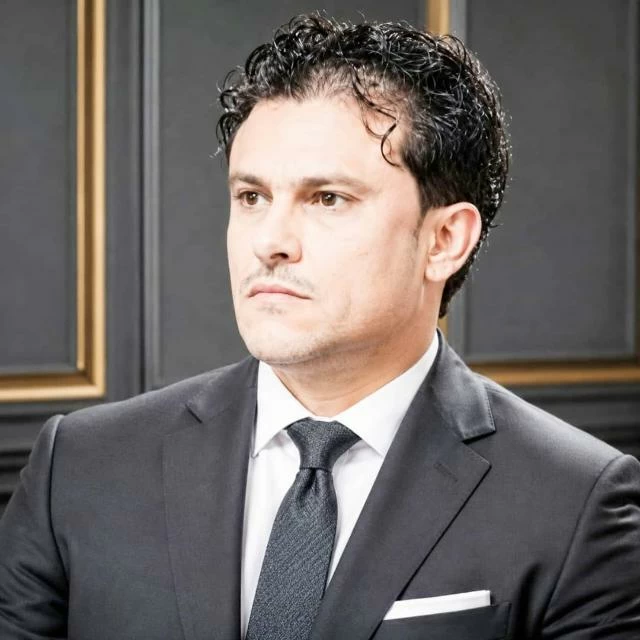
أكد المستشار الإعلامي لوزارة الاتصالات وتقنية المعلومات اليمنية وجدي السعدي، أن استعادة العاصمة المختطفة صنعاء لم يعد مجرد شعار يُرفع في المناسبات السياسية، بل غدت حتمية إستراتيجية تفرضها الوقائع على الأرض وتؤيدها مجريات الأحداث المتسارعة، جازماً بأن كافة المؤشرات السياسية والعسكرية والميدانية تؤكد بوضوح أن «طريق صنعاء بات يمر عبر فوهات البنادق، لا عبر طاولات التفاوض الهشة».
مراوغة المليشيا وجهود السلام
وأوضح السعدي في تصريح خاص لـ«عكاظ»، أن خيار الحرب والحسم العسكري بات السبيل الوحيد والاضطراري لإنقاذ اليمن، مستدلاً بانهيار كافة مسارات السلام السابقة منذ عام 2015 وحتى اليوم.
وأضاف: «لقد جُرّبت كل صيغ السلام والمشاورات بدءاً من لوزان وجنيف، مروراً بالكويت ووصولاً إلى اتفاق ستوكهولم والهدن الأممية المتعاقبة، وكانت النتيجة واحدة؛ لم تلتزم المليشيا الحوثية ببند واحد، بل استغلت تلك التهدئات كـ«استراحة محارب» لإعادة التموضع، وحفر الخنادق، وتكثيف تهريب السلاح، وتجنيد الأطفال، تحضيراً لجولات أشرس، كونها جماعة عقائدية لا تؤمن أصلاً بالسلام».
تحولات ميدانية ومتغيرات دولية
وأشار مستشار وزارة الاتصالات اليمنية إلى أن الجبهات لم تعد جامدة، لافتاً إلى التقدم النوعي الذي تحرزه وحدات القوات المسلحة والمقاومة في محاور مأرب، الجوف، تعز، الضالع، والبيضاء، بعد أن اكتسبت خبرات قتالية عالية وأمسكت بزمام المبادرة.
وأكد السعدي أن الحوثي ينزف بشرياً ومادياً بشكل يومي، وسط تصاعد متسارع للانشقاقات في صفوفه، وتململ حاضنته الشعبية في صنعاء جراء القمع والجبايات المتواصلة، فضلاً عن الانهيار الاقتصادي الحاد في مناطق سيطرته والذي عجز بسببه عن دفع الرواتب.
وفي سياق المتغيرات الإقليمية والدولية، لفت السعدي في حديثه إلى أن المجتمع الدولي بدأ يدرك يقيناً فشل سياسة «احتواء الحوثي»، وهو ما أعاد تصنيفها كجماعة إرهابية إلى الواجهة، مضيفاً هناك إجماع إقليمي متزايد على أن بقاء صنعاء رهينة بيد مليشيا تهدد الملاحة الدولية وأمن دول الجوار هو خطر وجودي لا يمكن التعايش معه، وقد أصبحت معادلة «أمن المنطقة من أمن اليمن» قناعة راسخة لدى الجميع.
غليان داخلي يسبق العاصفة
ووصف السعدي الوضع داخل العاصمة المختطفة بالقول: «صنعاء اليوم ليست صنعاء 2014؛ فالأهالي الذين انطلت عليهم شعارات المليشيا الكاذبة بافتعال محاربة الفساد، استيقظوا على واقع مرير من التجويع، تفجير المنازل، اختطاف النساء، وتطييف المناهج».
وأضاف: «السخط في شوارع صنعاء يتصاعد كالجمر تحت الرماد، والحوثي يحكم بقوة القمع لا بالقبول، وهذا النوع من الحكم الهش سيسقط مع الرصاصة الأولى للمعركة الفاصلة».
مواقف السعودية السند التاريخي
وثمّن مستشار وزارة الاتصالات اليمنية الدور الريادي والتاريخي للمملكة العربية السعودية، مؤكداً أن مواقف المملكة الأخوية كانت وما زالت «طوق النجاة» لليمن والركيزة الأساسية لحماية هويته وعروبته وثوابته الوطنية في مواجهة المشروع الحوثي.
وأشار إلى أن الدعم السعودي الشامل لليمن اتخذ أبعاداً إستراتيجية وإنسانية وتنموية لا يمكن حصرها؛ إذ شكلت المواقف الدبلوماسية والسياسية للمملكة جداراً صلباً لحماية الشرعية اليمنية في المحافل الدولية، فضلاً عن جهودها الإنسانية اللامحدودة عبر مركز الملك سلمان للإغاثة والأعمال الإنسانية، ومشاريع الدعم الاقتصادي والتنموي الرائدة من خلال البرنامج السعودي لتنمية وإعمار اليمن، والتي ساهمت في تطبيع الأوضاع بالمحافظات المحررة ومنع انهيار مؤسسات الدولة، مؤكداً أن اليمنيين لن ينسوا للمملكة وقفتها الصادقة في أحلك الظروف.
دروس التاريخ وساعة الصفر
واختتم السعدي تصريحه بالقول: «التاريخ يعلمنا أن الانقلابات والمليشيا العقائدية لا تُسقطها الأوراق والاتفاقيات، بل تسقطها البنادق، وما أُخذ بالقوة لا يُسترد إلا بها، والرهان على السلام مع جماعة تؤمن في أدبياتها وملازمها بأن الحكم حق إلهي حصري هو رهان خاسر ووهم وتبديد للوقت».
ومضى قائلاً: «السلام الهش يعني بقاء صنعاء سجناً كبيراً ومصدراً للتهديد المستمر، بينما الحسم العسكري يعني تحريرها وعودتها عاصمة لكل اليمنيين، والمعركة قادمة لا محالة بعد أن أُغلقت كل الطرق، والداخل يترقب، وأبطال الجيش في متارسهم أقسموا ألا عودة إلا وصنعاء حرة تطهرت من دنس الحوثي».
The media advisor to the Yemeni Ministry of Communications and Information Technology, Wajdi Al-Saadi, confirmed that the recovery of the kidnapped capital, Sana'a, is no longer just a slogan raised during political occasions, but has become a strategic necessity imposed by the realities on the ground and supported by the rapid developments in events. He asserted that all political, military, and field indicators clearly confirm that "the road to Sana'a now passes through the barrels of guns, not through fragile negotiation tables."
The Militia's Maneuvering and Peace Efforts
Al-Saadi explained in a special statement to "Okaz" that the option of war and military resolution has become the only and necessary way to save Yemen, citing the collapse of all previous peace tracks since 2015 until today.
He added: "All forms of peace and consultations have been tried, starting from Lausanne and Geneva, passing through Kuwait, and reaching the Stockholm Agreement and the successive UN truces, and the result has been the same; the Houthi militia has not adhered to a single clause, but rather exploited those ceasefires as a 'warrior's rest' to reposition, dig trenches, intensify arms smuggling, and recruit children, preparing for fiercer rounds, as it is an ideological group that does not believe in peace at all."
Field Transformations and International Changes
Al-Saadi pointed out that the fronts are no longer stagnant, noting the qualitative progress made by the armed forces and resistance units in the Marib, Al-Jawf, Taiz, Al-Dhale, and Al-Bayda fronts, after gaining high combat experience and seizing the initiative.
He confirmed that the Houthis are suffering human and material losses daily, amid a rapid increase in defections within their ranks, and restlessness among their popular base in Sana'a due to ongoing repression and taxes, in addition to the severe economic collapse in the areas under their control, which has prevented them from paying salaries.
In the context of regional and international changes, Al-Saadi noted in his remarks that the international community has begun to realize the failure of the "containment of the Houthis" policy, which has brought their classification as a terrorist group back to the forefront. He added that there is an increasing regional consensus that the continued hostage situation of Sana'a by a militia that threatens international navigation and the security of neighboring countries is an existential danger that cannot be coexisted with, and the equation of "the security of the region is tied to the security of Yemen" has become a firm conviction among all.
Internal Turmoil Before the Storm
Al-Saadi described the situation inside the kidnapped capital by saying: "Sana'a today is not Sana'a of 2014; the residents who were deceived by the militia's false slogans about fighting corruption have awakened to a bitter reality of starvation, house demolitions, kidnappings of women, and sectarian indoctrination in curricula."
He added: "The discontent in the streets of Sana'a is rising like embers beneath the ashes, and the Houthis rule by the force of repression, not by acceptance, and this type of fragile rule will collapse with the first bullet of the decisive battle."
Saudi Arabia's Historical Support
Al-Saadi praised the pioneering and historical role of the Kingdom of Saudi Arabia, affirming that the Kingdom's brotherly positions have been and continue to be a "lifeline" for Yemen and the essential pillar for protecting its identity, Arabism, and national constants in the face of the Houthi project.
He pointed out that the comprehensive Saudi support for Yemen has taken on strategic, humanitarian, and developmental dimensions that cannot be quantified; the diplomatic and political positions of the Kingdom have formed a solid wall to protect the Yemeni legitimacy in international forums, in addition to its unlimited humanitarian efforts through the King Salman Center for Relief and Humanitarian Works, and the pioneering economic and developmental support projects through the Saudi Program for the Development and Reconstruction of Yemen, which have contributed to normalizing conditions in the liberated provinces and preventing the collapse of state institutions. He emphasized that Yemenis will not forget the Kingdom's sincere stand in the darkest circumstances.
Lessons of History and the Zero Hour
Al-Saadi concluded his statement by saying: "History teaches us that coups and ideological militias are not toppled by papers and agreements, but are brought down by guns, and what is taken by force cannot be restored except by it. Betting on peace with a group that believes in its literature and doctrines that ruling is an exclusive divine right is a losing bet, an illusion, and a waste of time."
He went on to say: "Fragile peace means that Sana'a remains a large prison and a source of continuous threat, while military resolution means liberating it and returning it as the capital for all Yemenis. The battle is coming inevitably after all paths have been closed, and the inside is waiting, and the heroes of the army in their trenches have sworn that there will be no return until Sana'a is free from the filth of the Houthis."