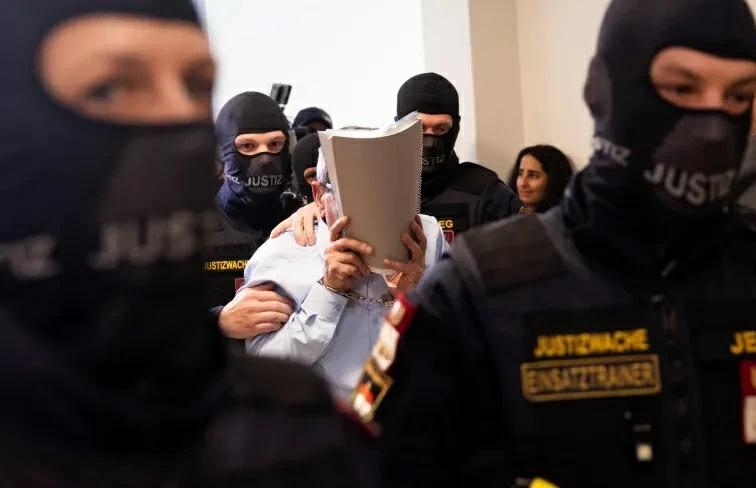
قضت محكمة نمساوية اليوم (الإثنين) بسجن ضابطين سوريين سابقين في عهد النظام المخلوع بشار الأسد، لمدة 8 سنوات لكل منهما، إثر إدانتهما بارتكاب جرائم تعذيب وانتهاكات ممنهجة بحق معتقلين داخل مراكز الاحتجاز، فيما دفع الضابطان ببراءتهما.
وأدانت المحكمة الإقليمية الجنائية في فيينا الضابطين السابقين في عهد النظام البائد؛ خالد الحلبي ومصعب أبو ركبة، بارتكاب جرائم تعذيب وانتهاكات بحق معتقلين في سورية، مع احتساب مدة التوقيف الاحتياطي من العقوبة، بحسب وكالة الأنباء السورية «سانا».
وتضمنت لائحة الاتهام التي استمرت شهراً، شهادات أكثر من 12 ضحية، أكدوا فيها أمام المحكمة تعرضهم للضرب والصعق بالكهرباء أو سكب الماء الساخن والبارد عليهم.
وكان المتهم الرئيسي الحلبي يرأس في عهد النظام السابق فرع أمن الدولة (الفرع 335) في محافظة الرقة منذ اندلاع الانتفاضة على الرئيس السابق بشار الأسد 2011 وحتى 2013، حين سيطر الجيش السوري الحر على المدينة، لكنه قال أمام المحكمة إنه ساعد في تسهيل عملية الاستيلاء وفر في اليوم التالي، وهي رحلة أوصلته في نهاية المطاف إلى النمسا، حيث تقدم لاحقاً بطلب لجوء.
ونفى خالد علمه بأي أعمال عنف بحق المحتجزين في مبنى وكالته الأمنية، أو رؤيته أداة تعذيب سيئة السمعة تعرف باسم «بساط الريح»، وهي عبارة عن لوح خشبي يربط به الضحايا عند الخصر، عثر عليها هناك بعد فراره.
غير أن المحكمة قضت بأنه كان على علم بسوء معاملة السجناء المحتجزين لديه، وأنه مسؤول عنها، وشدد القاضي بالقول: «كنت على دراية تامة بذلك».
وذكر القاضي أن المسجونين تعرضوا للضرب فور اعتقالهم، مبيناً أن النيابة العامة أكدت أن الضرب وقع في فناء المبنى.
أما المتهم الثاني مصعب أبو ركبة فكان رئيس قسم التحقيقات في المباحث الجنائية في محافظة الرقة، ووفقاً للنيابة فإنه كان يلقب بـ«ملك الموت»، ووجهت له تهم التعذيب فقط.
An Austrian court today (Monday) sentenced two former Syrian officers from the ousted regime of Bashar al-Assad to 8 years in prison each, after convicting them of committing acts of torture and systematic violations against detainees inside detention centers, while the officers pleaded not guilty.
The regional criminal court in Vienna convicted the two former officers from the fallen regime; Khaled al-Halabi and Musab Abu Rakbah, of committing acts of torture and violations against detainees in Syria, taking into account the duration of their pre-trial detention as part of the sentence, according to the Syrian news agency "SANA".
The indictment, which lasted a month, included testimonies from more than 12 victims, who confirmed before the court that they were subjected to beatings, electric shocks, or had hot and cold water poured on them.
The main accused, al-Halabi, headed the State Security branch (Branch 335) in Raqqa province during the previous regime from the outbreak of the uprising against former President Bashar al-Assad in 2011 until 2013, when the Free Syrian Army took control of the city. However, he stated in court that he helped facilitate the takeover and fled the next day, a journey that ultimately led him to Austria, where he later applied for asylum.
Al-Halabi denied any knowledge of acts of violence against detainees in his security agency's building, or having seen a notorious torture device known as the "Magic Carpet," which is a wooden board used to bind victims at the waist, found there after his escape.
However, the court ruled that he was aware of the mistreatment of the prisoners held under his authority and that he was responsible for it, with the judge emphasizing: "You were fully aware of that."
The judge noted that the prisoners were beaten immediately upon their arrest, indicating that the prosecution confirmed that the beatings occurred in the courtyard of the building.
The second accused, Musab Abu Rakbah, was the head of the investigations department in the criminal investigations in Raqqa province, and according to the prosecution, he was nicknamed "King of Death," and he was charged only with torture.