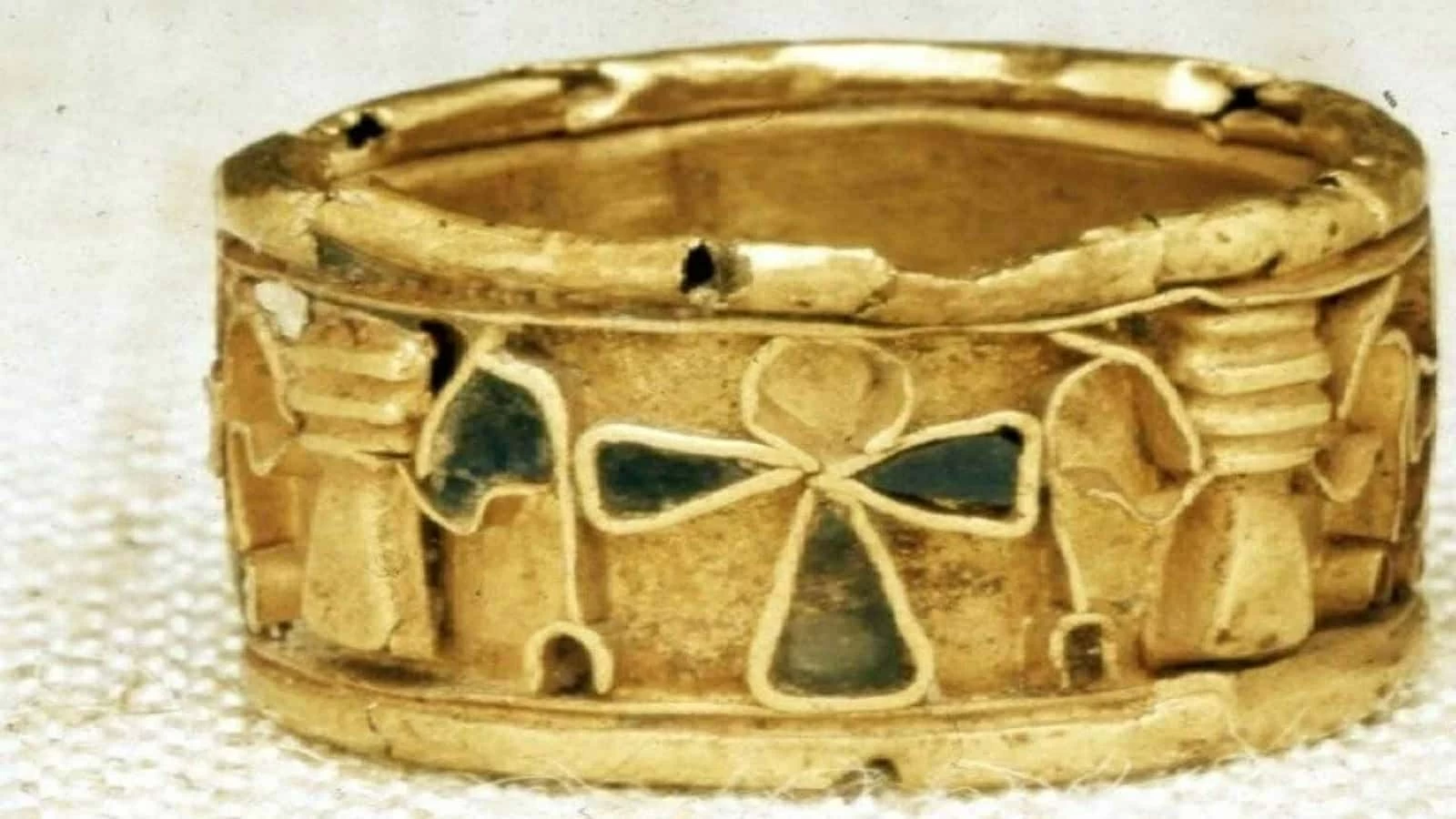
في اكتشاف أثري يعيد إحياء صفحات من تاريخ الحضارات القديمة، عثر علماء آثار روس على خاتم برونزي نادر يعود إلى أكثر من 2200 عام، يحمل نقشاً يُعتقد أنه للملكة المصرية أرسينوي الثالثة، في دليل جديد على عمق الروابط التجارية والثقافية التي جمعت مصر البطلمية بمناطق شمال البحر الأسود خلال العصر الهلنستي.
وجاء الاكتشاف خلال أعمال تنقيب في موقع أثري يُعرف باسم «مجموعة عقارات فوسكريسينسكوي-6» بمدينة أنابا الروسية المطلة على البحر الأسود، على بعد نحو 500 متر من محطة السكك الحديدية في المدينة، وفق ما أورده موقع «روسيا اليوم».
ولم يقتصر الكشف على الخاتم البرونزي، إذ عثر فريق التنقيب أيضاً على مجموعة من الأواني واللقى الأثرية التي تعود إلى العصر الهلنستي، ما يعزز القيمة التاريخية للموقع ويؤكد أهميته بوصفه أحد المراكز المرتبطة بالنشاط التجاري في تلك الحقبة.
ويحمل الخاتم نقشاً واضحاً لرأس امرأة من الجانب، وقد رجّح الخبراء أنها الملكة المصرية أرسينوي الثالثة، التي حكمت مصر بين 220 و204 قبل الميلاد. ويكتسب هذا الاكتشاف أهمية استثنائية، إذ تشير الدراسات الأولية إلى أن الخاتم صُنع خلال فترة حكمها، وهو ما يمنحه قيمة تاريخية وأثرية كبيرة.
كما أوضح الباحثون أن التأريخ الزمني لمجموعة القطع المكتشفة في الموقع، التي تضم أمفورات وأباريق وأكواباً مزخرفة، يتوافق مع فترة حكم أرسينوي الثالثة، وهو تطابق نادر في الاكتشافات الأثرية ويساعد على تحديد الإطار الزمني للموقع بدقة.
ويُعد هذا الخاتم من فئة ما يُعرف لدى علماء الآثار بـ«الخواتم البطلمية»، وهي قطع أثرية انتشرت في مناطق شمال البحر الأسود خلال النصف الثاني من القرنين الثالث والثاني قبل الميلاد، وتشكل شاهداً على اتساع النفوذ التجاري والثقافي للدولة البطلمية خارج حدود مصر.
In an archaeological discovery that revives pages from the history of ancient civilizations, Russian archaeologists have found a rare bronze ring dating back over 2200 years, bearing an inscription believed to belong to the Egyptian queen Arsinoe III, providing new evidence of the deep commercial and cultural ties that linked Ptolemaic Egypt with the regions of the northern Black Sea during the Hellenistic era.
The discovery came during excavation work at an archaeological site known as “Voskresenskoye-6 Property Group” in the Russian city of Anapa, overlooking the Black Sea, about 500 meters from the city's railway station, according to the website “Russia Today.”
The revelation was not limited to the bronze ring; the excavation team also uncovered a collection of vessels and artifacts dating back to the Hellenistic period, which enhances the historical value of the site and confirms its importance as one of the centers associated with commercial activity during that era.
The ring features a clear inscription of a woman's head in profile, and experts have suggested that it is the Egyptian queen Arsinoe III, who ruled Egypt from 220 to 204 BC. This discovery holds exceptional significance, as preliminary studies indicate that the ring was made during her reign, granting it considerable historical and archaeological value.
Researchers also clarified that the dating of the discovered artifacts at the site, which includes amphorae, jugs, and decorated cups, aligns with the reign of Arsinoe III, a rare match in archaeological discoveries that helps accurately determine the chronological framework of the site.
This ring is classified among what archaeologists refer to as “Ptolemaic rings,” which are artifacts that spread in the northern Black Sea regions during the second half of the third and second centuries BC, serving as a testament to the expansion of the commercial and cultural influence of the Ptolemaic state beyond the borders of Egypt.