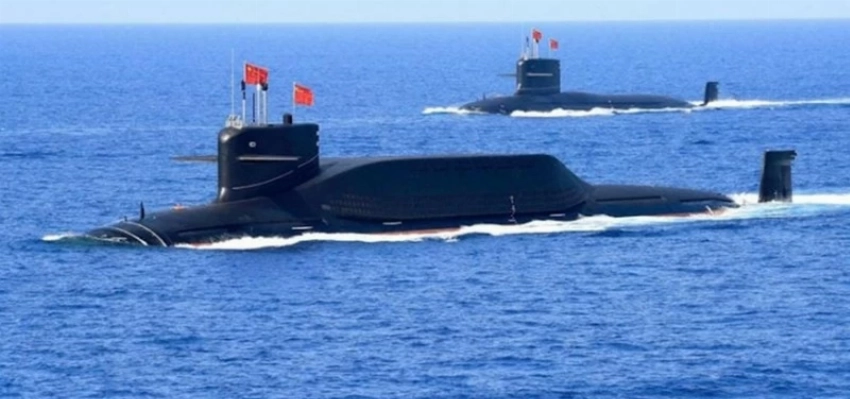
أعلنت وسائل إعلام رسمية صينية أن البحرية التابعة لجيش التحرير الشعبي أجرت، اليوم (الإثنين)، تجربة إطلاق صاروخ من غواصة نووية باتجاه المحيط الهادئ، في خطوة أثارت انتقادات ومخاوف من جانب اليابان وأستراليا ونيوزيلندا، التي اعتبرت أن مثل هذه التحركات تزيد من التوترات الأمنية في المنطقة.
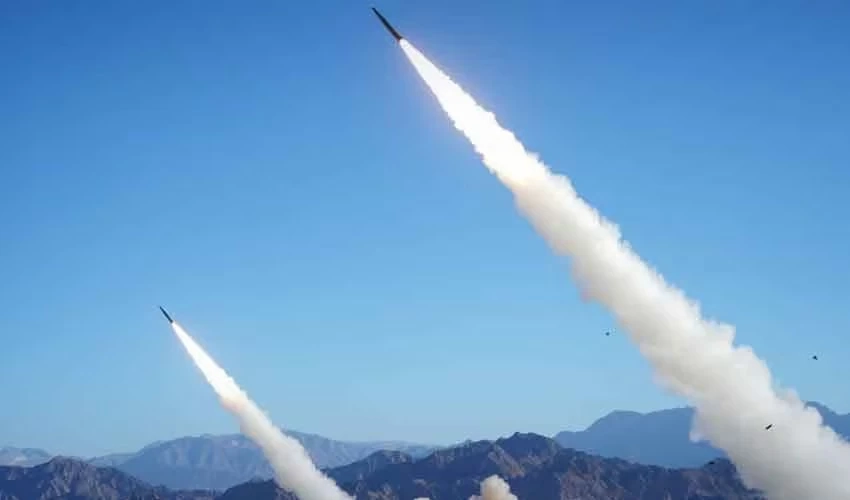
وذكرت وكالة أنباء «شينخوا» الرسمية أن غواصة نووية تابعة للبحرية الصينية أطلقت الصاروخ، المزود برأس حربي وهمي، عند الساعة 12:01 ظهرًا بالتوقيت المحلي، باتجاه المياه الدولية في المحيط الهادئ، مؤكدة أن الصاروخ سقط في «منطقة بحرية محددة سلفًا»، دون الكشف عن موقعها أو تفاصيل إضافية بشأن مسار الرحلة أو نوع الصاروخ المستخدم.
وأوضحت الوكالة أن عملية الإطلاق تأتي ضمن «الترتيبات الروتينية» للتدريبات العسكرية السنوية التي تنفذها القوات المسلحة الصينية، مشددة على أن التجربة لا تستهدف أي دولة أو جهة بعينها، وأنها تندرج في إطار خطط التدريب المعتادة لتعزيز الجاهزية العسكرية.
ورغم هذا التوضيح، أثارت التجربة ردود فعل سريعة من عدد من دول المنطقة، حيث اعتبرت وزيرة الخارجية الأسترالية، بيني وونغ، أن الإخطار المسبق الذي تلقته كان خطوة إيجابية، لكنها وصفت عملية الإطلاق بأنها «عامل يزعزع الاستقرار» في منطقة المحيطين الهندي والهادئ.
وقالت وونغ، خلال مؤتمر صحفي في العاصمة الفيجية سوفا، إن أستراليا تنظر إلى الاختبار في سياق التوسع العسكري السريع الذي تشهده الصين، مؤكدة أن بكين لا توفر القدر الكافي من الشفافية أو الطمأنة بشأن أهدافها العسكرية، وهو ما يثير قلق دول المنطقة.
من جانبها، أعلنت الحكومة اليابانية أنها تلقت إشعارًا مسبقًا بشأن التجربة، لكنها أعربت عن «قلق بالغ» إزاء النشاط العسكري الصيني المتزايد، داعية بكين إلى إعادة النظر في مثل هذه الاختبارات.
وأوضحت طوكيو أن السلطات الصينية أبلغت خفر السواحل الياباني، أمس (الأحد)، باحتمال سقوط حطام مرتبط بعملية الإطلاق داخل المنطقة الاقتصادية الخالصة لليابان، إلا أن وكالة «كيودو» اليابانية نقلت عن مصدر حكومي أن الصاروخ سقط في نهاية المطاف خارج تلك المنطقة.
بدورها، أعربت نيوزيلندا عن قلقها العميق إزاء التجربة، وقال وزير الخارجية وينستون بيترز إن بلاده أُبلغت بإطلاق الصاروخ قبل ساعات قليلة من تنفيذه، معتبرًا أن استخدام جنوب المحيط الهادئ لاختبار القدرات الصاروخية الصينية يمثل تطورًا غير مرحب به.
وأضاف بيترز أن بلاده، شأنها شأن جيرانها في دول المحيط الهادئ، لا ترغب في أن تتحول المنطقة إلى ساحة لاختبارات عسكرية قد تؤدي إلى زيادة التوترات أو تهدد الأمن والاستقرار الإقليمي.
ويأتي هذا الاختبار في ظل تنامي القدرات العسكرية الصينية خلال السنوات الأخيرة، بالتزامن مع برامج واسعة لتحديث القوات البحرية والجوية والصاروخية.
وكانت بكين قد أجرت في عام 2024 تجربة نادرة لإطلاق صاروخ باليستي عابر للقارات، وهو ما اعتبر آنذاك مؤشرًا على التطور المتسارع في قدراتها العسكرية والإستراتيجية.
ويرى مراقبون أن استمرار الصين في تنفيذ مثل هذه الاختبارات يعكس سعيها لتعزيز قوة الردع الإستراتيجية وتوسيع نفوذها العسكري في منطقة آسيا والمحيط الهادئ، في وقت تتزايد فيه المنافسة الجيوسياسية مع الولايات المتحدة وحلفائها، وسط دعوات متكررة إلى تعزيز الشفافية العسكرية وتجنب أي خطوات قد تؤدي إلى تصعيد التوترات في المنطقة.
Chinese state media announced that the navy of the People's Liberation Army conducted a missile launch test from a nuclear submarine towards the Pacific Ocean today (Monday), a move that has drawn criticism and concerns from Japan, Australia, and New Zealand, which believe such actions increase security tensions in the region.
The official Xinhua News Agency reported that a nuclear submarine from the Chinese navy launched the missile, equipped with a dummy warhead, at 12:01 PM local time, towards international waters in the Pacific, confirming that the missile fell in a "pre-designated maritime area," without disclosing its location or additional details about the flight path or the type of missile used.
The agency clarified that the launch operation is part of the "routine arrangements" for the annual military exercises conducted by the Chinese armed forces, emphasizing that the test does not target any specific country or entity and falls within the framework of regular training plans to enhance military readiness.
Despite this clarification, the test provoked swift reactions from several countries in the region, with Australian Foreign Minister Penny Wong stating that the prior notification she received was a positive step, but she described the launch as a "destabilizing factor" in the Indo-Pacific region.
Wong said during a press conference in the Fijian capital Suva that Australia views the test in the context of China's rapid military expansion, stressing that Beijing does not provide sufficient transparency or reassurance regarding its military objectives, which raises concerns among countries in the region.
For its part, the Japanese government announced that it had received prior notification about the test, but expressed "serious concern" over the increasing Chinese military activity, urging Beijing to reconsider such tests.
Tokyo explained that Chinese authorities informed the Japanese Coast Guard yesterday (Sunday) about the possibility of debris related to the launch falling within Japan's exclusive economic zone, but the Kyodo News Agency reported from a government source that the missile ultimately fell outside that area.
New Zealand also expressed deep concern over the test, with Foreign Minister Winston Peters stating that his country was informed of the missile launch just a few hours before it was carried out, considering the use of the South Pacific for testing Chinese missile capabilities an unwelcome development.
Peters added that his country, like its neighbors in the Pacific, does not wish for the region to become a testing ground for military exercises that could increase tensions or threaten regional security and stability.
This test comes amid the growing military capabilities of China in recent years, alongside extensive programs to modernize naval, aerial, and missile forces.
In 2024, Beijing conducted a rare test of an intercontinental ballistic missile, which was considered at the time an indication of the rapid development of its military and strategic capabilities.
Observers believe that China's continued execution of such tests reflects its efforts to enhance strategic deterrence and expand its military influence in the Asia-Pacific region, at a time when geopolitical competition with the United States and its allies is increasing, amid repeated calls for enhanced military transparency and to avoid any steps that could escalate tensions in the region.