دخل حلف شمال الأطلسي (الناتو) مرحلة جديدة من تعزيز قدراته الدفاعية، إذ انتقل من مرحلة التعهدات بزيادة الإنفاق العسكري إلى اختبار التنفيذ الفعلي، وسط تحديات متزايدة تتعلق بسرعة تحويل الموازنات الضخمة إلى قدرات قتالية على الأرض.
عالقون بين روسيا وأمريكا
واعتبرت «وول ستريت جورنال»، أن حلفاء الناتو وجدوا أنفسهم عالقين بين روسيا، التي تزيد من عدوانيتها وتسليحها في الشرق، والرئيس دونالد ترمب الذي يشكك في أهمية الحلف غرباً، إذ أعلنت واشنطن خططاً لتقليص الالتزامات العسكرية الأمريكية تجاه أوروبا.
وقبيل قمة قادة الحلف المرتقبة في أنقرة، أكد الأمين العام للناتو مارك روته، أن التركيز لم يعد منصباً على الوعود، بل على تنفيذ الخطط الدفاعية، مشيراً إلى أن الدول الأعضاء مطالبة بتسريع إنتاج الأسلحة وتعزيز جاهزية قواتها لمواجهة التحديات الأمنية المتصاعدة.
إنفاق قياسي وضغوط متزايدة
شهد الإنفاق العسكري لدول الناتو ارتفاعاً ملحوظاً خلال العام الماضي، حيث بلغ نحو 574 مليار دولار، فيما رفعت ألمانيا وحدها إنفاقها الدفاعي إلى 114 مليار دولار، مع خطط للوصول إلى نحو 180 مليار دولار بحلول عام 2029.
إلا أن هذا التدفق المالي كشف أزمة جديدة، تتمثل في محدودية الطاقة الإنتاجية لشركات الصناعات الدفاعية، التي تواجه طلباً متزايداً على الأسلحة والذخائر، في وقت لا تزال فيه خطوط الإنتاج تعمل تحت ضغط الحرب في أوكرانيا واستنزاف المخزونات العسكرية الغربية.
وأكد روته أن الحلف اقترب من حدود القدرة الاستيعابية للصناعة الدفاعية، لافتاً إلى أن دول الناتو طلبت أسلحة من شركات أمريكية بقيمة تقارب 300 مليار دولار.
التجنيد والصناعة... تحديان رئيسيان
إلى جانب أزمة التصنيع، يواجه الحلف تحدياً آخر يتمثل في تجنيد وتدريب أعداد كافية من الجنود لدعم خطط توسيع الجيوش الأوروبية.
وحذر مسؤولون من أن تعدد برامج تصنيع المعدات العسكرية داخل أوروبا يقلل من الكفاءة ويرفع التكاليف، في وقت تحتاج فيه الدول إلى توحيد جهودها والتركيز على أنظمة الدفاع الجوي والصواريخ بعيدة المدى، إضافة إلى تطوير قدرات الاستخبارات والاتصالات والأنظمة غير المأهولة.
ترمب يضغط وأوروبا تستجيب
في المقابل، يواصل الرئيس الأمريكي دونالد ترمب الضغط على الحلفاء الأوروبيين لزيادة مساهماتهم الدفاعية، معتبراً أن الولايات المتحدة تتحمل العبء الأكبر داخل الناتو.
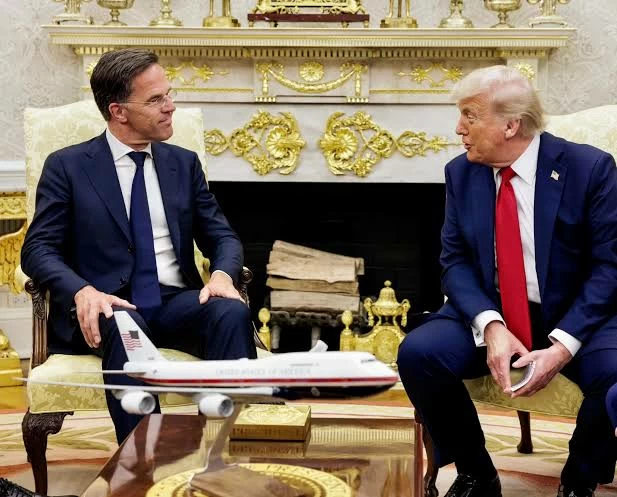
وخلال لقاء جمعه بترمب، وصف روته خطة رفع الإنفاق الدفاعي الأوروبي والكندي بأنها «تريليون ترمب»، في إشارة إلى استجابة الحلفاء للمطالب الأمريكية بتقاسم الأعباء العسكرية.
قمة أنقرة... من التمويل إلى القدرات
ومن المنتظر أن تشهد قمة أنقرة، إلى جانب المنتدى الصناعي المصاحب لها، الإعلان عن عقود دفاعية واتفاقيات إنتاج مشترك بمليارات الدولارات، بهدف تسريع تصنيع الأسلحة وتعزيز القاعدة الصناعية الدفاعية.
ويرى مسؤولو الناتو أن نجاح الحلف لن يقاس بحجم الأموال التي تُنفق، بل بقدرته على تحويلها إلى أنظمة قتالية حديثة، مستفيداً من الدروس المستخلصة من الحرب في أوكرانيا، خصوصاً في مجال الابتكار السريع وتطوير الطائرات المسيّرة والتقنيات العسكرية المتطورة، بما يعزز جاهزية الحلف لمواجهة التحديات الأمنية المستقبلية.
NATO has entered a new phase of strengthening its defensive capabilities, moving from a stage of commitments to increase military spending to testing actual implementation, amid increasing challenges related to the rapid transformation of massive budgets into combat capabilities on the ground.
Stuck Between Russia and America
The Wall Street Journal noted that NATO allies found themselves stuck between Russia, which is increasing its aggression and armament in the East, and President Donald Trump, who questions the importance of the alliance in the West, as Washington announced plans to reduce American military commitments to Europe.
Prior to the upcoming NATO leaders' summit in Ankara, NATO Secretary General Mark Rutte confirmed that the focus is no longer on promises, but on implementing defense plans, pointing out that member states are required to accelerate weapons production and enhance their forces' readiness to face escalating security challenges.
Record Spending and Increasing Pressures
NATO countries' military spending saw a significant increase over the past year, reaching about $574 billion, while Germany alone raised its defense spending to $114 billion, with plans to reach around $180 billion by 2029.
However, this financial influx revealed a new crisis, characterized by the limited production capacity of defense industry companies, which are facing increasing demand for weapons and ammunition, while production lines are still operating under the pressure of the war in Ukraine and the depletion of Western military stockpiles.
Rutte confirmed that the alliance is nearing the capacity limits of the defense industry, noting that NATO countries have requested weapons from American companies worth nearly $300 billion.
Recruitment and Industry... Major Challenges
In addition to the manufacturing crisis, the alliance faces another challenge in recruiting and training enough soldiers to support plans for expanding European armies.
Officials warned that the multiplicity of military equipment manufacturing programs within Europe reduces efficiency and increases costs, at a time when countries need to unify their efforts and focus on air defense systems and long-range missiles, in addition to developing intelligence, communications, and unmanned systems capabilities.
Trump Pressures and Europe Responds
In contrast, U.S. President Donald Trump continues to pressure European allies to increase their defense contributions, considering that the United States bears the largest burden within NATO.
During a meeting with Trump, Rutte described the plan to raise European and Canadian defense spending as the "Trillion Trump," referring to the allies' response to American demands for sharing military burdens.
Ankara Summit... From Funding to Capabilities
The Ankara summit, along with its accompanying industrial forum, is expected to witness the announcement of defense contracts and joint production agreements worth billions of dollars, aimed at accelerating weapons manufacturing and enhancing the defense industrial base.
NATO officials believe that the alliance's success will not be measured by the amount of money spent, but by its ability to transform it into modern combat systems, benefiting from lessons learned from the war in Ukraine, especially in the areas of rapid innovation and the development of drones and advanced military technologies, thereby enhancing the alliance's readiness to face future security challenges.