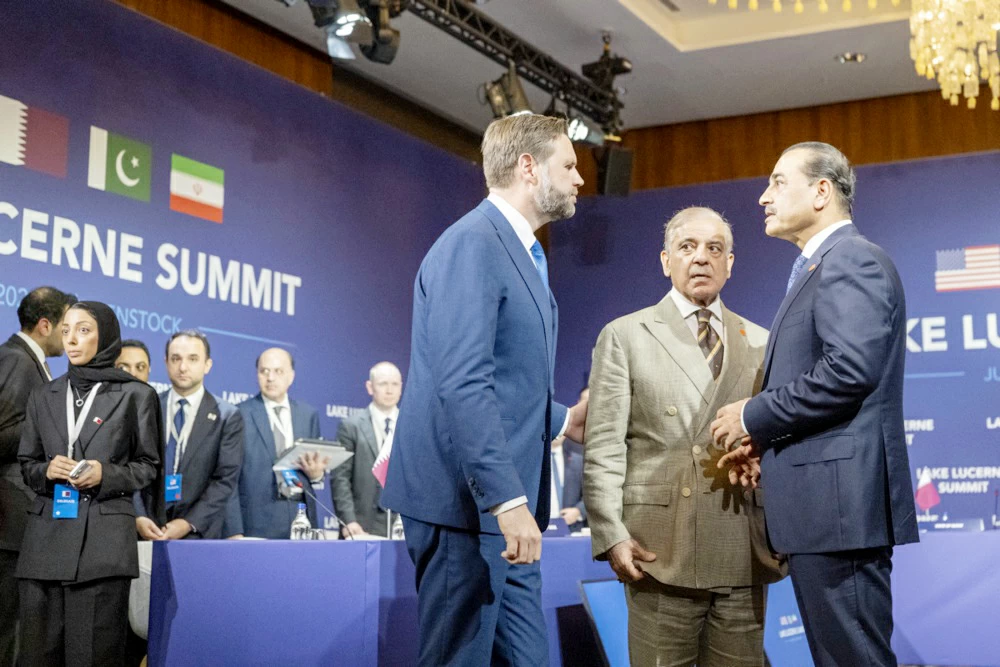
تثبت الوقائع السياسية أن الدبلوماسية قد تؤجل الحروب لكنها نادراً ما تلغيها. ومشهد توقيع الرئيس دونالد ترمب على مذكرة ١٧ يونيو هو وقت مستقطع، فُصِّل على مقاس الحسابات الانتخابية والبراغماتية للبيت الأبيض. وإن كان اختيار ترمب لقصر فرساي منصة للحدث ليضفي عليه هيبة تاريخية توحي بفرض شروطه وتوازناته، فإن كواليس المشهد تعكس حقيقة أعقد، إذ إن المفاوضات الشاقة التي أدارها نائبه جي دي فانس من إسلام آباد وصولاً إلى جنيف، لم تنتج تسوية نهائية بل تمخضت عن مهلة ستين يوماً فقط وهي نافذة مؤقتة لتجميد الصراع، يبحث فيها كل طرف عن ثغرة ينفذ منها لخنق خيارات الآخر قبل استحقاق الخريف القادم.
طهران ورهان التقاط الأنفاس:
في العودة إلى أرشيف المنطقة وتحديداً قبل عقد من الزمن، خلال توقيع الاتفاق النووي الأول عام 2015، كان التفاؤل الإيراني يملأ شاشات التلفزة عبر وعود سياسية هشة انهار مفعولها سريعاً بمجرد تغيّر الإدارة الأمريكية وتغير حسابات المصالح في واشنطن. اليوم يتكرر المشهد الإيراني بنفس الارتياح، حيث تبني طهران روايتها الداخلية على فكرة الصمود التي أثمرت بنوداً تفاوضية واعدة تشمل الحديث عن تسييل مبيعات النفط، والإفراج المفترض عن 24 مليار دولار من أموالها المحتجزة، ووعوداً بصندوق إعمار ضخم. هذه الانفراجة المالية الموعودة تسعى طهران لتوظيفها مستقبلاً لالتقاط الأنفاس وتأمين جبهتها الداخلية مع ترحيل الملفات الشائكة كتفكيك الصواريخ والمفاعلات الحساسة إلى لجان فنية معقدة ووعود مؤجلة.
في واشنطن، يتحرك البيت الأبيض بعقلية تجارية براغماتية بحتة لا مكان فيها للعواطف. إذ تقوم إستراتيجية نائب الرئيس جي دي فانس وفريقه، الذي يضم جاريد كوشنر وستيف ويتكوف، على حسابات الربح والخسارة المباشرة. ترى الإدارة الأمريكية في مذكرة التفاهم أداة عملية لضبط السلوك الإيراني عبر حوافز اقتصادية مشروطة بآليات تحقق صارمة، وهي بذلك تسعى لفتح المضائق وتأمين ممرات الطاقة العالمية وخفض أسعار النفط لتجنّب الكساد. لا تقدّم واشنطن هدايا مجانية بل تعتمد معادلة تربط أي انتعاش مالي مستقبلي بخطوات ملموسة على الأرض، مثل عودة المفتشين الدوليين وتجميد التخصيب.. ما يجعل تلك الوعود حبلاً دبلوماسياً يقيد طهران تدريجياً مع الاحتفاظ بورقة العقوبات التلقائية الجاهزة للتفعيل الفوري عند نهاية المهلة.
ومع ذلك، تصطدم هذه الحسابات الباردة بحقائق ميدانية بالغة التعقيد. فالمعطيات المتواترة من مراكز التخطيط الأمني في واشنطن وتل أبيب تشير إلى أن الأرقام الموعودة التي تأمل طهران في تحصيلها، تضع في مقدمة أولوياتها ترميم العقيدة العسكرية وتأهيل الترسانة من الصواريخ الباليستية والمسيّرات إلى جانب تعزيز الجبهة الأمامية في لبنان. فطهران ما زالت تعتبر الساحة اللبنانية ضلعاً وجودياً في منظومة ردعها.. لذلك وظفت ثقلها الدبلوماسي لانتزاع «خلية فض الاشتباك» برعاية باكستانية وقطرية لتوفير مظلة أمان تتيح لحزب الله التقاط الأنفاس وإعادة تموضعه ميدانياً، في مؤشر عملي على أن جبهات الصراع لا تتجه نحو التهدئة، بل تعيد حشد أوراقها وقواها استعداداً لصدام مؤجل.
نتنياهو في وجه الحسابات الباردة
هذا الانبعاث الإقليمي يضع مذكرة فرساي في مواجهة مباشرة مع حقل ألغام تقوده تل أبيب. فرئيس الوزراء الإسرائيلي بنيامين نتنياهو يقف بالمرصاد لأي تسوية، وقد أعلن صراحة خلال الساعات الماضية أنه لن يسمح لإيران بالحصول على سلاح نووي، ومؤكداً أن أي فرصة تتيح لإيران أو لحزب الله استعادة هامش الحركة تمثل خطاً أحمر بالنسبة إلى إسرائيل. هذه النبرة الإسرائيلية الحادة وتأكيده على أنه لم يطلب إذناً من ترمب لتنفيذ هجومه الأخير على إيران بل أبلغه به فحسب، تعكس رغبة واضحة في فرض وقائع ميدانية قسرية تتجاوز حسابات البيت الأبيض الباردة. وقد يكون هذا الموقف بمثابة قوة دفع لصقور الحزب الجمهوري في الكونغرس للضغط على الإدارة، استناداً إلى وجود أصوات مثل وزير الخارجية ماركو روبيو، مما يجعل التهدئة الحالية في مهب الريح أمام أي خرق ميداني يتعمد خلط الأوراق.
ينتهي منطق المناورة عند حدود الواقع، فمذكرة فرساي لم تضع أوزار الحرب بقدر ما نقلت المعركة من الميدان العسكري إلى الطاولات. القيمة الوحيدة لهذه المهلة المؤقتة، هي منح العواصم فرصة للتراجع عن مواجهة شاملة غير محسوبة الكلفة، لكنها تركت الألغام الحقيقية بلا تفكيك. الستون يوماً القادمة هي المحك الفعلي للمناورة: إما أن تثبت واشنطن قدرتها على ترويض طهران بالأرقام والشروط الصارمة، أو أن تفشل جولات التفاصيل في تقييد القدرات العسكرية الإيرانية، لتصبح مذكرة التفاهم حبراً على ورق وتستيقظ المنطقة على وقع مواجهة مفتوحة مع حلول الخريف.
The political facts prove that diplomacy may postpone wars, but it rarely cancels them. The scene of President Donald Trump signing the memorandum on June 17 is a timeout, tailored to the electoral calculations and pragmatism of the White House. While Trump's choice of the Palace of Versailles as the event's platform adds a historical prestige suggesting the imposition of his terms and balances, the behind-the-scenes reality reflects a more complex truth. The arduous negotiations managed by his deputy, JD Vance, from Islamabad to Geneva did not produce a final settlement but resulted in a mere sixty-day deadline, which is a temporary window to freeze the conflict, during which each party seeks a loophole to exploit in order to suffocate the other's options before the upcoming autumn deadline.
Tehran and the Bet on Catching Breath:
Returning to the region's archives, specifically a decade ago during the signing of the first nuclear agreement in 2015, Iranian optimism filled television screens through fragile political promises that quickly collapsed once the U.S. administration changed and the calculations of interests in Washington shifted. Today, the Iranian scene is repeating itself with the same comfort, as Tehran builds its internal narrative on the idea of resilience, which has yielded promising negotiating terms that include discussions about monetizing oil sales, the supposed release of $24 billion of its frozen funds, and promises of a massive reconstruction fund. This promised financial breakthrough seeks to be utilized by Tehran in the future to catch its breath and secure its internal front while deferring thorny issues like dismantling missiles and sensitive reactors to complex technical committees and postponed promises.
In Washington, the White House operates with a purely pragmatic business mentality where there is no room for emotions. The strategy of Vice President JD Vance and his team, which includes Jared Kushner and Steve Witkoff, is based on direct profit and loss calculations. The U.S. administration sees the memorandum of understanding as a practical tool to regulate Iranian behavior through economic incentives conditioned on strict verification mechanisms. In doing so, it seeks to open the straits, secure global energy corridors, and lower oil prices to avoid recession. Washington does not offer free gifts but relies on an equation that ties any future financial recovery to tangible steps on the ground, such as the return of international inspectors and freezing enrichment... which makes those promises a diplomatic rope that gradually constrains Tehran while retaining the option of automatic sanctions ready for immediate activation at the end of the deadline.
However, these cold calculations collide with highly complex field realities. The recurring data from security planning centers in Washington and Tel Aviv indicate that the promised figures that Tehran hopes to obtain prioritize restoring military doctrine and rehabilitating its arsenal from ballistic missiles and drones, alongside strengthening the front line in Lebanon. Tehran still considers the Lebanese arena an existential component of its deterrence system... therefore, it has leveraged its diplomatic weight to extract a "de-escalation cell" under Pakistani and Qatari sponsorship to provide a security umbrella that allows Hezbollah to catch its breath and reposition itself on the ground, in a practical indication that the conflict fronts are not heading towards de-escalation but are instead regrouping their cards and forces in preparation for a postponed clash.
Netanyahu Against Cold Calculations
This regional resurgence places the Versailles memorandum in direct confrontation with a minefield led by Tel Aviv. Israeli Prime Minister Benjamin Netanyahu stands ready to oppose any settlement, having explicitly stated in recent hours that he will not allow Iran to acquire nuclear weapons, affirming that any opportunity that allows Iran or Hezbollah to regain a margin of movement represents a red line for Israel. This sharp Israeli tone and his insistence that he did not seek Trump's permission to carry out his recent attack on Iran but merely informed him of it reflect a clear desire to impose coercive field realities that exceed the cold calculations of the White House. This position may serve as a driving force for the hawks of the Republican Party in Congress to pressure the administration, based on the presence of voices like Secretary of State Marco Rubio, making the current de-escalation vulnerable to any field breach that intentionally mixes the cards.
The logic of maneuvering ends at the limits of reality; the Versailles memorandum did not lay down the burdens of war as much as it shifted the battle from the military field to the negotiating tables. The only value of this temporary deadline is to give capitals a chance to retreat from an uncalculated comprehensive confrontation, but it left the real mines unaddressed. The next sixty days are the actual test of maneuvering: either Washington proves its ability to tame Tehran with numbers and strict conditions, or the rounds of details fail to constrain Iranian military capabilities, making the memorandum of understanding ink on paper and waking the region to the sound of an open confrontation as autumn approaches.