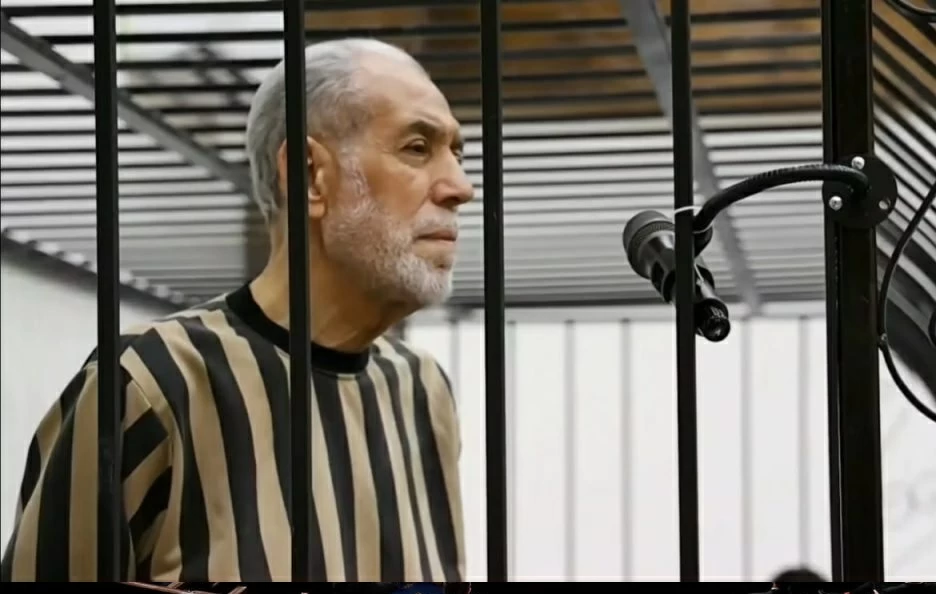
عقدت محكمة الجنايات الرابعة بدمشق اليوم (الخميس)، أولى جلساتها لمحاكمة مفتي النظام المخلوع أحمد حسون.
وذكر التلفزيون السوري أن أحمد حسون مثل أمام المحكمة في القصر العدلي بدمشق الخاصة بالعدالة الانتقالية، بتهمة التورط في ارتكاب جرائم عدة بحق الشعب السوري خلال عهد النظام المخلوع بشار الأسد.
وأضاف التلفزيون أن قرار الاتهام استند إلى جملة من الوقائع المرتبطة بعلاقة المفتي السابق لدى النظام المخلوع، واستغلاله منصبه الرسمي لتحقيق مصالح شخصية، إضافة إلى إقامته قنوات تواصل واسعة خارج الأطر الرسمية مع رأس نظام بشار الأسد، ومدير إدارة مخابراته العامة علي مملوك الذي يعد من أكثر الشخصيات الأمنية نفوذاً في عهد الأسد، ولقب حينها بـ«الصندوق الأسود» للنظام، نظراً لإشرافه على تنسيق عمل الأجهزة الأمنية واطلاعه على أكثر الملفات حساسية، وعدد من كبار ضباط الجيش وقادة المليشيات الطائفية التي شاركت في القتال داخل سورية.
واتهم الادعاء حسون بإلقاء محاضرات أمام ضباط وعناصر قوات النظام السابق، دعا خلالها إلى دعم النظام في مواجهة معارضيه والاستمرار في القتال ضدهم، ومشاركته لقاءات إعلامية وإطلاقه تصريحات اعتُبرت تحريضية ضد المدنيين في المناطق الثائرة والمهجرين منها، كما دعا إلى تدمير تلك المناطق وقتل المعارضين، وحثّ المدنيين على إخلائها، ولقب حينها بـ «مفتي البراميل».
وتضمنت لائحة الاتهام توجيهه تهديدات لأهالي محافظة إدلب بالقتل والتهجير، وإشادته بممارسات ضابط النظام المخلوع عصام زهر الدين، وإعلانه تأييده لقائد الحرس الثوري الإيراني قاسم سليماني، فضلاً عن دعمه وتبريره للانتهاكات والجرائم المنسوبة إلى قوات النظام السابق.
ونشرت وزارة العدل السورية، عبر معرفاتها الرسمية، رابطاً للبث المباشر لمحاكمة المتهم أحمد حسون الذي ظهر في قفص الاتهام، بينما جرت تلاوة التهم الموجهة إليه.
وعلى مدى سنوات، كان أحمد بدر الدين حسون يظهر بصفته مفتي الجمهورية السورية، يدلي بخطب وتصريحات تجاوزت الشأن الديني إلى السياسة والحرب، لتصبح اليوم تلك الكلمات مجرد مواقف ألقيت من على المنابر أو عبر شاشات التلفزيون، بل أصبحت جزءاً من ملف اتهام ينظر فيه القضاء السوري.
كما وجهت لحسون اتهام بتأييد قائد الحرس الجمهوري لنظام الأسد اللواء عصام زهر الدين علناً ودعم جرائمه.
The Fourth Criminal Court in Damascus held its first session today (Thursday) to trial the ousted regime's Mufti Ahmad Hassoun.
The Syrian television reported that Ahmad Hassoun appeared before the court in the Judicial Palace in Damascus, which is dedicated to transitional justice, on charges of involvement in committing several crimes against the Syrian people during the era of the ousted regime of Bashar al-Assad.
The television added that the indictment was based on a series of facts related to the former mufti's relationship with the ousted regime, his exploitation of his official position for personal gain, as well as his establishment of extensive communication channels outside the official frameworks with the head of Bashar al-Assad's regime and the director of its General Intelligence, Ali Mamlouk, who is considered one of the most influential security figures during Assad's era and was dubbed the "black box" of the regime due to his oversight of coordinating the work of security agencies and his access to the most sensitive files, along with several senior army officers and leaders of sectarian militias that participated in the fighting within Syria.
The prosecution accused Hassoun of giving lectures to officers and members of the former regime's forces, during which he called for supporting the regime in its confrontation with its opponents and continuing to fight against them, as well as participating in media meetings and making statements that were considered incitements against civilians in the rebellious areas and those displaced from them. He also called for the destruction of those areas and the killing of opponents, urging civilians to evacuate them, earning him the title of "Mufti of Barrels" at that time.
The indictment included accusations of him threatening the residents of Idlib province with death and displacement, praising the practices of the ousted regime's officer Issam Zahreddine, and announcing his support for the Iranian Revolutionary Guard leader Qassem Soleimani, in addition to his support and justification of the violations and crimes attributed to the former regime's forces.
The Syrian Ministry of Justice published, through its official channels, a link for the live broadcast of the trial of the accused Ahmad Hassoun, who appeared in the dock while the charges against him were being read.
For years, Ahmad Badreddin Hassoun appeared as the Mufti of the Syrian Republic, delivering sermons and statements that transcended religious matters to politics and war, and today those words have become mere positions delivered from platforms or through television screens, but have become part of a file of accusations being considered by the Syrian judiciary.
Hassoun was also accused of publicly supporting the commander of the Assad regime's Republican Guard, Major General Issam Zahreddine, and endorsing his crimes.