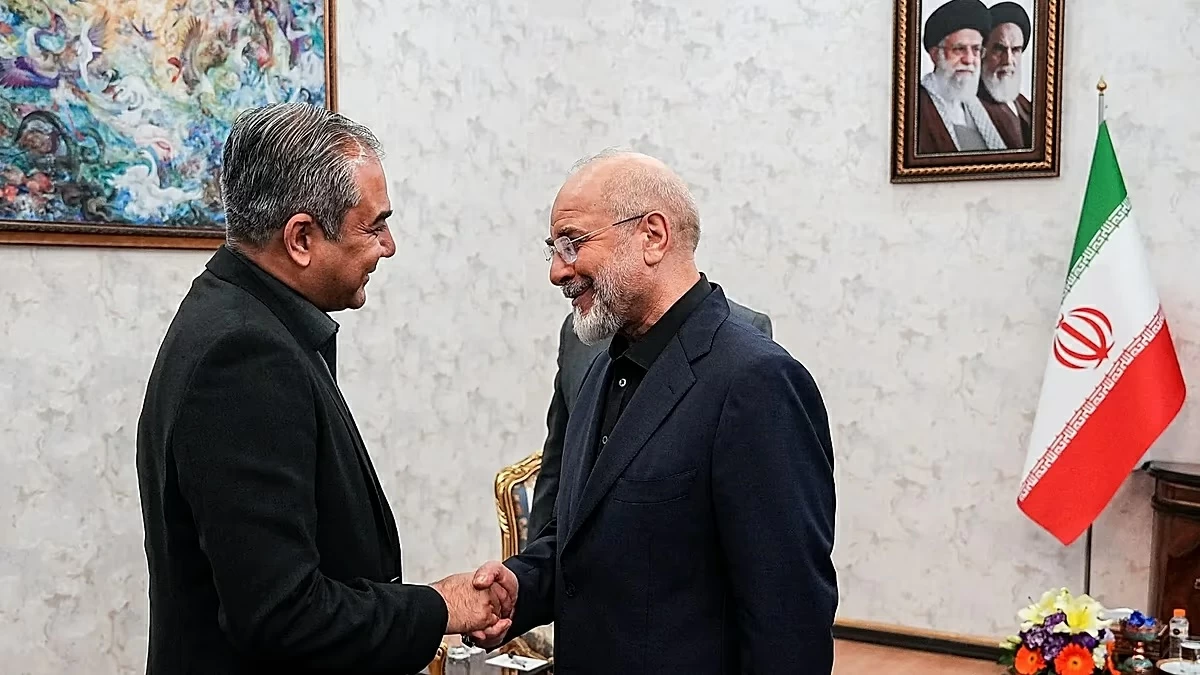
فيما تصاعد التوتر بين إيران وأمريكا عقب الضربات المتبادلة بينهما خلال الساعات الماضية، يصل وزير الداخلية الباكستاني محسن نقوي إلى طهران، اليوم (السبت)، للقاء مسؤولين إيرانيين، وفق ما أفادت وكالة «مهر».
مناقشة التوصل لمذكرة تفاهم
وكشفت المصادر عنتقدم بشأن الأموال المجمدة، مع بقاء الخلاف حول حجم وموعد الإفراج عنها.وأضافت أن وزير داخلية باكستان يحمل رسالة من قائد الجيش عاصم منير إلى المرشد الإيراني مجتبى خامنئي.
وأفادت بأن ئيس وزراء باكستان شهباز شريف سلم وزير الداخلية تعليمات خاصة بشأن المفاوضات.
وحسب المصادر ذاتها ، فإن نقوي سيناقش في طهران سبل التوصل لمذكرة تفاهم، ولفتت إلى أن الرسائل بين أمريكا وإيران تُنقل عبر وزير الخارجية الإيراني عباس عراقجي والمبعوث الأمريكي ستيف ويتكوف.
وذكرت أن الرئيس دونالد ترمب أبلغ الوسطاء أنه لا يريد أن تمتد المفاوضات أكثر من 60 يوما، وأنه على إيران الرد سريعاً.
تقريب وجهات النظر
وكان الوزير الباكستاني التقى نظيره الإيراني إسكندر مؤمني مرتين، يومي الخميس والجمعة، على هامش اجتماع وزراء داخلية منظمة شنغهاي للتعاون في قيرغيزستان، وتبادل المسؤولان وجهات النظر حول العلاقات بين البلدين، وآخر التطورات الإقليمية، بحسب ما أعلنت وزارة الداخلية الباكستانية.
وتواصل باكستان مساعيها من أجل تقريب وجهات النظر بين البلدين وتذليل العقبات بغية التوصل لاتفاق أولي ينهي الحرب. إلا أن مصادر مطلعة أفادت بأن العقدة الأساس لا تزال بمعزل عن الملف النووي، آلية رفع الحظر عن الأموال الإيرانية المجمدة في الخارج.
وفيما تستمر الجهود الدبلوماسية، دخلت المفاوضات الإيرانية الأمريكية في طريق مسدود، بعد بوادر أمل طفت إلى السطح قبل عدة أيام، إذ تمسكت طهران بمطلب الإفراج عن نصف أموالها المجمدة في الخارج (12 مليار دولار) مع بداية توقيع اتفاق مرحلي مع الولايات المتحدة، والباقي خلال مدة شهرين، لكن واشنطن أبدت تحفظات على تلك المسألة.
وكشفت مصادر مطلعة أن البحث منصب على إيجاد آلية محددة لدفع تلك الأموال.
ولا تزال بعض الخلافات تواجه أيضاً الملف النووي الإيراني، الذي أرجئت تفاصيل مناقشته إلى ما بعد توقيع الاتفاق الأولي، وذلك خلال 60 يوماً.
وكان الرئيس الأمريكي أعرب أمس عن اعتقاده بأن المفاوضات مع الجانب الإيراني تسير بنجاح، مؤكداً أن طهران لن تمتلك أسلحة نووية أبداً. وقال رداً على أسئلة الصحفيين: «نحرز تقدماً كبيراً مع إيران.. لن تمتلك أسلحة نووية.. إنها ليست في وضع يسمح لها بامتلاكها».
تصعيد ميداني وتبادل الضربات
على وقع التصعيد الميداني الأخير وتبادل الضربات، دعا مستشار المرشد الإيراني السابق للشؤون الدولية علي أكبر ولايتي إلى «عدم تعليق الآمال على سراب التسويات»، وفق تعبيره.
ورأى في منشور أن «المخاوف التاريخية لدى المنظّرين الغربيين بشأن صعود إيران إلى قوة محورية تحول إلى واقع، وتشكلت معادلة جديدة»، وفق زعمه.
واعتبر ولايتي أن حاجة الرئيس دونالد ترمب إلى اتفاق مؤقت لإعادة فتح مضيق هرمز تظهر فشل نظرية التهديد الإيراني وانتصار ما يُعرف بسلطة المقاومة، على حد قوله.
وأضاف أن البنية الجديدة لمعادلة القوة لن تُبنى على أساس إضعاف المقاومة، إذ إن الأمنيات الدبلوماسية تحمل كلفة باهظة، والسلام الدائم ينشأ من داخل توازن القوى، لا من وهم التزامات غير مدعومة.
وتجددت الهجمات الإيرانية على الكويت والبحرين، اليوم، بزعم استهداف قواعد أمريكية، رغم ما بدا من مؤشرات خلال الأيام الماضية تفيد بتقدم حذر في المفاوضات الأمريكية الإيرانية.
تهديد حركة الملاحة البحرية
وكان الجيش الأمريكي أعلن أمس (الجمعة)، استهداف مواقع رادارات مراقبة في الجنوب الإيراني بعد إسقاط 4 مسيّرات إيرانية، قالت واشنطن إنها كانت تهدّد حركة الملاحة البحرية المدنية في مضيق هرمز. ودوت صفارات الإنذار في كل من الكويت والبحرين، حيث سمع دوي انفجارات في البلدين.
من جانبه، أعلن الحرس الثوري الإيراني استهداف «قواعد للعدو في المنطقة» بصواريخ، ردّا على ما وصفه بـ«غزو» أمريكي لجزر سيريك وقشم.
وأفادت القيادة المركزية الأمريكية (سنتكوم) بأن إيران أطلقت 7 صواريخ بالستية في اتجاه الكويت والبحرين، وأن الدفاعات الجوية اعترضت 6 منها فيما لم يُصب السابع هدفه. وأضافت: «لا توجد حالياً أي تقارير عن إصابات في صفوف القوات الأمريكية، والادعاءات الإيرانية بإلحاق أضرار بمقر الأسطول الخامس الأمريكي في البحرين كاذبة».
As tensions escalate between Iran and the United States following the recent exchanges of strikes between them, Pakistani Interior Minister Mohsin Naqvi arrives in Tehran today (Saturday) to meet with Iranian officials, according to the Mehr news agency.
Bridging Differences
The Pakistani minister met with his Iranian counterpart, Iskander Momeni, twice on Thursday and Friday, on the sidelines of a meeting of the Interior Ministers of the Shanghai Cooperation Organization in Kyrgyzstan, where the two officials exchanged views on relations between the two countries and the latest regional developments, as announced by the Pakistani Ministry of Interior.
Pakistan continues its efforts to bridge the differences between the two countries and remove obstacles in order to reach a preliminary agreement to end the war. However, informed sources indicated that the main sticking point remains separate from the nuclear file, specifically the mechanism for lifting sanctions on frozen Iranian funds abroad.
While diplomatic efforts continue, Iranian-American negotiations have hit a dead end after signs of hope emerged a few days ago, as Tehran insisted on the release of half of its frozen funds abroad ($12 billion) at the start of signing a preliminary agreement with the United States, with the remainder within two months. However, Washington expressed reservations about this issue.
Informed sources revealed that discussions are focused on finding a specific mechanism to release those funds.
Some disagreements also persist regarding the Iranian nuclear file, the details of which have been postponed until after the signing of the preliminary agreement, which will occur within 60 days.
The American president expressed yesterday his belief that negotiations with the Iranian side are progressing successfully, asserting that Tehran will never possess nuclear weapons. In response to reporters' questions, he said: “We are making significant progress with Iran... They will not possess nuclear weapons... They are not in a position to have them.”
Field Escalation and Exchange of Strikes
In light of the recent field escalation and exchange of strikes, former Iranian Supreme Leader's advisor on international affairs, Ali Akbar Velayati, called for “not to pin hopes on the mirage of settlements,” as he put it.
He noted in a post that “the historical fears of Western theorists regarding Iran's rise to a pivotal power have turned into reality, and a new equation has been formed,” according to his claims.
Velayati considered that President Donald Trump's need for a temporary agreement to reopen the Strait of Hormuz demonstrates the failure of the Iranian threat theory and the victory of what is known as the resistance authority, as he put it.
He added that the new structure of the power equation will not be built on the basis of weakening the resistance, as diplomatic wishes carry a high cost, and lasting peace arises from within the balance of power, not from the illusion of unsupported commitments.
Iranian attacks on Kuwait and Bahrain renewed today, allegedly targeting American bases, despite what appeared to be cautious signs of progress in American-Iranian negotiations in recent days.
Threat to Maritime Navigation
The U.S. military announced yesterday (Friday) that it targeted monitoring radar sites in southern Iran after shooting down four Iranian drones, which Washington claimed were threatening civilian maritime navigation in the Strait of Hormuz. Sirens sounded in both Kuwait and Bahrain, where explosions were heard in both countries.
For its part, the Iranian Revolutionary Guard announced targeting “enemy bases in the region” with missiles in response to what it described as an “American invasion” of the Sirik and Qeshm islands.
The U.S. Central Command (CENTCOM) reported that Iran launched seven ballistic missiles toward Kuwait and Bahrain, and that air defenses intercepted six of them while the seventh missed its target. It added: “There are currently no reports of injuries among U.S. forces, and Iranian claims of damage to the U.S. Fifth Fleet headquarters in Bahrain are false.”