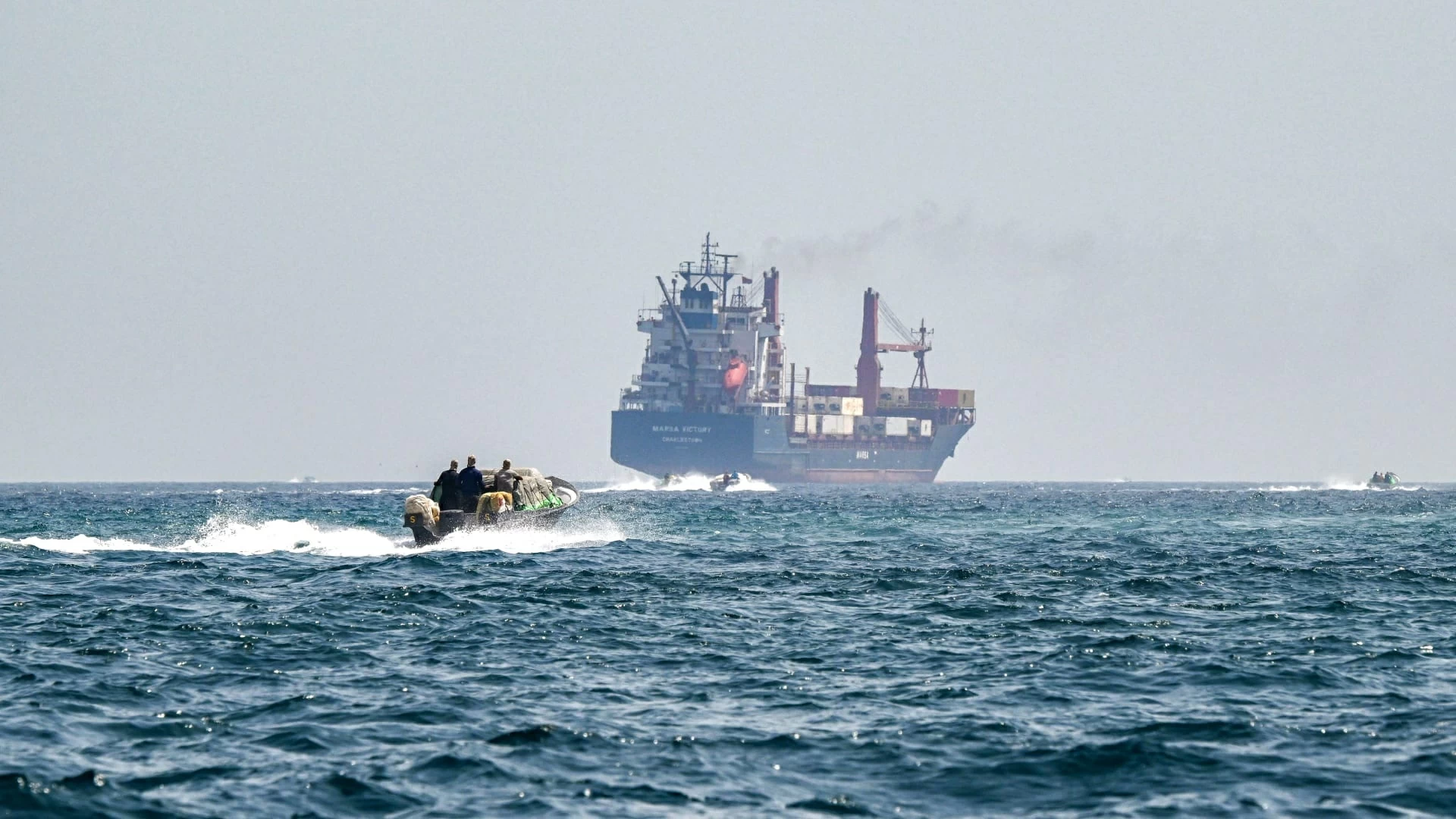
رغم إعلان الرئيس الأمريكي دونالد ترمب رفع الحصار البحري المفروض على مضيق هرمز، أكدت مصادر إيرانية اليوم (السبت)، أن الإجراءات الأمريكية في الممر المائي الإستراتيجي لا تزال قائمة، في وقت تتكشف فيه صراعات نفوذ داخل الحرس الثوري قد تعيد رسم موازين القوة في طهران.
ونقلت وكالة «تسنيم» عن مصادر وبحارين إيرانيين قولهما إن الحصار البحري الأمريكي على مضيق هرمز لا يزال قائماً، رغم إعلان الرئيس الأمريكي دونالد ترمب رفعه.
وأوضحت المصادر أن سفناً إيرانية حاولت عبور خط الحصار، لكنها واجهت تحذيراً أمريكياً، مبينة أن القيادة المركزية الأمريكية تنذر السفن الإيرانية بالتوقف وتمنع عبورها.
في غضون ذلك، كشفت صحيفة «تلغراف» البريطانية تحولات عميقة تجري داخل بنية السلطة الإيرانية، وسط إعادة تشكيل لمراكز النفوذ داخل الحرس الثوري قد تقود إلى صعود تيار أيديولوجي أكثر تشدداً على حساب القوى البراغماتية التقليدية.
وبحسب مقال للكاتبين كسرى عربي وسعيد غولكار، فإن التحليلات الغربية لا تزال عاجزة عن فهم مراكز القوة الحقيقية في إيران بعد التغييرات القيادية الأخيرة، معتبرين أن التركيز على شخصيات سياسية بارزة يغفل التحولات الجارية داخل المؤسسة الأمنية والعسكرية الأكثر نفوذاً في البلاد.
وأشار المقال إلى أن رئيس البرلمان محمد باقر قاليباف، الذي جرى تقديمه في بعض الأوساط باعتباره «الرجل القوي» الجديد في إيران، يواجه في الواقع تراجعاً متزايداً في نفوذه وفقدان الثقة داخل شبكات الحرس الثوري، في حين يبرز أحمد وحيدي بوصفه الشخصية الأكثر تأثيراً في المؤسسة العسكرية، وفق ما نقلته الصحيفة عن مصادر استخباراتية غربية.
ورغم صعود وحيدي، ترى «تلغراف» أن نفوذه لا يزال بحاجة إلى قاعدة دعم أوسع داخل الأجيال الشابة للحرس الثوري وقوات الباسيج، ما يفسر أهمية الدور الذي يؤديه القائد السابق للحرس الثوري محمد علي جعفري، الذي عاد إلى دائرة التأثير بعد سنوات من الابتعاد عن الواجهة.
ولفت المقال إلى أن جعفري كان مهندساً رئيسياً لإعادة هيكلة الحرس الثوري، ومؤسساً لشبكات تنظيمية وأيديولوجية واسعة تُعرف بـ«الحلقة الوسطى»، وهي شبكة تضم آلاف المجموعات الشبابية الموالية للنظام، وتُستخدم للتعبئة السياسية والتأثير في المزاج الانتخابي وإعادة تشكيل التوازنات الداخلية.
ورجحت الصحيفة وجود تحالف غير معلن بين وحيدي وجعفري يقوم على تبادل المصالح والنفوذ، إذ يوفر جعفري شبكاته التنظيمية وخبرته الأمنية، بينما يمنح وحيدي الغطاء المؤسسي لهذا التوجه. ووفقاً للمقال، فإن هذا التحالف لا يعكس تقارباً شخصياً فحسب، بل يمثل إعادة هندسة لمراكز القوة داخل الحرس الثوري، قد تفضي إلى صعود جيل أكثر تشدداً وأيديولوجية، مع تراجع نفوذ التيار البراغماتي، وهو تحول قد ينعكس على سياسات إيران الداخلية والإقليمية خلال المرحلة القادمة.
Despite U.S. President Donald Trump's announcement to lift the maritime blockade imposed on the Strait of Hormuz, Iranian sources confirmed today (Saturday) that American measures in the strategic waterway are still in place, at a time when power struggles within the Revolutionary Guard are unfolding that could redraw the balance of power in Tehran.
The Tasnim news agency reported that sources and Iranian sailors stated that the U.S. maritime blockade on the Strait of Hormuz remains in effect, despite President Donald Trump's announcement to lift it.
The sources explained that Iranian ships attempted to cross the blockade line but faced a U.S. warning, indicating that the U.S. Central Command is warning Iranian vessels to stop and preventing their passage.
Meanwhile, the British newspaper "Telegraph" revealed deep transformations occurring within the Iranian power structure, amid a reshaping of centers of influence within the Revolutionary Guard that could lead to the rise of a more hardline ideological current at the expense of traditional pragmatic forces.
According to an article by writers Khosrow Arabi and Saeed Golkar, Western analyses still struggle to understand the real centers of power in Iran following recent leadership changes, arguing that focusing on prominent political figures overlooks the ongoing transformations within the most influential security and military institution in the country.
The article pointed out that Parliament Speaker Mohammad Baqer Qalibaf, who has been presented in some circles as the new "strong man" in Iran, is actually facing an increasing decline in his influence and a loss of trust within the Revolutionary Guard networks, while Ahmad Vahidi emerges as the most influential figure in the military institution, according to what the newspaper reported from Western intelligence sources.
Despite Vahidi's rise, the "Telegraph" believes that his influence still requires a broader support base among the younger generations of the Revolutionary Guard and the Basij forces, which explains the importance of the role played by former Revolutionary Guard commander Mohammad Ali Jafari, who has returned to the sphere of influence after years of being away from the forefront.
The article noted that Jafari was a key architect of the restructuring of the Revolutionary Guard and the founder of extensive organizational and ideological networks known as the "middle circle," which includes thousands of youth groups loyal to the regime, and is used for political mobilization and influencing electoral sentiment and reshaping internal balances.
The newspaper speculated about the existence of an unannounced alliance between Vahidi and Jafari based on mutual interests and influence, as Jafari provides his organizational networks and security expertise, while Vahidi offers institutional cover for this direction. According to the article, this alliance reflects not only a personal rapprochement but also represents a re-engineering of power centers within the Revolutionary Guard, which could lead to the rise of a more hardline and ideological generation, with a decline in the influence of the pragmatic current, a shift that may reflect on Iran's domestic and regional policies in the coming phase.