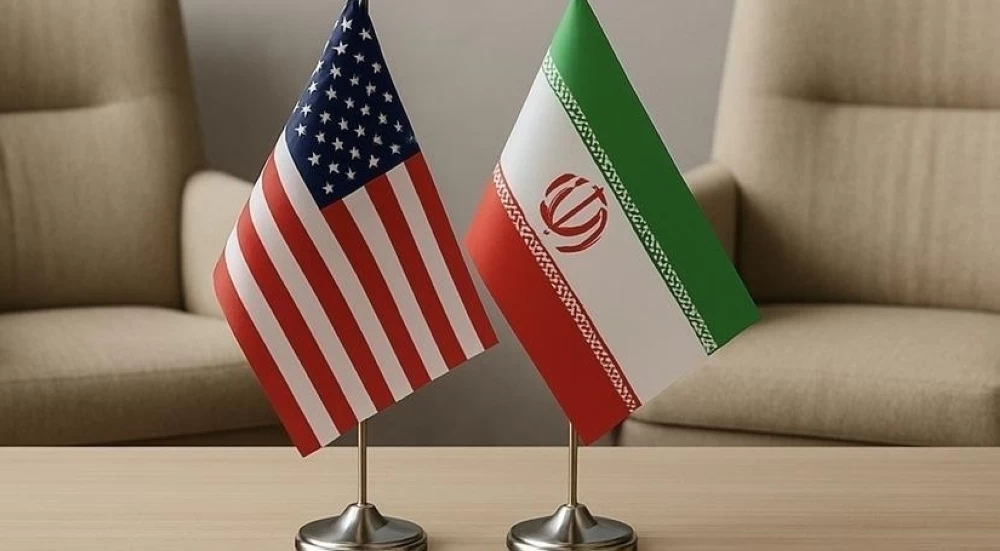
كشفت مصادر مطلعة أن الاتفاق المبدئي المرتقب بين الولايات المتحدة وإيران سيحمل اسم «إعلان إسلام آباد»، في خطوة تمهد لمرحلة تفاوض جديدة حول القضايا النهائية المرتبطة بالملف النووي الإيراني والعقوبات وترتيبات الأمن الإقليمي.
وأوضحت المصادر لقناة «العربية» أن الاتفاق المطروح لا يتجاوز كونه «مذكرة تفاهم» تمهد لمسار تفاوضي أوسع، يعقبها الدخول في مفاوضات تفصيلية بشأن الاتفاق النهائي، لافتة إلى أن باكستان ستتولى إعلان مذكرة التفاهم دون الحاجة إلى حضور أطراف التفاوض.
وأضافت أن جولة المحادثات القادمة بين واشنطن وطهران قد تُعقد في الخامس من يونيو القادم، فيما سيرسل الجانبان رئيسي وفديهما عند بدء التفاوض على الاتفاق النهائي.
تقدم بعد تنسيق خليجي
وفي السياق ذاته، أكد وزير الخارجية الأمريكي ماركو روبيو وجود «مسائل تقنية» لا تزال قيد النقاش بشأن البرنامج النووي الإيراني، مشيراً إلى إحراز تقدم في الملف بعد العمل والتنسيق مع دول الخليج.
وشدد روبيو على أن إيران «لا يمكن أن تحصل على سلاح نووي»، مؤكداً أن مضيق هرمز «ممر دولي ولا تمتلكه إيران»، في رسالة تعكس تمسك واشنطن بحرية الملاحة ومنع أي تهديد للممرات البحرية الحيوية.
كما أعلن أن الرئيس الأمريكي دونالد ترمب سيكشف خلال اليوم مزيداً من التفاصيل المتعلقة بالمفاوضات مع إيران.
طهران تنتظر قرار المؤسسات العليا
من جهته، قال مصدر إيراني لوكالة «رويترز» إن الاتفاق، في حال موافقة مجلس الأمن القومي الإيراني عليه، سيُرفع إلى المرشد الإيراني لاعتماده النهائي، ما يعكس حساسية المرحلة الحالية داخل دوائر صنع القرار في طهران.
دعم بريطاني وتحذير من النووي
بدوره، رحب رئيس الوزراء البريطاني كير ستارمر بالتقدم المحرز نحو التوصل إلى اتفاق بين أمريكا وإيران، مؤكداً ضرورة عدم السماح لطهران «أبداً» بتصنيع سلاح نووي.
وأوضح ستارمر أن بلاده تدعم أي اتفاق يضمن إنهاء التوتر وإعادة فتح مضيق هرمز وتأمين الملاحة الدولية، في ظل المخاوف العالمية من تداعيات أي تصعيد جديد في المنطقة.
Informed sources revealed that the anticipated preliminary agreement between the United States and Iran will be named the "Islamabad Declaration," in a move that paves the way for a new negotiation phase regarding the final issues related to the Iranian nuclear file, sanctions, and regional security arrangements.
The sources explained to Al-Arabiya channel that the proposed agreement is nothing more than a "memorandum of understanding" that lays the groundwork for a broader negotiation path, followed by entering into detailed negotiations regarding the final agreement, noting that Pakistan will announce the memorandum of understanding without the need for the negotiating parties to attend.
They added that the upcoming round of talks between Washington and Tehran may take place on June 5, with both sides sending their chief negotiators at the start of negotiations on the final agreement.
Progress After Gulf Coordination
In this context, U.S. Secretary of State Marco Rubio confirmed the existence of "technical issues" still under discussion regarding the Iranian nuclear program, pointing to progress in the file after working and coordinating with Gulf countries.
Rubio emphasized that Iran "cannot obtain a nuclear weapon," asserting that the Strait of Hormuz "is an international passage and not owned by Iran," in a message reflecting Washington's commitment to freedom of navigation and preventing any threat to vital maritime routes.
He also announced that U.S. President Donald Trump will reveal more details related to the negotiations with Iran during the day.
Tehran Awaits Decision from Higher Institutions
For its part, an Iranian source told Reuters that the agreement, if approved by the Iranian National Security Council, will be submitted to the Iranian Supreme Leader for final approval, reflecting the sensitivity of the current phase within decision-making circles in Tehran.
British Support and Warning on Nuclear Issues
For his part, British Prime Minister Keir Starmer welcomed the progress made towards reaching an agreement between the U.S. and Iran, emphasizing the necessity of never allowing Tehran to manufacture a nuclear weapon.
Starmer clarified that his country supports any agreement that ensures the end of tensions, the reopening of the Strait of Hormuz, and the securing of international navigation, amid global concerns about the repercussions of any new escalation in the region.