تحول مشهد تراجع الرئيس الأمريكي دونالد ترمب في «الساعة الأخيرة» عن توجيه ضربة عسكرية لإيران إلى جزء روتيني من ديناميكية التفاوض تحت النار التي تحكم علاقة الطرفين. وبالتالي، فإن السؤال الذي يشغل المراقبين اليوم ليس «لماذا تراجع ترمب تحت الضغط العربي الثلاثاء الماضي؟، بل ما الذي سيحدث عندما تنتهي مهلة الأيام القليلة التي منحها الأربعاء لرد طهران، وقبل أن تبدأ مهلة الـ30 يوماً التي تقترحها مسودة الوسطاء؟».
المؤشرات الحالية تكشف أننا أمام اصطدام حتمي بين إستراتيجيتين عسكريتين واقتصاديتين وصلتا إلى خط النهاية. الـ30 يوماً المطروحة في المسودة الباكستانية هي نافذة أمان مؤقتة تسابق الانفجار، في ظل تمسُّك كل طرف بأوراق قوته الأخيرة.
هرمز بين القانون والقوة
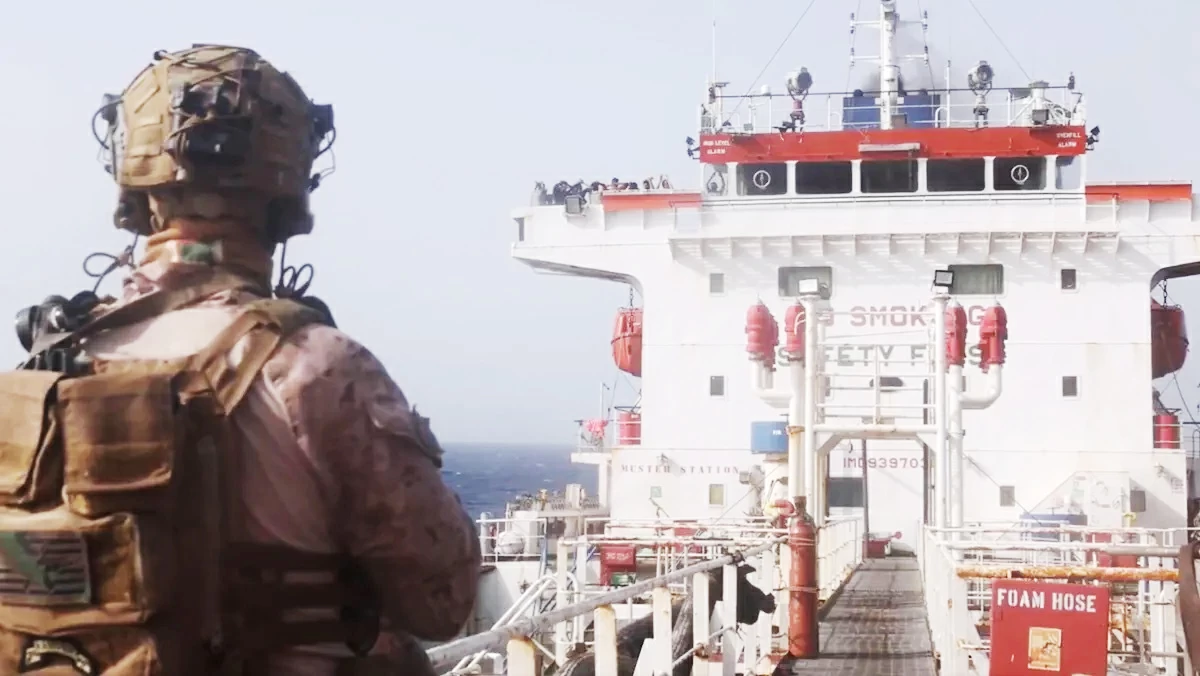
التحول الأبرز في السلوك الإيراني تمثَّل في الإعلان السريع لوزارة الخارجية عن آلية جديدة في مضيق هرمز بالتنسيق مع هيئات دولية متخصصة. طهران، التي تدرس الرد الأمريكي المنقول عبر إسلام آباد، تسعى لفرض أمر واقع ميداني قبل الجلوس إلى أي طاولة.
هذه الآلية الجديدة تعني انتقال إيران من التهديد التقليدي بإغلاق المضيق عسكرياً، إلى إستراتيجية السيادة الجبائية والتحكم القانوني، بحيث تحاول شرعنة فرض رسوم، أو تفتيش، أو قيود ملاحة كأداة ضغط اقتصادي مقنن يوازي سلاح العقوبات النفطية الأمريكية. والهدف الإيراني واضح: تجريد واشنطن من تفوقها العقابي المطلق عبر خنق شريان الطاقة العالمي بالقانون الدولي لإجبار الأسواق والبيت الأبيض على القبول بمهلة الـ30 يوماً دون شروط مسبقة.
الضربة المؤجلة
في المقابل، يدرك ترمب هذه اللعبة جيداً، لذا جاءت تصريحاته الأربعاء الماضي حاسمة وقاطعة: «الاتفاق أولاً ثم رفع العقوبات». واشنطن ترفض منح أي إعفاءات نفطية مسبقة، وتريد انتزاع التزام إيراني مكتوب ومبدئي في غضون أيام قليلة (ما سماه الإجابات الصحيحة) كشرط أساسي للسماح ببدء مفاوضات المسودة الباكستانية.
إذا جاء الرد الإيراني مخيباً للشروط الأمريكية، فإن الخيار العسكري لن يكون حرباً شاملة، بل ضربات جراحية محدودة وموجهة، تستهدف البنية التحتية للطاقة الإيرانية أو خطوط الملاحة لكسر الآلية الجديدة في هرمز قبل تثبيتها، فالعواصم الإقليمية تخشى استهداف منشآتها في أي رد فعل إيراني عشوائي، وبالتالي فإن أي تحرك عسكري أمريكي سيكون منضبطاً بدقة لعدم تفجير كامل المنطقة، مع الحفاظ على خطوط الرجعة الدبلوماسية.
كواليس المسار الباكستاني
هنا يبرز مجدداً دور الوسيط الباكستاني الذي يتحرك بين عاصمتين مثقلتين بالشروط، إسلام آباد بتقاطعها النووي وحدودها المشتركة وعلاقاتها العميقة مع الخليج وواشنطن، لا تقدم حلولاً سياسية عاطفية، بل تبحث عن ضمانات أمنية متبادلة لتأمين الـ30 يوماً.
ما يحدث خلف الكواليس الآن هو محاولة صياغة معادلة خفض تصعيد ميداني مؤقت، حيث تضغط باكستان لإقناع طهران بتأجيل تفعيل آلية هرمز الجديدة، مقابل إقناع واشنطن بمنح إعفاءات نفطية محدودة جداً لشركاء محددين (مثل الهند أو الصين) طوال فترة المفاوضات لضمان جدية المسار.السيناريوهات المرتقبة
بناءً على هذا التقاطع المعقّد، تتجه الأزمة نحو قبول الطرفين بصيغة إعلان نوايا غامض، يتيح هذا السيناريو لترمب الادعاء بأنه حصل على الإجابة الصحيحة التي تضمن تفوقه العقابي، بينما يمنح إيران فرصة التقاط الأنفاس وفتح ممر الـ30 يوماً التفاوضي لتفكيك العقوبات تدريجياً، أو تمسُّك طهران بآلية هرمز واعتبارها خطاً أحمر، ومقابلة واشنطن ذلك برفض قاطع ومباشر.
وهذا سيعني انتقال المواجهة فوراً من أروقة الدبلوماسية الباكستانية إلى مياه الخليج عبر حرب ظل بحرية وتبادل الضربات، دون الانزلاق إلى الحرب الشاملة التي لا يريدها أحد.
إنهاك بسبق أي تسوية
الطرفان وصلا إلى نقطة إنهاك متبادل للأوراق التقليدية؛ الولايات المتحدة استنفدت قدرة العقوبات على الإخضاع، وإيران استنفدت قدرة التهديد العسكري التقليدي على الردع، والوقوف عند هذه النقطة بات مكلفاً للجميع.
فإما أن ينتج هذا الإنهاك مخرجاً دبلوماسياً اضطرارياً يبدأ بتجميد متبادل للشروط المسبقة، أو أن الطرفين سيذهبان نحو صدام يهدف ببساطة إلى اختبار قدرة كل طرف على تحمّل الضربات، قبل العودة الحتمية إلى طاولة الوساطة الباكستانية بشروط أقل تعنتاً.
The scene of U.S. President Donald Trump's "last-minute" retreat from launching a military strike against Iran has turned into a routine part of the dynamic of negotiating under fire that governs the relationship between the two parties. Thus, the question that occupies observers today is not "Why did Trump retreat under Arab pressure last Tuesday?" but rather "What will happen when the few days he granted Tehran on Wednesday come to an end, and before the 30-day deadline proposed by the draft mediators begins?"
Current indicators reveal that we are facing an inevitable collision between two military and economic strategies that have reached the finish line. The 30 days proposed in the Pakistani draft are a temporary safety window racing against an explosion, as each party clings to its last cards of power.
Hormuz Between Law and Power
The most notable shift in Iranian behavior was represented by the swift announcement from the Foreign Ministry about a new mechanism in the Strait of Hormuz in coordination with specialized international bodies. Tehran, which is studying the U.S. response conveyed through Islamabad, seeks to impose a field reality before sitting at any table.
This new mechanism means Iran is transitioning from the traditional threat of militarily closing the strait to a strategy of fiscal sovereignty and legal control, attempting to legitimize the imposition of fees, inspections, or navigation restrictions as a legally regulated economic pressure tool that parallels U.S. oil sanctions. The Iranian goal is clear: to strip Washington of its absolute punitive superiority by choking the global energy artery through international law to force markets and the White House to accept the 30-day deadline without preconditions.
The Delayed Strike
In contrast, Trump is well aware of this game, which is why his statements last Wednesday were decisive and conclusive: "Agreement first, then lifting sanctions." Washington refuses to grant any prior oil exemptions and wants to extract a written and preliminary Iranian commitment within a few days (what he called the correct answers) as a basic condition for allowing the start of negotiations on the Pakistani draft.
If the Iranian response is disappointing to U.S. conditions, the military option will not be a full-scale war but rather limited and targeted surgical strikes aimed at Iranian energy infrastructure or shipping lines to break the new mechanism in Hormuz before it is solidified. Regional capitals fear their facilities could be targeted in any random Iranian reaction, and thus any U.S. military action will be meticulously controlled to avoid igniting the entire region while maintaining diplomatic back channels.
The Backstage of the Pakistani Path
Here, the role of the Pakistani mediator re-emerges, moving between two capitals burdened with conditions. Islamabad, with its nuclear intersection, shared borders, and deep relations with the Gulf and Washington, does not offer emotional political solutions but seeks mutual security guarantees to secure the 30 days.
What is happening behind the scenes now is an attempt to formulate a temporary de-escalation equation, where Pakistan is pressing to convince Tehran to delay activating the new Hormuz mechanism in exchange for persuading Washington to grant very limited oil exemptions to specific partners (such as India or China) throughout the negotiation period to ensure the seriousness of the path.Anticipated Scenarios
Based on this complex intersection, the crisis is heading towards both parties accepting a vague declaration of intentions, allowing this scenario for Trump to claim he received the correct answer that guarantees his punitive superiority while giving Iran a chance to catch its breath and open the 30-day negotiation corridor to gradually dismantle the sanctions, or Tehran's insistence on the Hormuz mechanism and considering it a red line, with Washington responding with a firm and direct rejection.
This would mean an immediate transition of the confrontation from the halls of Pakistani diplomacy to the waters of the Gulf through a maritime shadow war and exchange of strikes, without slipping into the full-scale war that no one wants.
Fatigue Before Any Settlement
Both parties have reached a point of mutual exhaustion of traditional cards; the United States has exhausted the ability of sanctions to subjugate, and Iran has exhausted the capacity of traditional military threats to deter, and standing at this point has become costly for everyone.
Either this exhaustion will produce an urgent diplomatic exit that begins with a mutual freezing of preconditions, or both parties will head towards a confrontation aimed simply at testing each party's ability to withstand strikes before the inevitable return to the Pakistani mediation table with less stubborn conditions.