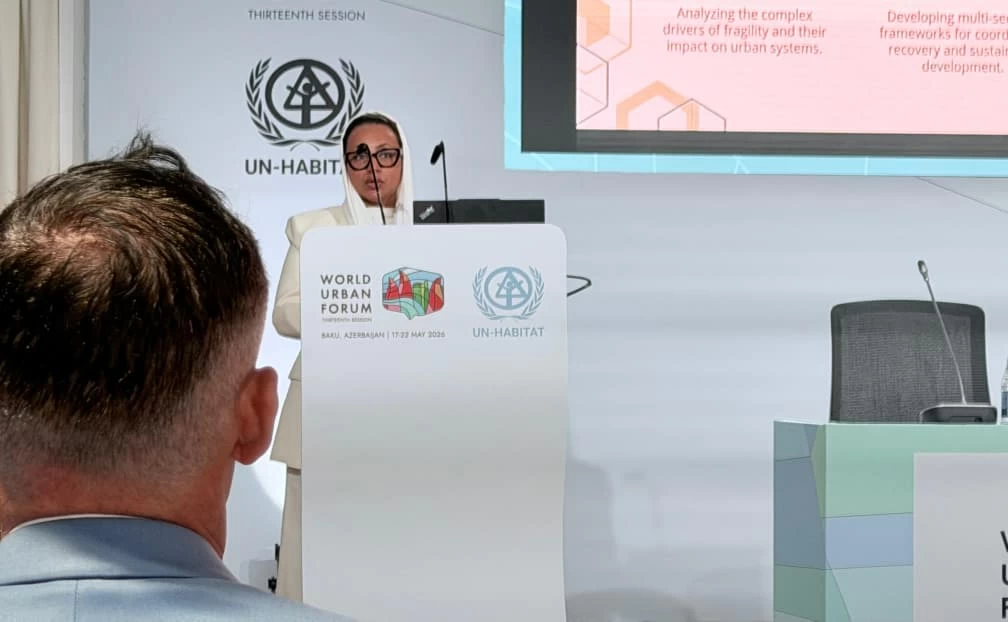
خطَفَ البرنامج السعودي لتنمية وإعمار اليمن الأنظار في المنتدى الحضري العالمي الثالث عشر بالعاصمة الأذربيجانية باكو، وسط حضور حاشد من المسؤولين الدوليين وصنّاع القرار وخبراء التخطيط الحضري والإعمار على مستوى العالم؛ مبرزاً المقاربة السعودية الريادية في تحويل التحديات والأزمات إلى مسارات بناء واستقرار مستدام للسكان في اليمن.
وشهدت أعمال المنتدى تنظيم البرنامج ورشة عمل رفيعة المستوى تحت عنوان «مدن ومجتمعات آمنة وقادرة على الصمود»، إلى جانب مشاركة فاعلة ومؤثرة في الجلسة الحوارية الدولية «الإسكان في صميم الاستجابة للأزمات»؛ حيث ركّزت هذه المشاركات النوعية على تبادل المعرفة وبناء القدرات، وتسليط الضوء على تلبية الاحتياجات الحضرية والخدمية كركيزة أساسية للتعافي والاستقرار.
مكاملة القطاعات وصناعة التعافي
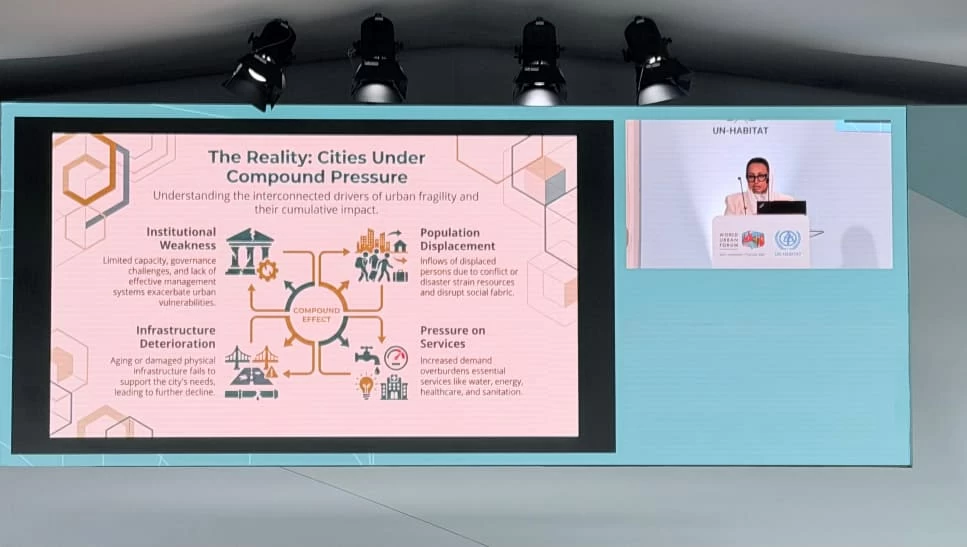
وفي تفاصيل ورشة العمل، شدّد مساعد المشرف العام للبرنامج السعودي لتنمية وإعمار اليمن المهندس حسن العطاس على أن صناعة التعافي الحضري وتمكين المجتمعات من الصمود تتطلب تفكيك الأزمات عبر العمل ضمن أنظمة مترابطة تتكامل فيها القطاعات لإنتاج أثر تراكمي ملموس، مستعرضاً المنهجية الراسخة للبرنامج التي زاوجت بكفاءة بين تقديم الدعم الفوري للقطاعات الأساسية، وترسيخ الاستقرار الاقتصادي، وبناء القدرات المؤسسية.
وأشار العطاس إلى أن ثمار المشاريع والمبادرات التنموية انعكست مباشرة على تجويد الخدمات الحيوية، وامتدت لتشمل دعم قطاعي الصحة والتعليم، فضلاً عن تنشيط الحركة التجارية والاقتصادية وتحفيز التنمية المستدامة، لافتاً إلى أن تجربة المملكة في اليمن تُرجمت على أرض الواقع عبر تنفيذ أكثر من 287 مشروعاً ومبادرة تنموية غطت 8 قطاعات إستراتيجية، لتشكل نموذجاً متكاملاً يربط التنمية بالاستقرار بالتعاون الوثيق مع الحكومة اليمنية.
الإنسان أولاً في قلب التنمية
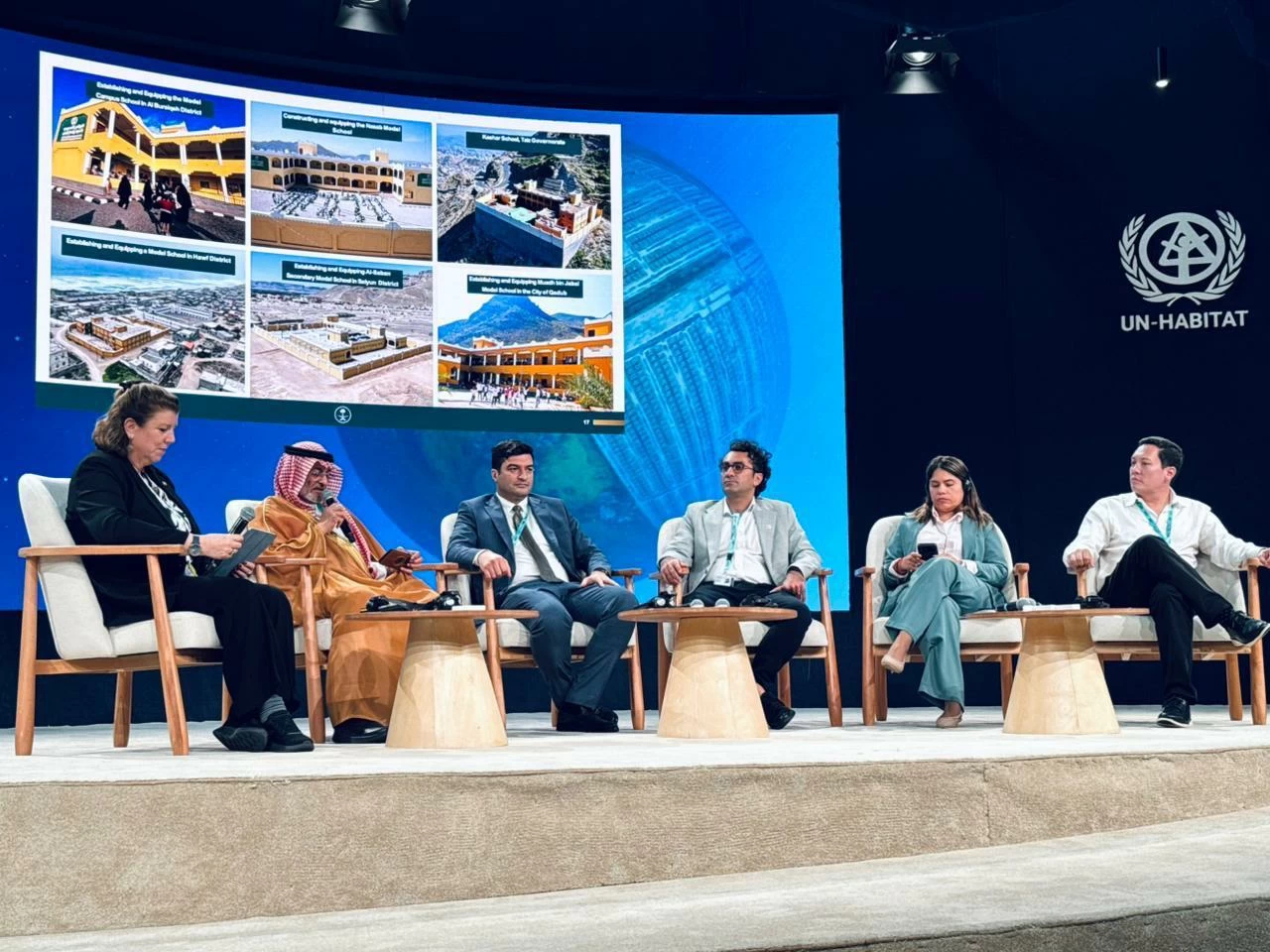
وفي سياق متصل، سجّلت المملكة حضوراً لافتاً في الجلسة الدولية المخصصة لمناقشة «الإسكان في صميم الاستجابة للأزمات»، التي شارك فيها مساعد المشرف العام للبرنامج السعودي لتنمية وإعمار اليمن إلى جانب كوكبة من المسؤولين الدوليين، أبرزهم رئيس دائرة إدارة المشاريع باللجنة الحكومية للتخطيط العمراني بأذربيجان راميل جهانغيروف، وعمدة مدينة كوينكا في الإكوادور كريستيان زامورا، ووزيرة الإسكان والمدن في كولومبيا هيلغا ريفاس.
وأكد العطاس في مداخلته أن الفلسفة التنموية للمملكة تجاوزت المفهوم التقليدي، فلم تعد تنظر إلى التنمية بوصفها مرحلة «مؤجلة» إلى ما بعد انقشاع الأزمات، بل جعلت منها مساراً موازياً يدمج الاستجابة العاجلة بالتعافي المستدام، مؤكداً أن تجربة البرنامج منذ تأسيسه عام 2018 أعادت تعريف دور قطاع الإسكان ليكون قلباً نابضاً للمنظومة التنموية الشاملة التي تُعيد للمدن وظائفها الحيوية.
واختتم مساعد المشرف العام مبيناً أن الميزة التنافسية والعمق الإنساني للتجربة السعودية يكمنان في وضع «الإنسان أولاً» وفي قلب كل عملية تنموية، عبر إشراك المجتمعات المحلية كشركاء فاعلين في مسيرة التعافي، وربط مشاريع الإسكان بالبنية التحتية والخدمات الأساسية، تجسيداً للفهم القيادي للمدن بوصفها أنظمة حية ومترابطة لا تتجزأ.
The Saudi Program for the Development and Reconstruction of Yemen captured attention at the 13th World Urban Forum in the Azerbaijani capital, Baku, amidst a large presence of international officials, decision-makers, and urban planning and reconstruction experts from around the world; highlighting the pioneering Saudi approach in transforming challenges and crises into pathways for building and sustainable stability for the population in Yemen.
During the forum, the program organized a high-level workshop titled "Safe and Resilient Cities and Communities," alongside an active and impactful participation in the international dialogue session "Housing at the Heart of Crisis Response"; where these qualitative contributions focused on knowledge exchange and capacity building, emphasizing the importance of meeting urban and service needs as a fundamental pillar for recovery and stability.
Sector Integration and Recovery Making
In the details of the workshop, the Assistant General Supervisor of the Saudi Program for the Development and Reconstruction of Yemen, Engineer Hassan Al-Attas, emphasized that urban recovery making and empowering communities to be resilient require dismantling crises through working within interconnected systems where sectors integrate to produce a tangible cumulative impact, showcasing the program's established methodology that efficiently combines immediate support for essential sectors, economic stability, and institutional capacity building.
Al-Attas pointed out that the fruits of development projects and initiatives have directly reflected on improving vital services, extending to support the health and education sectors, in addition to revitalizing trade and economic activity and stimulating sustainable development, noting that the Kingdom's experience in Yemen has been translated into reality through the implementation of more than 287 development projects and initiatives covering 8 strategic sectors, forming a comprehensive model that links development with stability in close cooperation with the Yemeni government.
People First at the Heart of Development
In a related context, the Kingdom made a notable presence in the international session dedicated to discussing "Housing at the Heart of Crisis Response," which included the Assistant General Supervisor of the Saudi Program for the Development and Reconstruction of Yemen alongside a group of international officials, most notably Ramil Jahangirov, Head of the Project Management Department at the Government Committee for Urban Planning in Azerbaijan, Christian Zamora, Mayor of Cuenca in Ecuador, and Helga Rivas, Minister of Housing and Cities in Colombia.
In his intervention, Al-Attas affirmed that the developmental philosophy of the Kingdom has transcended the traditional concept, no longer viewing development as a "deferred" phase after crises dissipate, but rather making it a parallel pathway that integrates urgent response with sustainable recovery, emphasizing that the program's experience since its establishment in 2018 has redefined the role of the housing sector to be a vital heart of the comprehensive developmental system that restores cities' essential functions.
The Assistant General Supervisor concluded by stating that the competitive advantage and human depth of the Saudi experience lie in placing "people first" at the heart of every developmental process, by engaging local communities as active partners in the recovery journey, and linking housing projects with infrastructure and essential services, embodying the leadership understanding of cities as living, interconnected systems that are indivisible.