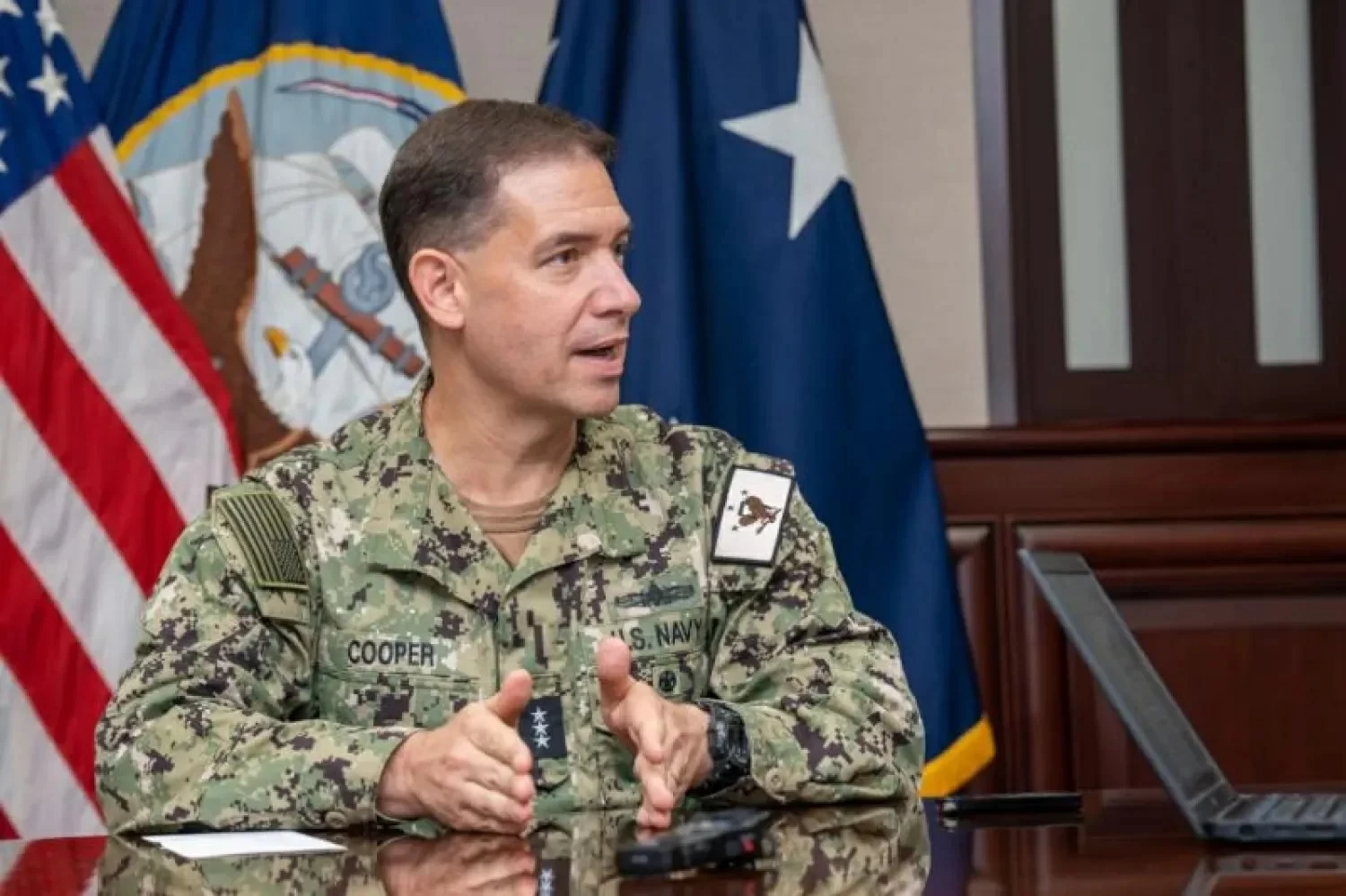
نفى قائد القيادة المركزية الأمريكية براد كوبر، صحة التقارير التي تشير إلى أن إيران ما تزال تحتفظ بجزء كبير من قدراتها الصاروخية.
وأكد أمام لجنة القوات المسلحة بمجلس الشيوخ، أن القاعدة الصناعية الدفاعية لإيران المرتبطة بصناعة المسيرات والصواريخ تراجعت بأكثر من 90%. وشدد على أن طهران لن تتمكن من إعادة بناء بحريتها المدمرة لفترة تصل إلى 10 سنوات.
وأوضح أن القاعدة الصناعية الدفاعية المرتبطة بالطائرات المسيرة والصواريخ والقدرات البحرية الإيرانية تراجعت بنسبة تصل إلى 90 %، ولم يتبق منها سوى ما يقارب 10 % منها.
وفيما يتعلق بالقوات البحرية، قال كوبر «تقديري العسكري يشير إلى أنها لن تتمكن من البدء بإعادة البناء قبل فترة تتراوح بين 5 إلى 10 سنوات.. وكثير منكم يدرك تعقيدات بناء السفن الحربية، ويصبح الأمر أكثر تعقيداً عندما لا تملك قاعدة صناعية لبنائها، ومن وجهة نظري المهنية، لن تعود إيران إلى نفس مستوى البحرية الذي كانت عليه لجيل كامل.
وتحدثت تقارير سابقة عن تقييمات استخباراتية أمريكية سرية أكدت أن إيران استعادت معظم قدراتها الصاروخية، بما في ذلك الوصول إلى غالبية مواقع الإطلاق والمنشآت تحت الأرض، رغم الضربات العسكرية التي تعرضت لها خلال الحرب الأخيرة مع الولايات المتحدة وإسرائيل.
ونقلت"نيويورك تايمز" عن مصادر مطلعة على التقييمات الأخيرة، في تقرير الثلاثاء، قولها إن طهران استعادت القدرة التشغيلية في 30 موقعاً صاروخياً من أصل 33 على امتداد مضيق هرمز، وهي مواقع يُعتقد أنها تُستخدم لنقل وإطلاق الصواريخ عبر منصات متنقلة.
ولفت التقييم إلى أن إيران لا تزال تحتفظ بنحو 70% من منصات الإطلاق المتنقلة المنتشرة في أنحاء البلاد، إضافة إلى ما يقارب 70% من مخزونها الصاروخي الذي كانت تمتلكه قبل اندلاع الحرب.
The commander of the U.S. Central Command, Brad Cooper, denied the reports suggesting that Iran still retains a large portion of its missile capabilities.
He confirmed before the Senate Armed Services Committee that Iran's defense industrial base related to drone and missile production has declined by more than 90%. He emphasized that Tehran will not be able to rebuild its destroyed navy for a period of up to 10 years.
He explained that the defense industrial base related to drones, missiles, and Iranian naval capabilities has decreased by up to 90%, with only about 10% of it remaining.
Regarding naval forces, Cooper said, "My military assessment indicates that they will not be able to start rebuilding for a period ranging from 5 to 10 years... Many of you understand the complexities of building warships, and it becomes more complicated when you do not have an industrial base to build them. From my professional perspective, Iran will not return to the same level of navy it had for a whole generation."
Previous reports discussed secret U.S. intelligence assessments confirming that Iran has regained most of its missile capabilities, including access to the majority of launch sites and underground facilities, despite the military strikes it faced during the recent war with the United States and Israel.
The "New York Times" reported on Tuesday, citing sources familiar with the recent assessments, that Tehran has regained operational capability at 30 missile sites out of 33 along the Strait of Hormuz, which are believed to be used for transporting and launching missiles via mobile platforms.
The assessment noted that Iran still retains about 70% of the mobile launch platforms deployed across the country, in addition to approximately 70% of its missile stockpile that it had before the outbreak of the war.