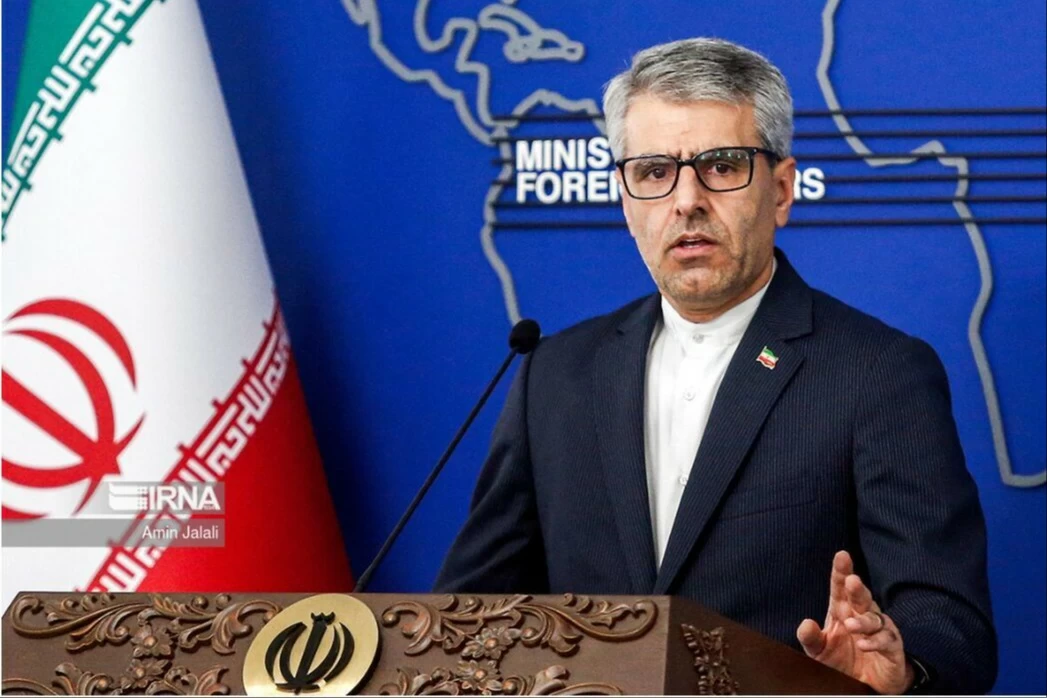
فيما لم تتكشف بعد الخطوات الدبلوماسية أو العسكرية المرتقبة بعد رفض واشنطن لرد طهران على مقترح إنهاء الحرب بينهما، أفادت وزارة الخارجية الإيرانية، بأنها طالبت في ردها على المقترح الأمريكي الأخير بإنهاء الحرب في المنطقة كلها، والإفراج عن الأصول المجمدة في الخارج.
واعتبر المتحدث باسم الوزارة إسماعيل بقائي، في مؤتمر صحفي اليوم (الإثنين)، أن مقترح إيران لإنهاء الحرب مع الولايات المتحدة وفتح مضيق هرمز «مشروع وسخيّ»، مضيفاً أن واشنطن تواصل التمسك بمطالب غير معقولة وأحادية الجانب، وفق قوله.
وقال بقائي: مطلبنا مشروع: المطالبة بإنهاء الحرب، رفع الحصار، والإفراج عن الأصول الإيرانية التي جُمدت في البنوك بسبب ضغوط الولايات المتحدة.
وزعم أن المرور الآمن عبر مضيق هرمز وإرساء الأمن في المنطقة ولبنان من المطالب الأخرى لإيران، وهذا عرض سخيّ ومسؤول من أجل أمن المنطقة.
وأضاف: «لم نطلب أي تنازلات. الشيء الوحيد الذي طالبنا به هو الحقوق المشروعة لإيران».
وأدى رفض الرئيس دونالد ترمب لرد إيران على مقترح السلام، إلى ارتفاع أسعار النفط، اليوم (الإثنين)، وسط مخاوف من أن يستمر الصراع المستمر منذ 10 أسابيع، مما يبقي حركة الملاحة متوقفة عبر مضيق هرمز.
وبعد أيام من طرح الولايات المتحدة عرضاً على أمل استئناف المفاوضات، أصدرت إيران، أمس رداً ركز على إنهاء الحرب على جميع الجبهات، لا سيما في لبنان، حيث تقاتل إسرائيل، حليفة الولايات المتحدة، جماعة حزب الله المتحالفة مع إيران.
وذكر التلفزيون الرسمي الإيراني أن طهران قدمت مطلباً بالتعويض عن أضرار الحرب وشددت على السيادة الإيرانية على مضيق هرمز.
وأفادت وكالة «تسنيم الإيرانية» شبه الرسمية أن إيران دعت الولايات المتحدة إلى إنهاء حصارها البحري، وضمان عدم شن المزيد من الهجمات ورفع العقوبات وإنهاء الحظر الأمريكي على مبيعات النفط الإيراني.
ورفض ترمب مقترح إيران في منشور على وسائل التواصل الاجتماعي. وكتب على موقع «تروث سوشيال»: «لا يعجبني هذا. غير مقبول على الإطلاق»، دون أن يقدم مزيداً من التفاصيل.
وكانت الولايات المتحدة اقترحت إنهاء القتال قبل بدء المحادثات حول القضايا الأكثر إثارة للجدل، بما في ذلك البرنامج النووي الإيراني.
وقفزت أسعار النفط ثلاثة دولارات للبرميل عقب أنباء عن استمرار حالة الجمود التي تترك مضيق هرمز مغلقاً إلى حد كبير. وقبل الحرب، كان الممر المائي ينقل خُمس إمدادات النفط العالمية، وبرز كأحد نقاط الضغط المركزية في الحرب.
While the anticipated diplomatic or military steps remain unclear following Washington's rejection of Tehran's response to the proposal to end the war between them, the Iranian Foreign Ministry reported that it demanded in its response to the latest U.S. proposal to end the war in the entire region and to release the frozen assets abroad.
The ministry's spokesperson, Ismail Baqaei, stated at a press conference today (Monday) that Iran's proposal to end the war with the United States and open the Strait of Hormuz is a "generous project," adding that Washington continues to cling to unreasonable and unilateral demands, according to him.
Baqaei said: "Our demand is legitimate: the demand to end the war, lift the blockade, and release the Iranian assets that have been frozen in banks due to U.S. pressures."
He claimed that safe passage through the Strait of Hormuz and establishing security in the region and Lebanon are other demands from Iran, describing this as a generous and responsible offer for the security of the region.
He added: "We have not asked for any concessions. The only thing we have demanded is the legitimate rights of Iran."
President Donald Trump's rejection of Iran's response to the peace proposal led to a rise in oil prices today (Monday), amid fears that the ongoing conflict, which has lasted for 10 weeks, will keep shipping traffic halted through the Strait of Hormuz.
Days after the United States presented an offer in hopes of resuming negotiations, Iran issued a response yesterday that focused on ending the war on all fronts, particularly in Lebanon, where Israel, a U.S. ally, is fighting the Iran-aligned Hezbollah group.
The Iranian state television reported that Tehran made a demand for compensation for war damages and emphasized Iranian sovereignty over the Strait of Hormuz.
The semi-official "Tasnim News Agency" reported that Iran called on the United States to end its maritime blockade, ensure no further attacks are launched, lift sanctions, and end the U.S. ban on Iranian oil sales.
Trump rejected Iran's proposal in a social media post. He wrote on "Truth Social": "I don't like this. Totally unacceptable," without providing further details.
The United States had proposed ending the fighting before starting talks on more contentious issues, including the Iranian nuclear program.
Oil prices jumped three dollars a barrel following news of the continued stalemate that keeps the Strait of Hormuz largely closed. Before the war, the waterway transported one-fifth of global oil supplies and emerged as one of the central pressure points in the conflict.