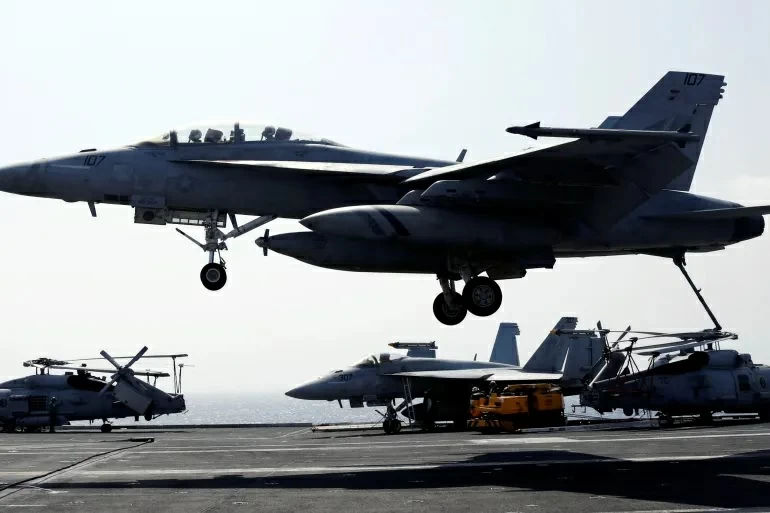
أعاد رفض الرئيس الأمريكي للرد الإيراني على مقترح إنهاء الحرب، أجواء التوتر وفتح الباب أمام سيناريوهات عدة محتملة بين التصعيد العسكري واستمرار التفاوض.
الأزمة في مرحلة حساسة
وجاء الموقف الأمريكي بعد أيام من التفاؤل بإمكانية التوصل إلى اتفاق أو مذكرة تفاهم، بينما اتهم ترمب إيران بالمماطلة والتلاعب بالولايات المتحدة والعالم عبر سياسة التأجيل. وتزامن التأخر الإيراني في الرد مع ارتفاع أسعار النفط بنسبة 3% مع افتتاح الأسواق، نتيجة المخاوف من استمرار الحرب وتأثيرها على إمدادات الطاقة العالمية.
ويعتقد محللون أن الأزمة دخلت مرحلة حساسة تراوح فيها الاحتمالات بين استمرار الضغوط السياسية والانتقال إلى خيارات عسكرية أكثر حدة. ومن أبرز السيناريوهات المطروحة ما يسمى مشروع "الحرية بلس"، الذي يقوم على فرض مواجهة بحرية طويلة الأمد في مضيق هرمز، مع استمرار الحصار البحري وتشديد السيطرة على الممرات المائية.
ويهدف المشروع إلى الضغط على إيران اقتصادياً وعسكرياً عبر تعطيل صادراتها النفطية وحماية الملاحة الدولية. ويُعتقد أن هذه الخطة تمثل تطويراً لمشروع سابق طرحه ترمب لتأمين الملاحة في هرمز.
ضربات عسكرية للبنية التحتية
ويتمثل السيناريو الثاني في توجيه ضربات عسكرية للبنية التحتية الإيرانية، بما يشمل مواقع عسكرية ومنشآت استراتيجية ونووية؛ بهدف دفع طهران إلى تقديم تنازلات أكبر. إلا أن هذا الخيار يحمل مخاطر كبيرة، إذ تتوقع واشنطن أن ترد إيران باستهداف منشآت النفط والغاز في دول الجوار، ما قد يؤدي إلى ارتفاع أسعار الطاقة عالمياً وجر المنطقة إلى مواجهة أوسع.
وأفاد مسؤولون أمريكيون بأن الإدارة الأمريكية عززت وجودها العسكري في المنطقة واستعدت لخيارات تصعيدية عبر إعادة تزويد قواتها بالذخائر. ويرى محللون أن ترمب يسعى لاتفاق أكثر تشدداً من الاتفاق النووي الذي أبرم عام 2015 في عهد باراك أوباما، الذي يهاجمه باستمرار معتبراً أنه منح إيران أموالاً ونفوذاً كبيرين.
هل باب التفاوض لا يزال مفتوحاً؟
من جانبه، أكد رئيس الوزراء الإسرائيلي بنيامين نتنياهو أن الحرب لم تنته بعد، مشيراً إلى ضرورة تفكيك مواقع التخصيب الإيرانية ونقل اليورانيوم المخصب والتعامل مع قدرات إيران الصاروخية ووكلائها في المنطقة. ورغم تفضيله الحل الدبلوماسي، فإنه لم يستبعد استخدام القوة.
أما إيران، فتؤكد أنها مستعدة لخيار الحرب إذا فُرض عليها، وترفض التفاوض تحت التهديد. وتحدثت تقارير عن توجيهات عسكرية جديدة صدرت من القيادة الإيرانية للاستعداد لمواجهة أي تصعيد محتمل.
ورغم هذه الأجواء المتوترة، لا يزال باب التفاوض مفتوحاً، ويرى بعض الخبراء أن الولايات المتحدة استخدمت خلال الأسابيع الماضية قوة عسكرية وضغوطاً كبيرة دون تحقيق أهدافها بالكامل، ما يجعل العودة للمفاوضات أمراً وارداً.
دور صيني محتمل
ومن المتوقع أن تلعب الصين دوراً مهماً في المرحلة القادمة خصوصاً مع زيارة ترمب المرتقبة لبكين. وتشير تقارير أمريكية إلى أن واشنطن ستضغط على الصين للمساعدة في إنهاء الصراع، نظراً لما تمثله إيران ومنطقة الخليج من أهمية للاقتصاد الصيني والطاقة العالمية.
وبناء على المعطيات الحالية، يبدو أن المنطقة تعيش مرحلة ضغط متبادل تحت حافة الحرب، إذ يواصل الطرفان استخدام التهديدات السياسية والعسكرية لتحسين شروط التفاوض، بينما تبقى احتمالات التصعيد أو العودة للحوار مرتبطة بالتطورات المقبلة، خصوصاً بعد انتهاء زيارة ترمب للصين.
The American president's rejection of the Iranian response to the proposal to end the war has revived tensions and opened the door to several possible scenarios between military escalation and continued negotiations.
The crisis is at a sensitive stage
The American stance came days after optimism about the possibility of reaching an agreement or a memorandum of understanding, while Trump accused Iran of procrastination and manipulating the United States and the world through a policy of delay. The Iranian delay in responding coincided with a 3% rise in oil prices at the market opening, due to fears of the continuation of the war and its impact on global energy supplies.
Analysts believe that the crisis has entered a sensitive stage where possibilities range between continued political pressure and moving towards more severe military options. Among the most prominent scenarios proposed is the so-called "Freedom Plus" project, which involves imposing a long-term maritime confrontation in the Strait of Hormuz, while maintaining the maritime blockade and tightening control over waterways.
The project aims to pressure Iran economically and militarily by disrupting its oil exports and protecting international navigation. It is believed that this plan represents a development of a previous project proposed by Trump to secure navigation in Hormuz.
Military strikes on infrastructure
The second scenario involves directing military strikes at Iranian infrastructure, including military sites, strategic facilities, and nuclear sites, with the aim of pushing Tehran to make greater concessions. However, this option carries significant risks, as Washington expects Iran to respond by targeting oil and gas facilities in neighboring countries, which could lead to a global rise in energy prices and drag the region into a wider confrontation.
American officials reported that the U.S. administration has reinforced its military presence in the region and prepared for escalation options by resupplying its forces with ammunition. Analysts believe that Trump seeks a more stringent agreement than the nuclear deal reached in 2015 during Barack Obama's presidency, which he continuously criticizes as having granted Iran significant funds and influence.
Is the door to negotiations still open?
For his part, Israeli Prime Minister Benjamin Netanyahu confirmed that the war is not over yet, pointing to the necessity of dismantling Iranian enrichment sites, transferring enriched uranium, and addressing Iran's missile capabilities and its proxies in the region. Despite his preference for a diplomatic solution, he did not rule out the use of force.
As for Iran, it asserts that it is prepared for the option of war if imposed upon it, and it refuses to negotiate under threat. Reports have mentioned new military directives issued by Iranian leadership to prepare for any potential escalation.
Despite these tense atmospheres, the door to negotiations remains open, and some experts believe that the United States has used military force and significant pressure over the past weeks without fully achieving its objectives, making a return to negotiations a possibility.
A potential Chinese role
China is expected to play an important role in the upcoming phase, especially with Trump's anticipated visit to Beijing. American reports indicate that Washington will pressure China to help end the conflict, given the importance of Iran and the Gulf region to the Chinese economy and global energy.
Based on current data, it seems that the region is experiencing a phase of mutual pressure on the brink of war, as both sides continue to use political and military threats to improve negotiation terms, while the possibilities of escalation or a return to dialogue remain linked to upcoming developments, especially after Trump's visit to China.