على وقع مساع حثيثة تقودها باكستان ودول إقليمية لإيجاد «مخارج آمنة» للتهدئة، والإعلان الأمريكي عن تعليق مشروع الحرية مؤقتاً، دخلت المنطقة مرحلة «الاختبار العسير»، حيث تُوضع الهدنة في ميزان الأفعال لا الأقوال، لتحديد مصير التفاهمات الهشة التي راهن الكثيرون على صمودها كستارٍ واق في وجه العواصف الإقليمية.
فما نشهده اليوم هو إعلان صريح عن انتهاء مفعول المسكنات السياسية، والبدء في جراحة دبلوماسية دقيقة ومعقدة.
هرمز.. ساحة الرسائل المشفرة
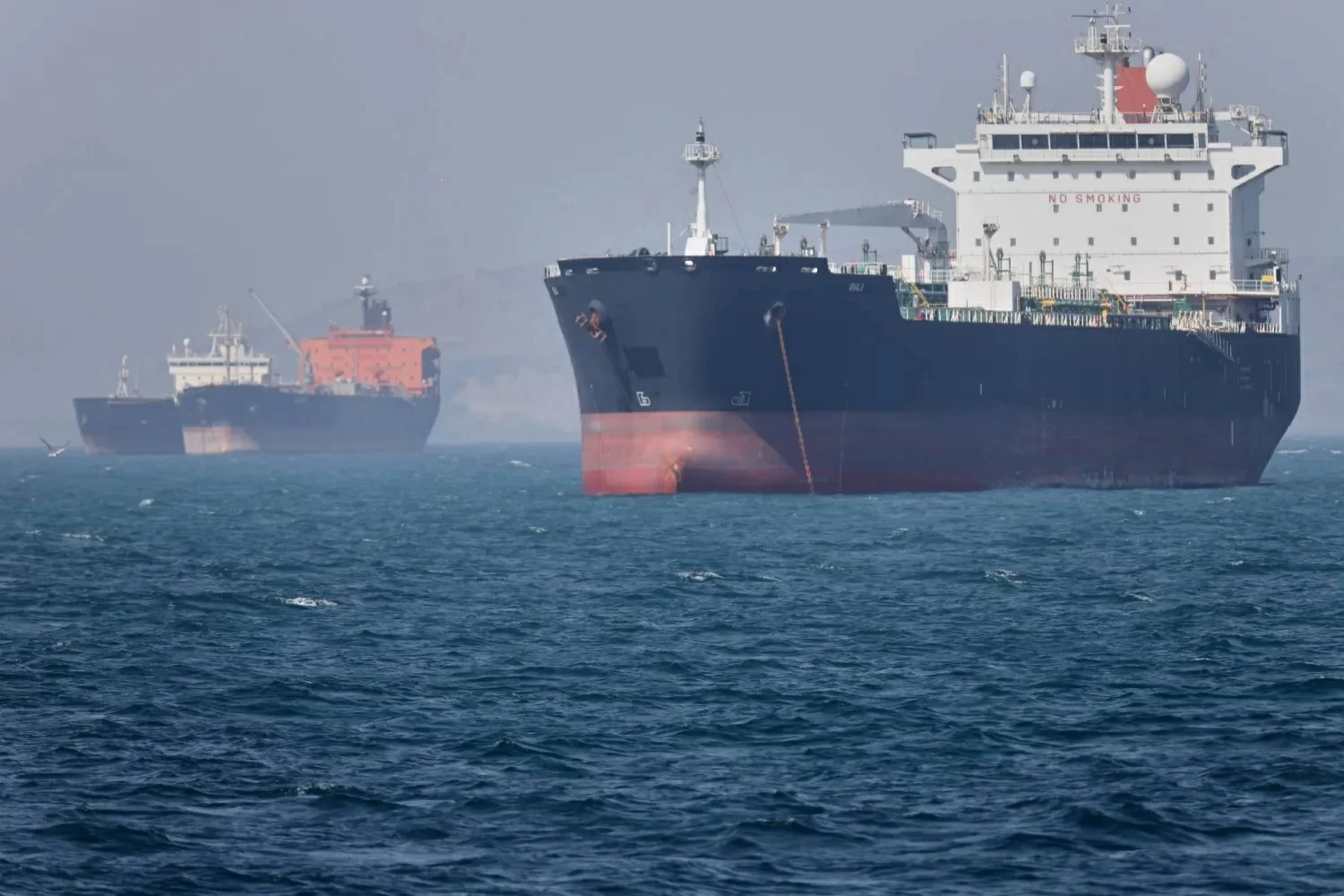
المشهد في المضيق اليوم يعكس حالة من «الانفجار المنضبط». فإيران بفرضها قواعد اشتباك جديدة تعتمد على مبدأ السيادة الكاملة أو الإغلاق الجزئي للممر الملاحي، لم تكن تتحرك في فراغ، بل كانت تبعث برسالة مشفرة تسبق القمة الصينية-الأمريكية المرتقبة منتصف مايو. والرسالة الإيرانية واضحة: لا يمكن استبعاد طهران من أي معادلة استقرار إقليمي دائم، وأن أي هدنة لا تضمن رفعاً فعلياً وملموساً للضغوط الاقتصادية عنها، ستظل هدنة قلقة و«تحت رحمة الأمواج».
هذا الضغط الميداني الإيراني قوبل بمرونة أمريكية مفاجئة عبر منصة «تروث سوشيال»، إذ أعلن الرئيس دونالد ترمب تعليق العمل بـ«مشروع الحرية» مؤقتاً، استجابة لطلب باكستان، في خطوة تعكس ما يشبه استراحة محارب تكتيكية لاختبار نوايا طهران حيال التوصل إلى اتفاق شامل، غير أن هذه الإشارة رغم أهميتها لا تعني تحولاً إستراتيجياً كاملاً في الموقف الأمريكي، بقدر ما تفتح «نافذة فرصة محدودة» ضمن سياق ضغط مستمر، خصوصا مع بقاء الحصار قائماً بالكامل. وهو ما يبقي الهدنة في موقع هش، ويجعل من جولة «إسلام آباد 2» المتأخرة المسار الإلزامي لتفادي انزلاق أوسع.
الاقتصاد السياسي والرهانات الكبرى
معركة هرمز ليست بمعزل عن لغة الأرقام. فحين تتأرجح أسعار النفط فوق حاجز الـ100 دولار، وتتضاعف تكاليف التأمين البحري والشحن، تتحول الهدنة من ترف سياسي إلى مطلب اقتصادي ملح للمجتمع الدولي. الدول العربية الواقعة على ضفتي الممر، تجد نفسها اليوم في عين العاصفة. فالاستقرار الذي تحتاجه الرؤى الاقتصادية الطموحة يتناقض جذرياً مع حالة «العسكرة» القائمة في أهم شريان للطاقة في العالم.
في هذا السياق، كشف «اختبار هرمز» عورة ما يسمى بـ«الاعتماد المتبادل». الصين، التي تعتمد بشكل شبه كلي على انسيابية هذا الممر، لم تعد قادرة على ممارسة دور «المتفرج الإستراتيجي» أو الاكتفاء بالبيانات الدبلوماسية الناعمة. والحراك الصيني يشير إلى أن بكين تدرك جيداً أن سقوط الهدنة في هرمز يعني تعطلاً قسرياً لطريق الحرير، وهو ثمن باهظ لا يبدو أن التنين الصيني مستعد لدفعه، خصوصا في ظل ملفات شائكة ومعقدة أخرى تخوضها مع الإدارة الأمريكية. وهذا يفسر سر الضغوط الصينية المتزايدة، بالتنسيق مع الجانب الباكستاني، للدفع نحو انعقاد «إسلام آباد 2».
باب المندب.. الجبهة الموازية
صورة الاختبار العسير لا تكتمل دون النظر إلى باب المندب. فالتزامن الدقيق بين التصعيد في هرمز والتحركات الميدانية المتوترة في البحر الأحمر يؤكد فرضية «الجغرافيا السياسية الموحدة». الهدنة في اليمن باتت اليوم رهينة بشكل مباشر لما قد تسفر عنه المواجهات في الخليج. إن استخدام «أمن الممرات المائية» كأداة ضغط سياسي وميداني في الملفات الإقليمية يفرغ أي اتفاق بري من محتواه، ويجعل من استقرار المنطقة كتلة واحدة غير قابلة للتجزئة أو المقايضة المنفردة.
هذا الترابط العضوي يضع المجتمع الدولي أمام حقيقة مرة مفادها بأن أي هدنة لا تشمل بشكل صريح «أمن الممرات المائية» هي هدنة منقوصة ومحكوم عليها بالفشل عند أول اختبار حقيقي. فالتطورات الأخيرة أثبتت أن محاولات عزل الصراعات البرية عن التوترات البحرية كانت وهم سياسي. فالبحر أضحى اليوم الأداة الأقوى للفصل والمقايضة السياسية القاسية، حيث تُستخدم الجغرافيا كبديل عن طاولة المفاوضات التي لم تفتح أبوابها بالكامل بعد.
ما وراء الأزمة: هل من مخرج حقيقي؟
إن الخروج من نفق هذا «الاختبار العسير» يتطلب اليوم اعترافاً دولياً صريحاً بأن أمن الطاقة العالمي لا يمكن أن يظل رهينة لتقلبات المزاج السياسي في عواصم القرار الدولية. ومعركة هرمز تضعنا أمام خيارين لا ثالث لهما: إما الشروع الجدي في صياغة «ميثاق بحري إقليمي» شامل يضمن حرية الملاحة للجميع بعيداً عن سياسات الاستقطاب والمحاور، أو القبول بواقع «الاستنزاف الدائم» الذي سيحول هذه المضائق إلى بؤر دائمة للتوتر والنزاع المسلح.
العيون الآن شاخصة نحو مياه الخليج، والآمال معلقة على ما قد تنتجه «الفرصة المحدودة» التي لوح بها منشور ترمب. فهل تنجح الدبلوماسية في تبريد فوهات المدافع قبل فوات الأوان؟ أم أن «الاختبار العسير» سينتهي بسقوط مدوٍ للهدنة وبدء فصل جديد من المواجهة التي لن يخرج منها أحد منتصراً؟
الإجابة قد لا تأتي من التصريحات الرسمية، بل من سلاسة حركة الملاحة في الأيام القادمة، وفي مياه هرمز، سيكتب فصل النهاية لهذه الأزمة.
Amidst the diligent efforts led by Pakistan and regional countries to find "safe exits" for de-escalation, and the American announcement to temporarily suspend the Freedom Project, the region has entered a phase of "difficult testing," where the ceasefire is weighed by actions, not words, to determine the fate of the fragile understandings that many have bet on to withstand as a protective shield against regional storms.
What we are witnessing today is a clear announcement of the end of the effectiveness of political painkillers, and the beginning of a delicate and complex diplomatic surgery.
Hormuz... The Arena of Cryptic Messages
The scene in the strait today reflects a state of "controlled explosion." Iran, by imposing new rules of engagement based on the principle of complete sovereignty or partial closure of the maritime corridor, was not moving in a vacuum; rather, it was sending a cryptic message ahead of the anticipated Chinese-American summit in mid-May. The Iranian message is clear: Tehran cannot be excluded from any equation of lasting regional stability, and any ceasefire that does not guarantee a real and tangible lifting of economic pressures on it will remain a precarious ceasefire "at the mercy of the waves."
This Iranian field pressure was met with a surprising American flexibility through the "Truth Social" platform, as President Donald Trump announced the temporary suspension of the "Freedom Project," in response to Pakistan's request, in a move that reflects what resembles a tactical warrior's pause to test Tehran's intentions regarding reaching a comprehensive agreement. However, this signal, despite its importance, does not signify a complete strategic shift in the American position, as much as it opens a "limited window of opportunity" within the context of ongoing pressure, especially with the blockade remaining fully in place. This keeps the ceasefire in a fragile position and makes the delayed "Islamabad 2" round the mandatory path to avoid a wider slip.
The Political Economy and Major Bets
The battle of Hormuz is not isolated from the language of numbers. When oil prices fluctuate above the $100 barrier, and marine insurance and shipping costs double, the ceasefire transforms from a political luxury into an urgent economic necessity for the international community. The Arab countries located on both sides of the corridor find themselves today in the eye of the storm. The stability needed for ambitious economic visions is fundamentally at odds with the current state of "militarization" in the most important energy artery in the world.
In this context, the "Hormuz test" has revealed the flaws of what is called "mutual dependence." China, which relies almost entirely on the smooth flow of this corridor, can no longer play the role of "strategic bystander" or be satisfied with soft diplomatic statements. The Chinese movement indicates that Beijing is well aware that the collapse of the ceasefire in Hormuz means a forced disruption of the Silk Road, a heavy price that the Chinese dragon does not seem ready to pay, especially in light of other complex and thorny files it is dealing with the American administration. This explains the increasing Chinese pressures, in coordination with the Pakistani side, to push for the convening of "Islamabad 2."
Bab el-Mandeb... The Parallel Front
The picture of the difficult test is not complete without looking at Bab el-Mandeb. The precise timing between the escalation in Hormuz and the tense field movements in the Red Sea confirms the hypothesis of "unified geopolitical geography." The ceasefire in Yemen has now become directly hostage to what may result from confrontations in the Gulf. The use of "maritime corridor security" as a tool of political and field pressure in regional files drains any land agreement of its content, making the stability of the region an indivisible block that cannot be fragmented or traded individually.
This organic interconnection places the international community before a bitter truth: any ceasefire that does not explicitly include "maritime corridor security" is a deficient ceasefire doomed to fail at the first real test. Recent developments have proven that attempts to isolate land conflicts from maritime tensions were a political illusion. The sea has now become the strongest tool for harsh political separation and bargaining, where geography is used as a substitute for the negotiation table that has not yet fully opened its doors.
Beyond the Crisis: Is There a Real Exit?
Exiting the tunnel of this "difficult test" today requires a clear international acknowledgment that global energy security cannot remain hostage to the fluctuations of political moods in the decision-making capitals. The battle of Hormuz presents us with two options, with no third: either to seriously embark on drafting a comprehensive "regional maritime charter" that guarantees freedom of navigation for all, away from polarization and axis politics, or to accept the reality of "perpetual depletion" that will turn these straits into permanent hotspots of tension and armed conflict.
Eyes are now fixed on the waters of the Gulf, and hopes are pinned on what the "limited opportunity" hinted at by Trump's announcement may produce. Will diplomacy succeed in cooling the barrels of the cannons before it's too late? Or will the "difficult test" end with a resounding collapse of the ceasefire and the beginning of a new chapter of confrontation from which no one will emerge victorious?
The answer may not come from official statements, but from the smoothness of maritime navigation in the coming days, and in the waters of Hormuz, the final chapter of this crisis will be written.