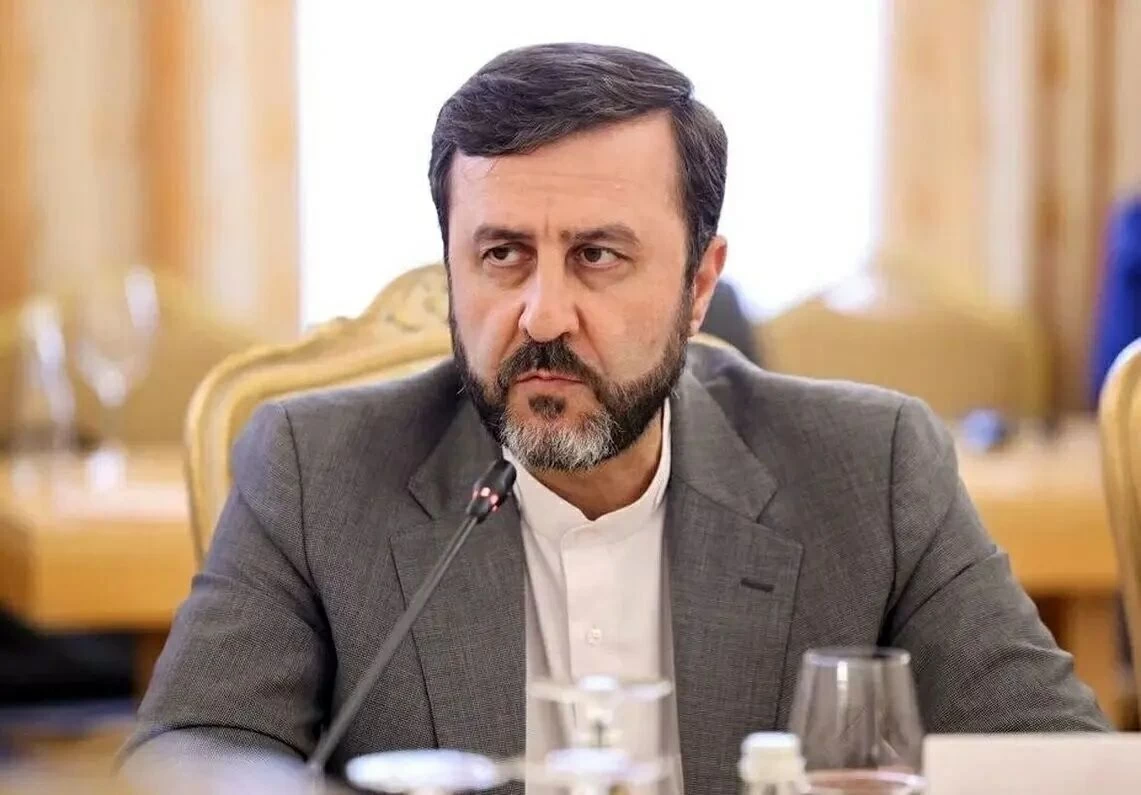
أعلن نائب وزير الخارجية الإيراني كاظم غريب آباد اليوم (السبت) أن بلاده قدمت إلى باكستان مقترحاً يهدف إلى إنهاء الحرب المفروضة على إيران بشكل نهائي.
ونقلت وسائل إعلام إيرانية عن آباد قوله إن الكرة باتت الآن في ملعب أمريكا للاختيار بين نهج الدبلوماسية أو الاستمرار في المواجهة.
بدوره، قال المتحدث باسم الحكومة الإيرانية: «للتفاوض أصوله، وإذا عاد الطرف المقابل إلى هذه الأصول سيتواصل مسار المفاوضات».
وكان مسؤول إيراني كبير قد قال لوكالة «رويترز» إن مقترح طهران الذي يرفضه الرئيس الأمريكي دونالد ترمب حتى الآن ينص على فتح مضيق هرمز أمام حركة الملاحة، وإنهاء الحصار البحري الأمريكي على إيران، مع تأجيل المحادثات بشأن البرنامج النووي الإيراني إلى مرحلة لاحقة، مبيناً أن بلاده تعتقد أن أحدث مقترح بتأجيل المحادثات النووية إلى مرحلة لاحقة يمثل تحولاً مهماً يهدف إلى تسهيل التوصل إلى اتفاق.
وأضاف: «بموجب هذا الإطار، تؤجل المفاوضات حول القضية النووية الأكثر تعقيداً إلى المرحلة النهائية، لتهيئة أجواء أكثر ملاءمة».
في غضون ذلك، تلقى رئيس مجلس الوزراء القطري وزير الخارجية الشيخ محمد بن عبد الرحمن اتصالاً هاتفياً من وزير الخارجية الإيراني عباس عراقجي.
وذكرت وزارة الخارجية القطرية أن وزير الخارجية الإيراني أطلع رئيس الوزراء القطري على مسار المفاوضات الجارية وتطوراتها، وما تشهده من حراك دبلوماسي في المرحلة الحالية.
بدوره، شدد الشيخ محمد بن عبد الرحمن على أن حرية الملاحة تُعد مبدأً راسخاً لا يقبل المساومة، وأن إغلاق مضيق هرمز أو استخدامه كورقة ضغط لا يؤدي إلا إلى تعميق الأزمة، وتعريض المصالح الحيوية لدول المنطقة للخطر، محذراً من التداعيات السلبية على إمدادات الطاقة والغذاء عالمياً، وعلى استقرار الأسواق وسلاسل الإمداد جراء إغلاق المضيق.
وأكد رئيس الوزراء القطري على ضرورة الالتزام بأحكام القانون الدولي وميثاق الأمم المتحدة، وإعلاء مصلحة المنطقة وشعوبها، بما يسهم في تعزيز الأمن والاستقرار الإقليمي والدولي، ويدعم مساعي التهدئة وخفض التصعيد.
The Iranian Deputy Foreign Minister Kazem Gharib Abad announced today (Saturday) that his country has presented a proposal to Pakistan aimed at definitively ending the war imposed on Iran.
Iranian media reported Abad's statement that the ball is now in America's court to choose between a diplomatic approach or continuing confrontation.
For his part, the Iranian government spokesperson said, "Negotiation has its principles, and if the opposing party returns to these principles, the negotiation process will continue."
A senior Iranian official told Reuters that Tehran's proposal, which U.S. President Donald Trump has so far rejected, stipulates opening the Strait of Hormuz to shipping and ending the U.S. maritime blockade on Iran, while postponing discussions on the Iranian nuclear program to a later stage, indicating that his country believes the latest proposal to delay nuclear talks to a later stage represents an important shift aimed at facilitating an agreement.
He added, "Under this framework, negotiations on the more complex nuclear issue are postponed to the final stage, to create a more favorable atmosphere."
Meanwhile, the Qatari Prime Minister and Minister of Foreign Affairs Sheikh Mohammed bin Abdulrahman received a phone call from Iranian Foreign Minister Abbas Araghchi.
The Qatari Foreign Ministry stated that the Iranian Foreign Minister briefed the Qatari Prime Minister on the ongoing negotiations and their developments, as well as the current diplomatic activity.
For his part, Sheikh Mohammed bin Abdulrahman emphasized that freedom of navigation is a fundamental principle that cannot be compromised, and that closing the Strait of Hormuz or using it as a pressure tactic only deepens the crisis and endangers the vital interests of the countries in the region, warning of the negative repercussions on global energy and food supplies, as well as on the stability of markets and supply chains due to the closure of the strait.
The Qatari Prime Minister stressed the necessity of adhering to the provisions of international law and the United Nations Charter, and prioritizing the interests of the region and its peoples, which contributes to enhancing regional and international security and stability, and supports efforts for de-escalation and calming tensions.