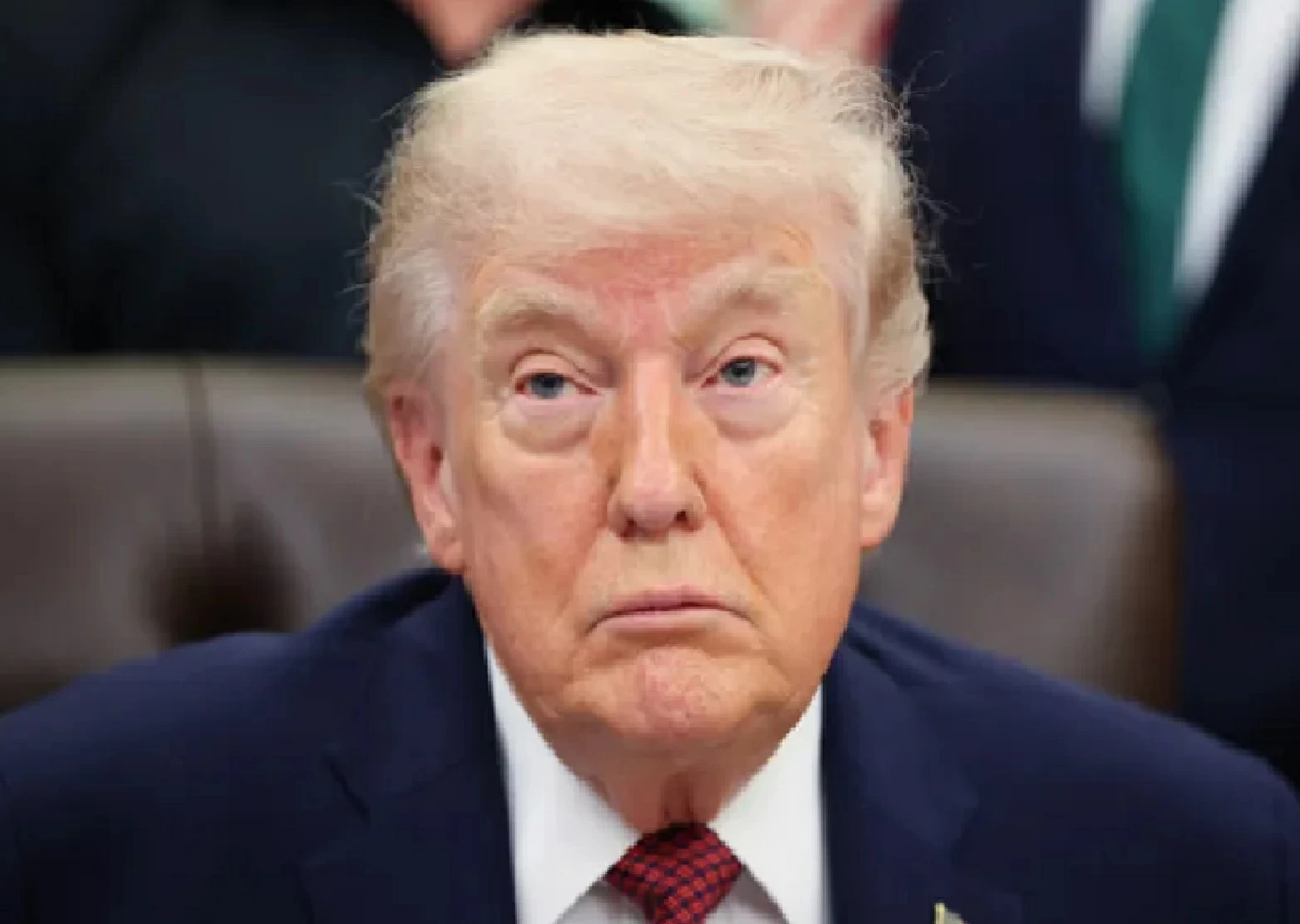
أفصح مسؤول في البيت الأبيض، اليوم (السبت)، أن الرئيس الأمريكي دونالد ترمب اقترح مواصلة حصار إيران لأشهر لإجبارها على توقيع اتفاق.
ونقلت وكالة «رويترز» عن المسؤول قوله: "إن ترمب اقترح تمديد حصار إيران لأشهر بهدف خنق صادراتها، وإجبارها على توقيع اتفاق"، وهو ما أكده دبلوماسيون أوروبيون للوكالة الذين قالوا إن «الوضع الحالي بشأن إيران قد يستمر لفترة طويلة ومن المستبعد رؤية نهاية قريبة».
في الوقت ذاته، قال الرئيس الأمريكي دونالد ترمب إنه يعتبر من يقول إن الولايات المتحدة لا تفوز في الحرب مع إيران خائناً، مبيناً أنه يرى أن الأداء الأمريكي في إيران جيد جداً لكنه لا يريد إعلان النصر قبل انتهاء المهمة.
وقال ترمب خلال كلمة ألقاها في ولاية فلوريدا: «نسمع اليسار المتطرف يقول: نحن لا نفوز.. لا يملكون أي قوة عسكرية متبقية.. هذا أمر لا يُصدق، بل أعتقد أنه خيانة».
وأشاد ترمب بما وصفه بـ«عبقرية» الحصار البحري، رغم استمرار سيطرة إيران على مضيق هرمز.
في المقابل، قال نائب قائد «مقر خاتم الأنبياء المركزي» الإيراني الجنرال محمد سردار أسدي اليوم إن احتمال اندلاع مواجهة جديدة بين إيران والولايات المتحدة أمر وارد، معتبراً أن هناك أدلة أظهرت أن واشنطن لا تلتزم بأي تعهدات.
وقال سردار أسدي، في تصريحات أوردتها وكالة «فارس»، إن «تصريحات وإجراءات المسؤولين الأمريكيين تحمل في غالبها طابعاً دعائياً»، لافتاً إلى أنها تستهدف أيضاً تهدئة أسواق النفط.
وأضاف: «القوات المسلحة الإيرانية في حالة جاهزية كاملة لأي مغامرة جديدة من الجانب الأمريكي».
وكان مسؤول إيراني كبير قد قال لوكالة «رويترز» إن مقترح طهران الذي يرفضه الرئيس الأمريكي دونالد ترمب حتى الآن ينص على فتح مضيق هرمز أمام حركة الملاحة، وإنهاء الحصار البحري الأمريكي على إيران، مع تأجيل المحادثات بشأن البرنامج النووي الإيراني إلى مرحلة لاحقة، مبيناً أن بلاده تعتقد أن أحدث مقترح بتأجيل المحادثات النووية إلى مرحلة لاحقة يمثل تحولاً مهماً يهدف إلى تسهيل التوصل إلى اتفاق.
وأضاف: «بموجب هذا الإطار، تؤجل المفاوضات حول القضية النووية الأكثر تعقيداً إلى المرحلة النهائية، لتهيئة أجواء أكثر ملاءمة».
A U.S. official at the White House stated today (Saturday) that President Donald Trump proposed to continue the blockade on Iran for months to force it to sign an agreement.
Reuters reported the official as saying: "Trump suggested extending the blockade on Iran for months with the aim of choking its exports and forcing it to sign an agreement," which was confirmed by European diplomats to the agency, who said that "the current situation regarding Iran may last for a long time and it is unlikely to see a close end."
At the same time, President Donald Trump said he considers anyone who claims that the United States is not winning the war with Iran a traitor, indicating that he sees the U.S. performance in Iran as very good but does not want to declare victory before the mission is complete.
Trump said during a speech in Florida: "We hear the far-left saying: We are not winning... they have no military power left... this is unbelievable, in fact, I think it’s treason."
Trump praised what he described as the "genius" of the maritime blockade, despite Iran's continued control over the Strait of Hormuz.
In contrast, the deputy commander of the Iranian "Central Headquarters of the Guardians of the Islamic Revolution," General Mohammad Sardar Asadi, stated today that the possibility of a new confrontation between Iran and the United States is likely, considering that there is evidence showing that Washington does not adhere to any commitments.
Sardar Asadi, in remarks reported by the Fars news agency, said that "the statements and actions of U.S. officials are mostly of a propaganda nature," noting that they also aim to calm the oil markets.
He added: "The Iranian armed forces are fully prepared for any new adventure from the American side."
A senior Iranian official had told Reuters that Tehran's proposal, which President Donald Trump has so far rejected, calls for opening the Strait of Hormuz to shipping traffic and ending the U.S. maritime blockade on Iran, while postponing discussions about the Iranian nuclear program to a later stage, indicating that his country believes that the latest proposal to postpone nuclear talks to a later stage represents an important shift aimed at facilitating reaching an agreement.
He added: "Under this framework, negotiations on the more complex nuclear issue are postponed to the final stage, to create a more favorable atmosphere."