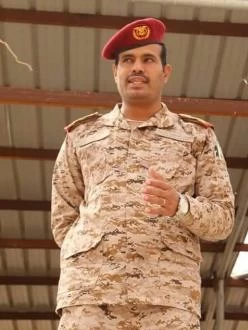
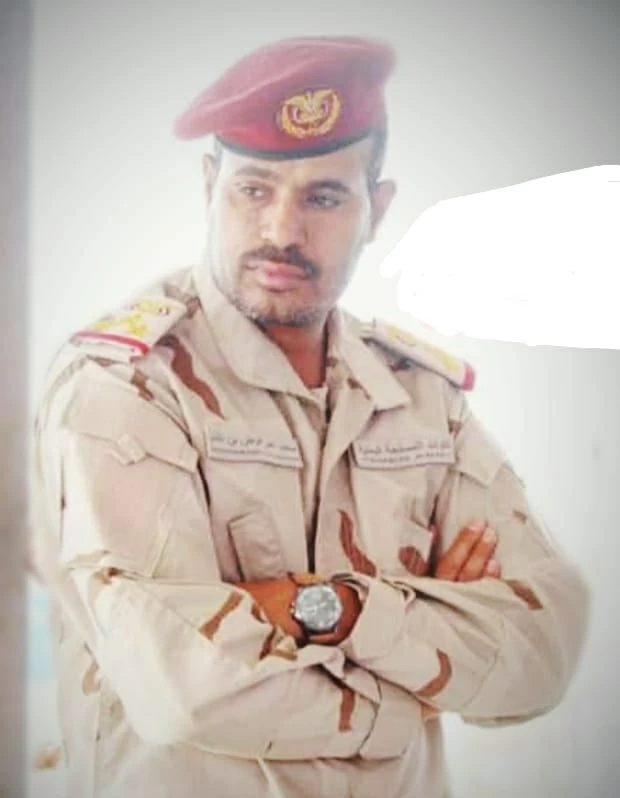
أكد قائد عمليات المنطقة العسكرية الأولى العميد الركن محمد عمر بن غانم، أن المشهد الأمني في حضرموت يشهد تحسناً ملحوظاً واستقراراً نسبياً متنامياً، مدعوماً بجهود عسكرية وأمنية مكثفة وتنسيق عالي المستوى، إلى جانب دعم فاعل من التحالف العربي بقيادة السعودية.
وأوضح في حوار خاص لـ«عكاظ» أن الإستراتيجيات المعتمدة ترتكز على الانتشار الأمني المكثف، والعمل الاستخباراتي الاستباقي، وحماية المنشآت الحيوية، بما يعزز بيئة الاستثمار والتنمية.
وشدد على أن العلاقة بين الأمن والتنمية تكاملية، فيما يظل الأمن هو الأساس الذي تنطلق منه مشاريع الاستقرار الشامل.
وإلى نص الحوار:
• كيف تصفون المشهد الأمني الراهن في نطاق عمليات المنطقة العسكرية الأولى؟ وما أبرز التحديات الميدانية؟
•• المشهد الأمني يشهد حالة من الاستقرار النسبي المتنامي، بفضل الجهود المتواصلة التي تبذلها الوحدات العسكرية والأمنية، بدعم وإشراف القيادات العسكرية والسياسية، إضافة إلى الإسناد المستمر من التحالف العربي بقيادة السعودية، ومع ذلك، لا تزال هناك تحديات ميدانية، أبرزها محاولات بعض العناصر الخارجة عن القانون زعزعة الأمن، واتساع الرقعة الجغرافية لمسرح العمليات، إلى جانب طبيعة التضاريس التي تتطلب جاهزية عالية وانتشاراً مدروساً.
• ما أبرز الإستراتيجيات التي تعتمدونها لتعزيز الاستقرار وحماية المنشآت الحيوية في حضرموت؟
•• نعتمد على إستراتيجيات متكاملة، تشمل تعزيز الانتشار الأمني في المواقع الحيوية، وتكثيف الدوريات، وتفعيل العمل الاستخباراتي، وتأمين المنشآت الإستراتيجية عبر خطط حماية متعددة. كما نركز على مبدأ الوقاية الاستباقية والتعامل السريع مع أي تهديد محتمل.
• كيف يتم التنسيق بين الأجهزة العسكرية والأمنية لضمان تكامل الجهود؟
•• يتم التنسيق من خلال منظومة قيادة وسيطرة موحدة، تتضمن غرف عمليات مشتركة تربط مختلف التشكيلات، مع تبادل مستمر للمعلومات، واجتماعات دورية لتقييم الوضع وتوحيد الخطط، بما يضمن تكامل الأداء الميداني.
• إلى أي مدى يسهم الاستقرار الأمني في دعم جهود التنمية والاستثمار في المنطقة؟
•• الأمن يمثل الركيزة الأساسية للتنمية، وكلما تعزز الاستقرار ازدادت ثقة المستثمرين واتسعت فرص التنمية، فالتحسن الأمني انعكس بشكل مباشر على النشاط الاقتصادي والخدمي، وأسهم في تهيئة بيئة مناسبة لإطلاق المشاريع الحيوية.
• ما أوجه التعاون بينكم والتحالف العربي، بقيادة السعودية، في تعزيز القدرات العسكرية والأمنية؟
•• التعاون مع التحالف العربي بقيادة السعودية يعد عاملاً محورياً في رفع القدرات العسكرية، من خلال التدريب والتأهيل والدعم اللوجستي وتبادل الخبرات، ما أسهم في تحسين الجاهزية القتالية ورفع كفاءة الأداء العملياتي.
• كيف تقيمون مستوى التدريب والتأهيل للقوات؟ وهل هناك برامج مشتركة؟
•• نولي التدريب أهمية قصوى، وقد شهدت الفترة الماضية تطوراً ملحوظاً في مستوى التأهيل عبر برامج داخلية ودورات مشتركة مع التحالف، ونركز على التدريب التخصصي ورفع كفاءة القادة الميدانيين بما يتواكب مع التحديات.
• ما أبرز التهديدات التي تواجه المنطقة حالياً، وكيف يتم التعامل معها استباقياً؟
•• التهديدات تشمل محاولات التسلل والأنشطة الإرهابية وعمليات التهريب، ويتم التعامل معها عبر العمل الاستخباراتي الاستباقي، وتعزيز المراقبة، وتنفيذ عمليات نوعية لتحييد المخاطر قبل تفاقمها.
• كيف تنظرون إلى العلاقة بين الأمن والتنمية في حضرموت؟ وأيهما يقود الآخر؟
•• العلاقة تكاملية لا يمكن فصلها، فالأمن يوفر البيئة اللازمة للتنمية، والتنمية تعزز الاستقرار، ومع ذلك، يبقى الأمن هو الأساس الذي تنطلق منه عملية التنمية، فيما ترتبط استدامته بتحقيق تنمية شاملة.
• كلمة أخيرة.
•• نثمن دعم القيادة السياسية وجهود وزارة الدفاع في تنظيم وتطوير المؤسسة العسكرية، ونقدّر عالياً الدور البارز للتحالف العربي بقيادة السعودية في دعم الأمن والاستقرار، خصوصاً أن هذا الدعم كان له أثر مباشر في رفع كفاءة القوات وتعزيز قدرتها على أداء مهماتها وترسيخ الطمأنينة في حضرموت.
The Commander of the First Military Region Operations, Brigadier General Mohammed Omar bin Ghanem, affirmed that the security situation in Hadhramaut is witnessing a noticeable improvement and a growing relative stability, supported by intensive military and security efforts and high-level coordination, alongside effective support from the Arab coalition led by Saudi Arabia.
He explained in a special interview with "Okaz" that the adopted strategies are based on intensive security deployment, proactive intelligence work, and the protection of vital installations, which enhances the investment and development environment.
He emphasized that the relationship between security and development is complementary, while security remains the foundation from which comprehensive stability projects are launched.
Here is the text of the interview:
• How do you describe the current security situation within the scope of the First Military Region operations? What are the main field challenges?
•• The security situation is witnessing a state of growing relative stability, thanks to the continuous efforts made by military and security units, supported and supervised by military and political leaderships, in addition to the ongoing support from the Arab coalition led by Saudi Arabia. However, there are still field challenges, the most prominent of which are attempts by some lawless elements to undermine security, the expansion of the geographical area of the operational theater, along with the nature of the terrain that requires high readiness and studied deployment.
• What are the main strategies you adopt to enhance stability and protect vital installations in Hadhramaut?
•• We rely on integrated strategies, including enhancing security deployment in vital locations, intensifying patrols, activating intelligence work, and securing strategic installations through multiple protection plans. We also focus on the principle of proactive prevention and rapid response to any potential threat.
• How is coordination between military and security agencies ensured to guarantee the integration of efforts?
•• Coordination is carried out through a unified command and control system, which includes joint operations rooms linking various formations, with continuous information exchange and periodic meetings to assess the situation and unify plans, ensuring the integration of field performance.
• To what extent does security stability contribute to supporting development and investment efforts in the region?
•• Security represents the fundamental pillar of development, and the more stability is enhanced, the more investor confidence grows and development opportunities expand. The security improvement has directly reflected on economic and service activities and contributed to creating a suitable environment for launching vital projects.
• What are the aspects of cooperation between you and the Arab coalition, led by Saudi Arabia, in enhancing military and security capabilities?
•• Cooperation with the Arab coalition led by Saudi Arabia is a pivotal factor in raising military capabilities, through training, qualification, logistical support, and exchanging expertise, which has contributed to improving combat readiness and enhancing operational performance efficiency.
• How do you evaluate the level of training and qualification of the forces? Are there joint programs?
•• We place utmost importance on training, and there has been a noticeable development in the level of qualification through internal programs and joint courses with the coalition. We focus on specialized training and enhancing the efficiency of field leaders in line with the challenges.
• What are the main threats facing the region currently, and how are they dealt with proactively?
•• The threats include infiltration attempts, terrorist activities, and smuggling operations, and they are dealt with through proactive intelligence work, enhancing surveillance, and executing targeted operations to neutralize risks before they escalate.
• How do you view the relationship between security and development in Hadhramaut? Which one leads the other?
•• The relationship is complementary and cannot be separated; security provides the necessary environment for development, and development enhances stability. However, security remains the foundation from which the development process is launched, while its sustainability is linked to achieving comprehensive development.
• Any final words?
•• We appreciate the support of the political leadership and the efforts of the Ministry of Defense in organizing and developing the military institution, and we highly value the prominent role of the Arab coalition led by Saudi Arabia in supporting security and stability, especially since this support has had a direct impact on raising the efficiency of the forces and enhancing their ability to perform their missions and instill reassurance in Hadhramaut.