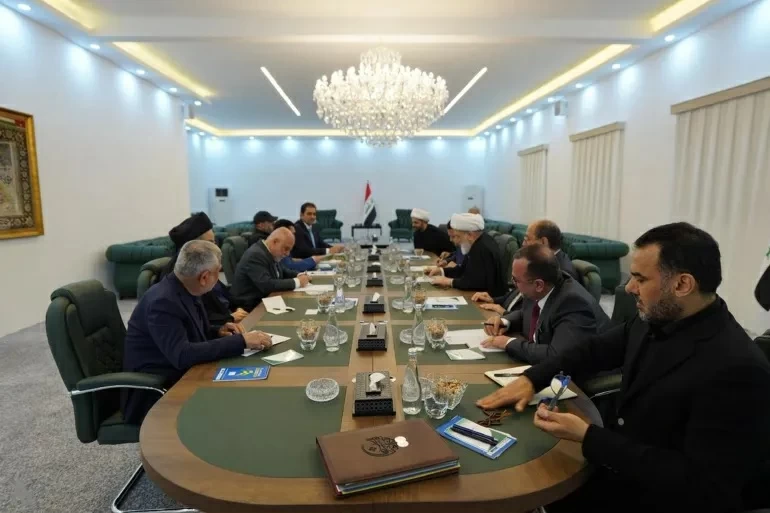
بانتهاء يوم أمس الأحد، تجاوزت القوى العراقية السقف الزمني الذي حدده الدستور لتكليف مرشح لرئاسة الوزراء، لتدخل البلاد في حالة «فراغ دستوري».
ويعزو مراقبون هذا الإخفاق إلى خلافات وانقسامات بين كتل «الإطار التنسيقي»، التي عجزت حتى الآن في الاتفاق على مرشح لرئاسة الوزراء خلال مهلة الـ15 يوماً الممنوحة لرئيس الجمهورية منذ انتخابه لإتمام عملية التكليف، ما أدى إلى تأجيل اجتماعاته 4 مرات خلال أسبوع، وصولاً إلى انتهاء التوقيتات الدستورية.
وتبرز الخلافات داخل تحالف الإطار التنسيقي بين تيارين أحدهما يتمسك بترشيح قادة الخط الأول لضمان ثقل الحكومة سياسياً، وآخر يدفع باتجاه خيار التسوية لتجنب الاصطدام بالرفض الدولي أو الشعبي.
وحسب مصادر مقربة، فإنه جرى تداول أسماء عدة في أروقة التحالف الحاكم في مسعى لكسر الجمود؛ إذ برز اسم باسم البدري مرشحَ تسويةٍ يحظى بدعم نوري المالكي بديلاً عنه، بعد تراجع حظوظ الأخير إثر «الفيتو» الأمريكي الصريح، إلا أن البدري لم يحظَ بالإجماع المطلوب.
بالتزامن مع ذلك، لا يزال اسم رئيس الوزراء الحالي محمد شياع السوداني مطروحاً بقوة خياراً للاستمرار، وسط انقسام داخلي حول منحه ولاية ثانية. فيما تتردد أسماء أخرى مثل حيدر العبادي وقاسم الأعرجي ومحمد صاحب الدراجي خيارات «اللحظة الأخيرة»، التي قد تحظى بقبول وطني ودولي واسع للخروج من مأزق الفراغ الدستوري.
وبعد انتهاء المهلة الدستورية وانتهاء الـ 15 يوماً التي نصت عليها المادة 76 من الدستور منذ انتخاب الرئيس نزار آميدي، تجد السلطة التنفيذية نفسها أمام مأزق شرعي يعيد للأذهان سيناريوهات الانسداد السياسي الأسوأ في تاريخ البلاد.
ومع دخول العراق في حالة الفراغ السياسي جراء الفشل في تسمية مرشح لرئاسة الحكومة، يبرز شبح أزمة عام 2021، التي استمرت عاماً كاملاً وانتهت بالتوافق على السوداني.
إلّا أن الظروف الراهنة تبدو أكثر تعقيداً في ظل تحذيرات قيادات سياسية من خطورة الأوضاع الإقليمية والدولية، التي لا تحتمل ترف الانتظار الطويل أو غياب حكومة بصلاحيات كاملة.
وبانقضاء المهلة الدستورية، يبقى المشهد العراقي الآن مفتوحاً على مختلف الاحتمالات، وسط ترقّب شعبي ودولي لإيجاد مخرج سياسي لمصير الحكومة القادمة.
With the end of yesterday, Sunday, the Iraqi forces have exceeded the constitutional deadline set for appointing a candidate for the presidency of the council of ministers, leading the country into a state of "constitutional vacuum."
Observers attribute this failure to disagreements and divisions among the "Coordination Framework" blocs, which have so far been unable to agree on a candidate for the premiership during the 15-day period granted to the President of the Republic since his election to complete the appointment process, resulting in the postponement of his meetings 4 times within a week, culminating in the expiration of the constitutional timelines.
Disagreements within the Coordination Framework alliance are evident between two currents: one that insists on nominating first-line leaders to ensure the political weight of the government, and another that pushes towards a settlement option to avoid a collision with international or popular rejection.
According to close sources, several names have been circulated in the corridors of the ruling coalition in an attempt to break the deadlock; among them is the name of Basim Al-Badri, a settlement candidate who enjoys the support of Nouri Al-Maliki as a replacement for him, after the latter's chances diminished following the explicit American veto, but Al-Badri has not garnered the required consensus.
At the same time, the name of the current Prime Minister, Mohammed Shia' Al-Sudani, remains strongly proposed as an option for continuity, amidst internal division over granting him a second term. Other names such as Haider Al-Abadi, Qassem Al-Araji, and Mohammed Sahib Al-Daraji are being floated as "last-minute" options that may receive broad national and international acceptance to emerge from the constitutional vacuum crisis.
After the expiration of the constitutional deadline and the end of the 15 days stipulated in Article 76 of the constitution since the election of President Nizar Amidi, the executive authority finds itself in a legal predicament that recalls the worst political stalemate scenarios in the country's history.
As Iraq enters a state of political vacuum due to the failure to name a candidate for the government, the specter of the 2021 crisis looms, which lasted a full year and ended with an agreement on Al-Sudani.
However, the current circumstances seem more complicated in light of warnings from political leaders about the dangers of regional and international situations, which cannot afford the luxury of prolonged waiting or the absence of a fully empowered government.
With the constitutional deadline having passed, the Iraqi scene now remains open to various possibilities, amidst popular and international anticipation for a political exit regarding the fate of the upcoming government.